Why the bullpup rifle is named after a squat, aggressive puppy
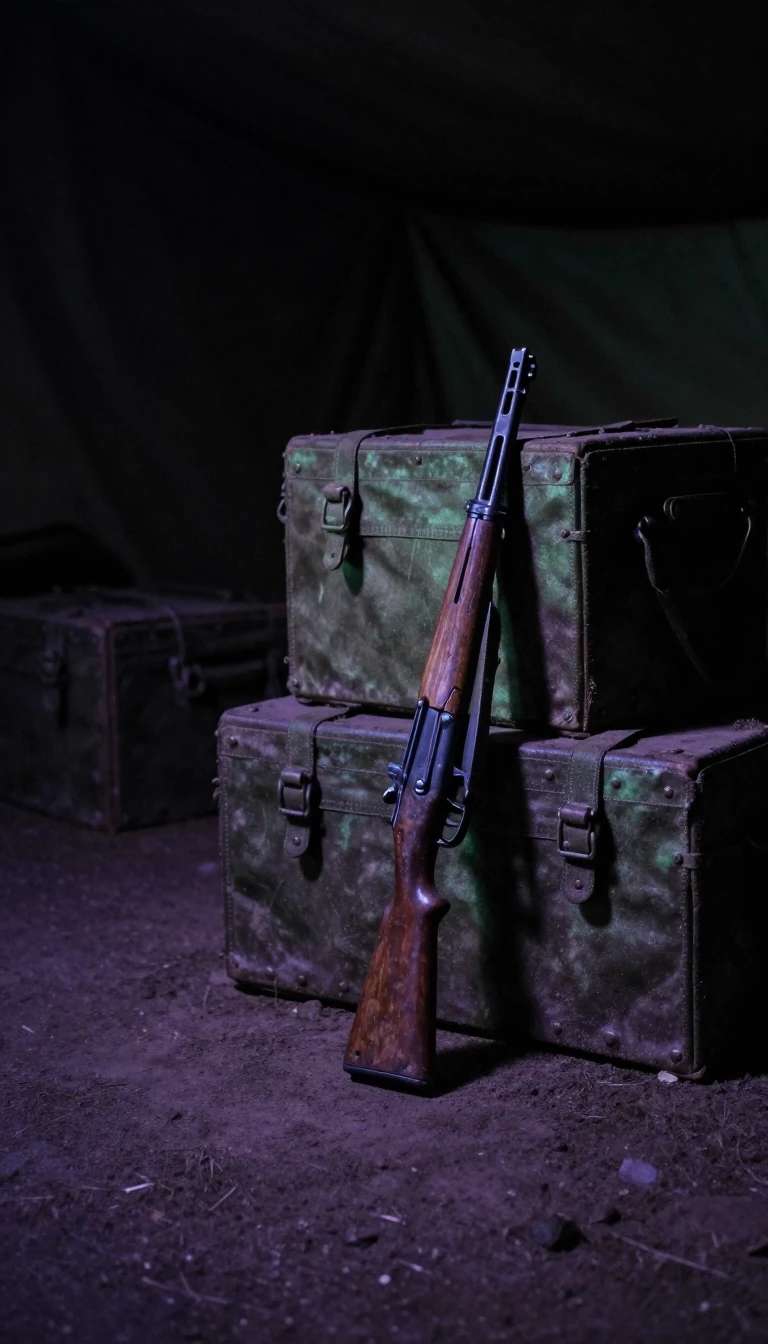
In short: In the world of firearms, a bullpup is defined by its geometry: the grip sits in front of the breech. This layout creates a compact weapon that retains a long barrel, offering high velocity in a maneuverable frame. But its name comes from a 19th-century English nickname for a specific breed of dog.
The bullpup configuration places the action mechanism and magazine behind the trigger, effectively making the receiver serve as the buttstock. This technical shift allows for a significantly shorter overall weapon length without sacrificing barrel length. By preserving the barrel, engineers ensure the weapon maintains its muzzle velocity, range, and ballistic effectiveness while becoming more maneuverable in tight spaces. Additionally, the center of mass is shifted closer to the shooter's core, reducing torque and making the weapon kinematically more comfortable to handle while running.
The term 'bullpup' has a murky history. While it was used to describe a target pistol in 1957, research by British expert Jonathan Ferguson suggests the name originated in the 1930s. It was an analogy to 'bullpup' puppies—a colloquial term in England during the late 19th and early 20th centuries for dogs considered 'squat, ugly but still aggressive and powerful.' While the original canine meaning has faded, the name persists as a descriptor for the rifle's compact yet powerful profile.
Despite its advantages, the design presents unique engineering hurdles. Because the trigger is further from the action, it requires a longer linkage, often resulting in a stiffer, less precise trigger pull. Users also face proximity issues, as the face is closer to the action, potentially leading to noise irritation or gas exhaust. Furthermore, the design can complicate ambidextrous use; for example, some models like the British SA80 cannot change their ejection side at all, requiring specialized downward or forward ejection mechanisms to accommodate different shooters.
The path to adoption was long. While tested as early as 1901, the Austrian Steyr AUG became the first major military success in 1977. Since then, it has been adopted by over twenty countries. Other notable examples include the French FAMAS, the Israeli IWI Tavor, and the Chinese QBZ-95. These weapons represent a shift toward modularity and polymer use, balancing the need for high-firepower rifles with the practicalities of modern, compact warfare.
Opens the Intellect+ feed with this card first. Swipe up for the next one.
Sources
- Summary by Intellect · source: Bullpup
To cite this card, link to https://intellectplus.co.uk/app/history-bullpup.
How we source, check and correct cards: Editorial standards.
General information, not professional advice. Spotted an error? Flag the card or see corrections and complaints.
Intellect Plus is a visual educational discovery platform for exploring fascinating facts and ideas. Brain Food, Not Brain Rot. What is Intellect Plus?
Related
More in Modern · More in History · Latest · A–Z · All topics
