Why the British burned Washington in 1814 and the storm that followed
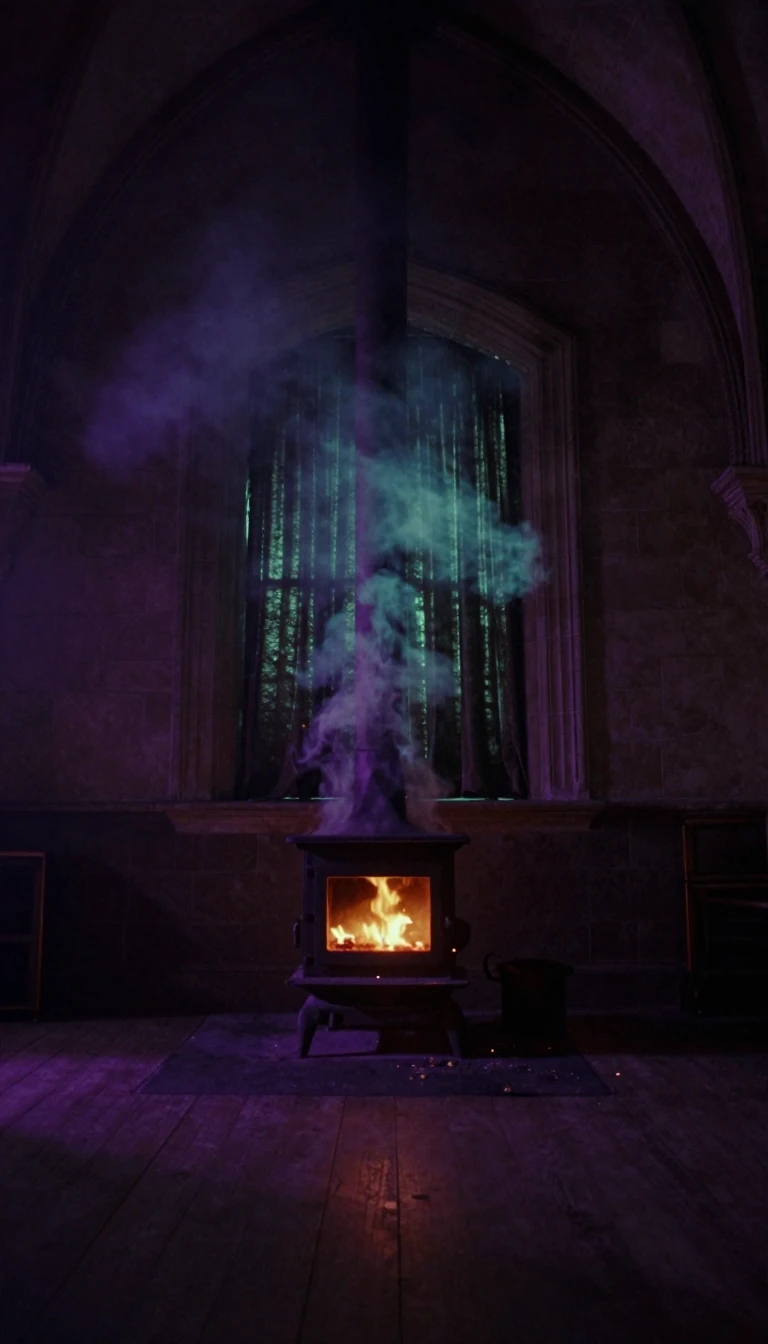
In short: On August 24, 1814, British forces captured Washington, D.C., setting fire to the White House and the Capitol. While often remembered as a singular act of aggression, the event was a calculated retaliation for American destruction in Canada, cut short by a violent, freakish storm that battered the city.
The Burning of Washington was a strategic maneuver during the War of 1812, orchestrated by Rear Admiral George Cockburn and Vice-Admiral Alexander Cochrane. Following the defeat of Napoleon in April 1814, Britain redirected military resources from Europe to North America. The operation was explicitly framed as retaliation for American actions in Upper Canada, specifically the 1813 burning of York and the destruction of private property at Port Dover. Major-General Robert Ross, who led the 4,500-man British force, initially hoped for an orderly surrender, but after American soldiers fired on his troops under a flag of truce, he ordered the destruction of public buildings.
The occupation lasted only 26 hours. During this time, the British sacked the Capitol and set fire to the White House, the Treasury, and the Department of War. Interestingly, the Patent Office was spared due to the intervention of architect William Thornton. The destruction was halted by a sudden, intense thunderstorm—possibly a hurricane—that extinguished the fires but also caused further damage, including a tornado that killed both British soldiers and American civilians. This weather event, dubbed the 'Storm that saved Washington,' is debated by historians; some argue the British never intended to hold the city long-term, regardless of the weather.
The aftermath sparked intense debate on both sides of the Atlantic. Many Americans viewed the event as a national humiliation, though Thomas Jefferson argued it served to expose British 'vandalism' to the world. Conversely, British commentators and officials, including John Strachan, defended the act as a just response to American conduct in Canada. Within the United States, the burning triggered a brief movement to relocate the capital, with figures like Daniel Webster suggesting a return to Philadelphia. However, President James Madison successfully lobbied to keep the seat of government in Washington, and the House of Representatives ultimately rejected relocation by a vote of 83 to 54.
Opens the Intellect+ feed with this card first. Swipe up for the next one.
Sources
- Summary by Intellect · source: Burning of Washington
To cite this card, link to https://intellectplus.co.uk/app/history-burning-of-washington.
How we source, check and correct cards: Editorial standards.
General information, not professional advice. Spotted an error? Flag the card or see corrections and complaints.
Intellect Plus is a visual educational discovery platform for exploring fascinating facts and ideas. Brain Food, Not Brain Rot. What is Intellect Plus?
Related
More in UK & Ireland: history · More in History · Latest · A–Z · All topics
