Was the First World War an inevitable collision of empires or a diplomatic failure?
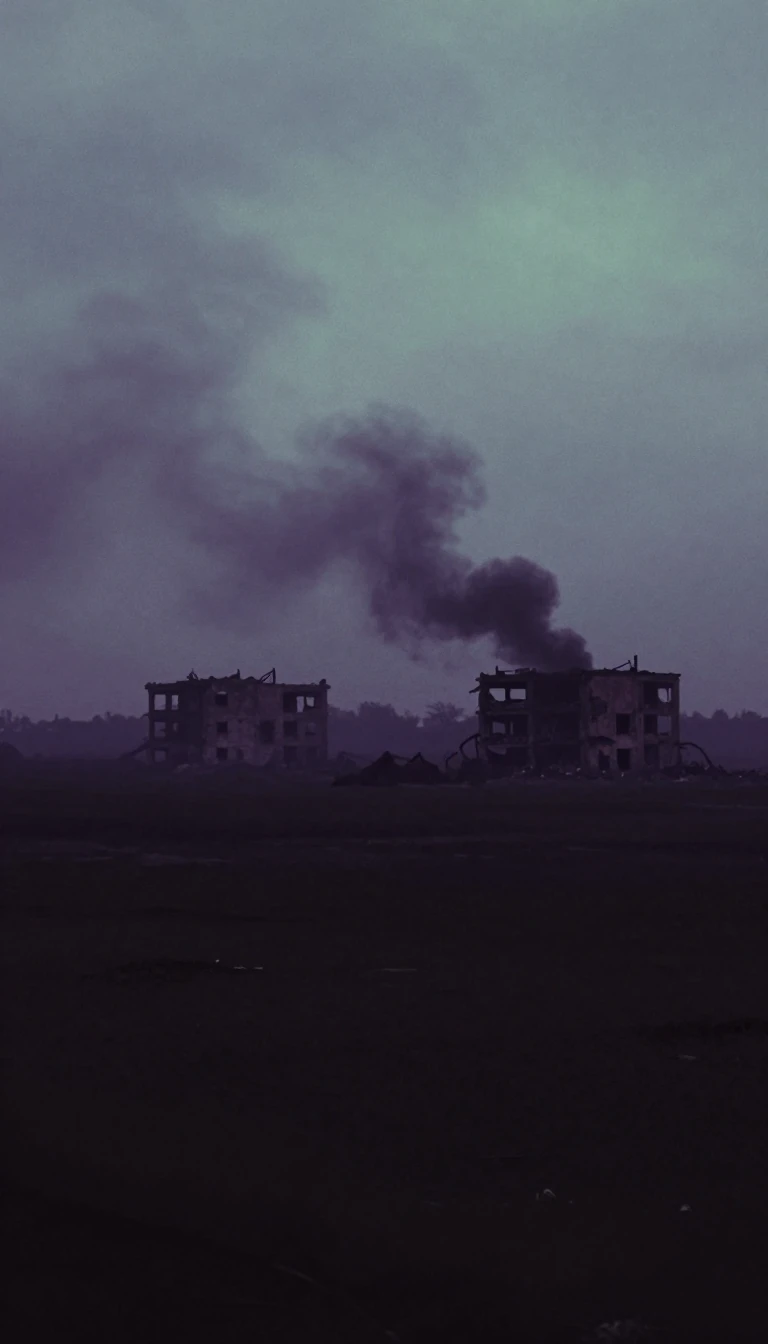
In short: The Great War left 17 million dead and 25 million wounded, yet historians still debate its origins. Was it the result of long-term structural tensions, like the decline of the Ottoman Empire and complex alliances, or did a series of miscalculations during the 1914 July Crisis trigger an avoidable catastrophe?
The origins of World War I are often traced back to the shifting balance of power in Europe following 1867. By 1914, the continent had coalesced into two rival camps: the German and Austro-Hungarian empires against the Russian, French, and British empires. This alignment was not static; it evolved through decades of colonial competition, arms races, and diplomatic maneuvers. The collapse of the Reinsurance Treaty in 1890, followed by the formation of the Triple Entente between 1904 and 1907, created a system where minor regional disputes could rapidly escalate into continental conflicts.
The assassination of Archduke Franz Ferdinand on 28 June 1914 served as the immediate catalyst. For Austria-Hungary, the act was an existential threat, providing a casus belli against Serbia. However, the subsequent slide into war was fueled by deeper structural factors: the perceived breakdown of the European balance of power, the growth of nationalism, and a fatalistic belief among governing classes that war was inevitable. Diplomatic communication failures and misperceptions of intent—such as Germany’s incorrect assumption that Britain would remain neutral—accelerated the crisis.
Historians remain deeply divided on the primary drivers of the conflict. Some argue that Germany and Austria-Hungary deliberately pursued a war, while others emphasize the collective responsibility of all major powers. Secondary debates focus on whether the war was an unplanned outcome of high-stakes risk-taking or the culmination of long-standing military planning and security dilemmas. The conflict’s legacy was profound, as it not only reshaped the map of Europe but also set the stage for subsequent upheavals, including the Russian Civil War, which many scholars view as a direct continuation of the hostilities that began in 1914.
Opens the Intellect+ feed with this card first. Swipe up for the next one.
Sources
- Summary by Intellect · source: Causes of World War I
To cite this card, link to https://intellectplus.co.uk/app/history-causes-of-world-war-i.
How we source, check and correct cards: Editorial standards.
General information, not professional advice. Spotted an error? Flag the card or see corrections and complaints.
Intellect Plus is a visual educational discovery platform for exploring fascinating facts and ideas. Brain Food, Not Brain Rot. What is Intellect Plus?
Related
More in Modern · More in History · Latest · A–Z · All topics
