World War I transformed the battlefield into a laboratory for lethal chemical experimentation
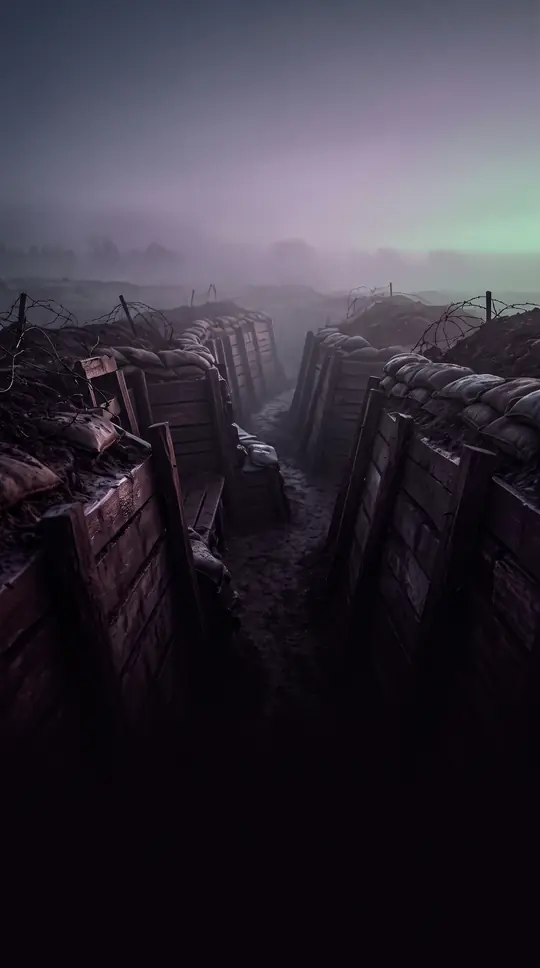
In short: During the first global war of the 20th century, major powers turned to chemical agents to break the stalemate of trench warfare. From tear-inducing irritants to deadly chlorine and mustard gas, this era of mass destruction fundamentally altered the nature of combat and spurred a desperate race for protective countermeasures.
The use of chemical weapons in World War I marked a grim evolution in total war. While tear gas was employed as early as August 1914, the first large-scale lethal attack occurred on 22 April 1915, when the German Army released 167 tons of chlorine gas near Ypres. This created an 8,000-yard gap in the Allied line, though German forces failed to fully exploit the breakthrough. The psychological impact of these invisible, drifting clouds was immense, earning the conflict the moniker of the chemist's war.
As the war progressed, combatants rapidly escalated their chemical capabilities. Chlorine, which required high concentrations to be fatal, was soon supplemented by phosgene—a deadlier, harder-to-detect agent that caused symptoms to manifest hours after exposure. By 1917, mustard gas was introduced. Unlike gaseous weapons, this oily liquid persisted on the battlefield for weeks, blistering skin and stripping mucous membranes. Despite the horror, gas never achieved a decisive strategic victory, as the development of gas masks and other countermeasures eventually blunted its effectiveness.
The human cost was staggering, with estimates reaching 90,000 fatalities and 1.3 million total casualties, though this represented only about 3–3.5% of overall war losses. The widespread use of these weapons violated the 1899 Hague Declaration and the 1907 Hague Convention, leading to a strong international repugnance. While the 1925 Geneva Protocol later prohibited state-to-state chemical warfare, the legacy of this period remains a defining example of how industrial advancement can be weaponized to create indiscriminate, mass-casualty environments.
Opens the Intellect+ feed with this card first. Swipe up for the next one.
Sources
- Summary by Intellect · source: Chemical weapons in World War I
To cite this card, link to https://intellectplus.co.uk/app/history-chemical-weapons-in-world-war-i.
How we source, check and correct cards: Editorial standards.
General information, not professional advice. Spotted an error? Flag the card or see corrections and complaints.
Intellect Plus is a visual educational discovery platform for exploring fascinating facts and ideas. Brain Food, Not Brain Rot. What is Intellect Plus?
Related
More in Early modern · More in History · Latest · A–Z · All topics
