The American Army's highest officer lacks the power to lead its troops
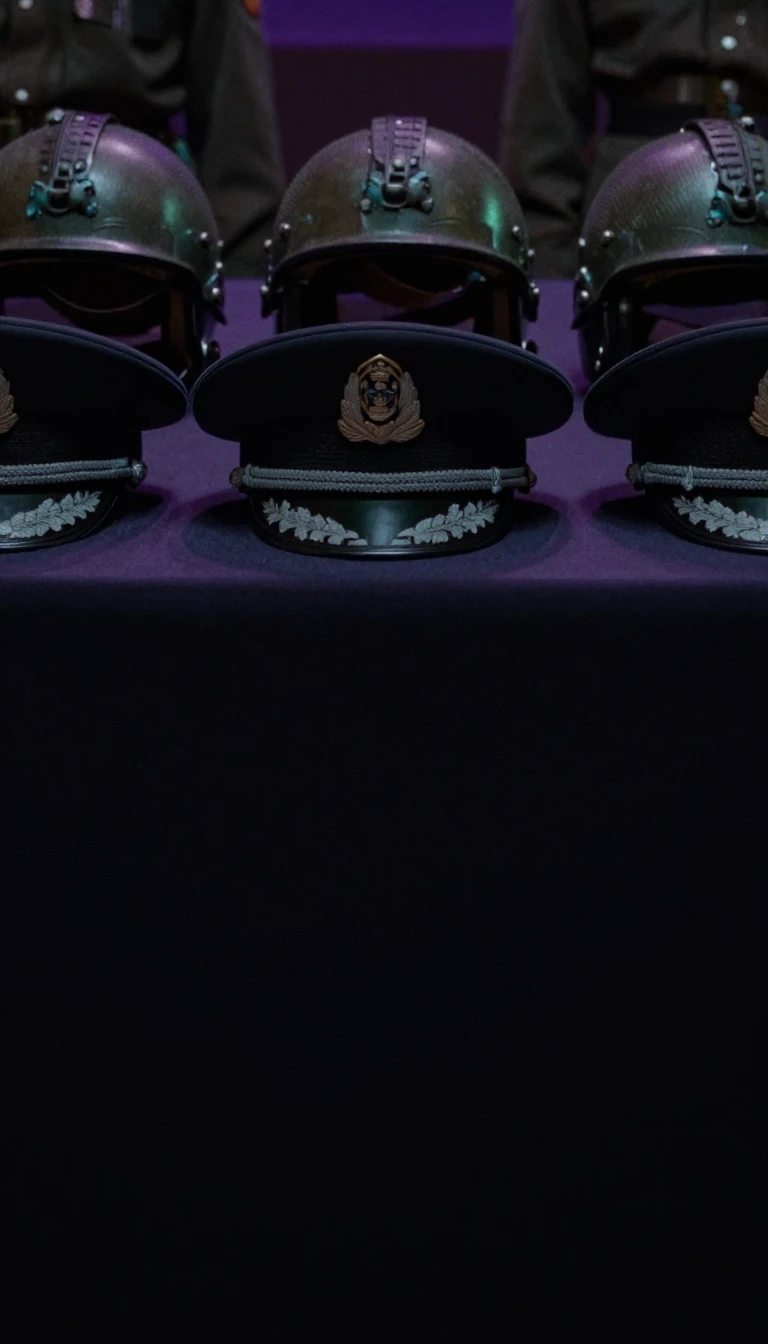
In short: In a counterintuitive twist of military governance, the Chief of Staff of the United States Army is the nation's top land commander but holds no operational command over active forces. This structural separation ensures that while they manage the institution, combat commanders retain the ultimate authority on the battlefield.
The role of the Chief of Staff of the Army (CSA) is defined by administrative and advisory functions rather than direct tactical leadership. Based in the Pentagon, the CSA serves as a deputy to the Secretary of the Army and acts as a primary military advisor to the President and the National Security Council. While they oversee army units and organizations as a designee of the Secretary of the Army, they do not possess operational command authority over forces proper.
This distinction is not a modern oversight but a deliberate structural choice dating back to the Department of Defense Reorganization Act of 1958. Under this framework, operational command belongs to combatant commanders who report directly to the Secretary of Defense. The CSA instead focuses on 'big picture' logistics: presenting and enforcing army policies, directing inspections via the Inspector General, and designating personnel and resources for unified combatant commands.
The evolution of this office reflects a shift toward civilian-led military management. In the 19th century, titles like 'General-in-Chief' were held by figures such as Winfield Scott and Ulysses S. Grant. However, the modern CSA position was shaped by early 20th-century reorganizations. For instance, in 1864, Major General Henry Halleck served as Chief of Staff under Grant, but notably occupied a different office from the senior officer who remained in the field.
Today, the CSA is a four-star general nominated by the president and confirmed by the Senate for a four-year term. The position represents a balance of power where the military's highest-ranking active-duty officer provides the strategic backbone for the Department of the Army while remaining subordinate to civilian leadership in the hierarchy of national defense.
Opens the Intellect+ feed with this card first. Swipe up for the next one.
Sources
- Summary by Intellect · source: Chief of Staff of the United States Army
To cite this card, link to https://intellectplus.co.uk/app/history-chief-of-staff-of-the-united-states-army.
How we source, check and correct cards: Editorial standards.
General information, not professional advice. Spotted an error? Flag the card or see corrections and complaints.
Intellect Plus is a visual educational discovery platform for exploring fascinating facts and ideas. Brain Food, Not Brain Rot. What is Intellect Plus?
Related
More in Modern · More in History · Latest · A–Z · All topics
