The Communist Party of the Soviet Union: A Century of Power and Paradox
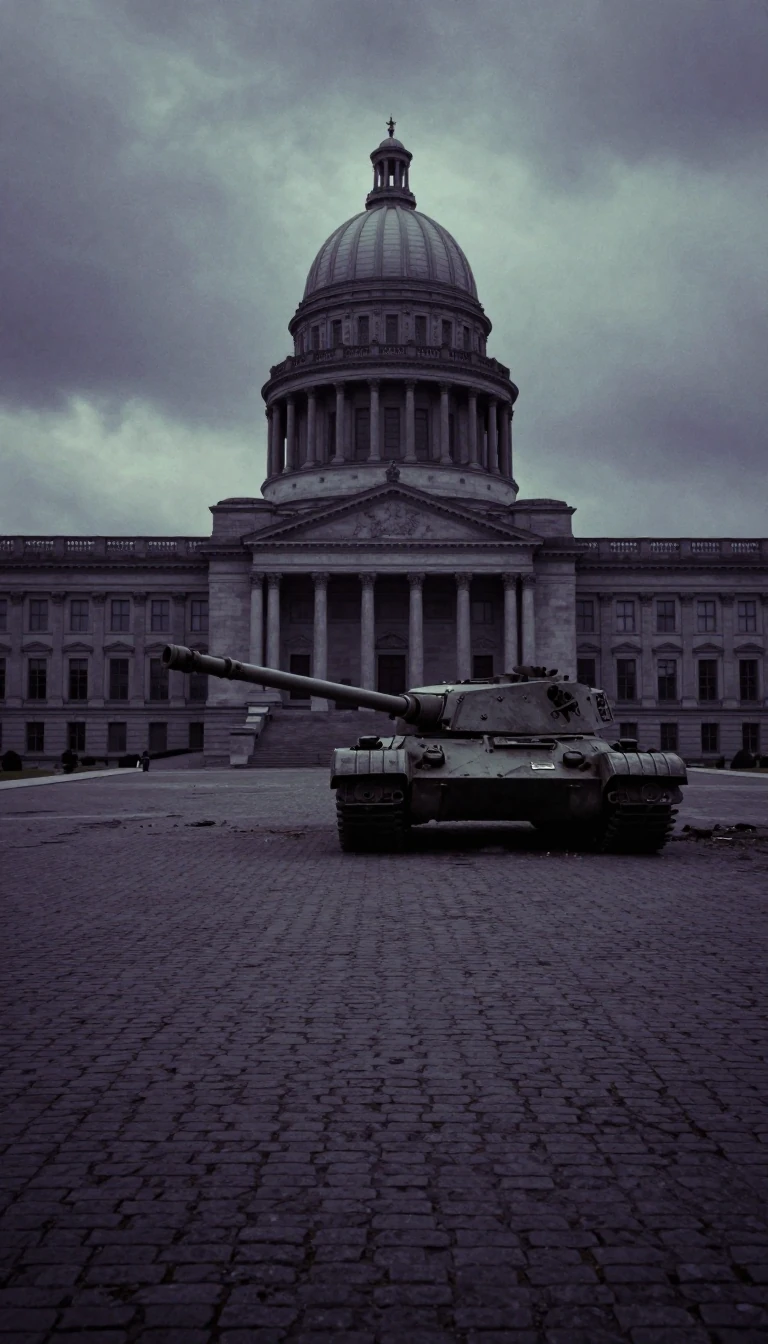
In short: Born from a 1903 factional split, the Communist Party of the Soviet Union evolved from an underground revolutionary group into the sole governing force of a superpower. For nearly seven decades, it dictated the trajectory of a nation, only to collapse under the weight of internal reform and economic stagnation.
The party originated in 1898 within the Russian Social Democratic Labour Party, but its definitive character emerged in 1903 when Vladimir Lenin led the Bolshevik faction. Following the 1917 October Revolution, the Bolsheviks seized control, eventually establishing the Soviet Union in 1922. Under Lenin, the party initially adopted the New Economic Policy, a pragmatic blend of capitalist practices designed to stabilize an underdeveloped economy. However, after Joseph Stalin consolidated power in 1929, he formalized Marxism–Leninism as the state's rigid guiding ideology, mandating state socialism, nationalized industry, and a centralized command economy.
Governance was defined by democratic centralism, a principle requiring open internal debate followed by absolute unity once policy was set. While the Party Congress was theoretically the highest body, real power resided in the Politburo and the General Secretary. This structure facilitated massive shifts in national direction, from the rapid industrialization of the 1928 five-year plans to the brutal repression of the Great Purge in the 1930s. The party's influence extended globally, shaping the Cold War through proxy conflicts and the establishment of the Cominform in 1947, even as internal tensions like the Tito–Stalin split signaled growing sectarian divisions.
By the 1980s, the party faced severe economic inefficiencies and waning public faith. Mikhail Gorbachev, assuming leadership in 1985, attempted to revitalize the system through perestroika and glasnost. These reforms, intended to introduce market mechanisms and political openness, inadvertently accelerated the party's decline. Following a failed 1991 coup by conservative hardliners, the party was suspended on 29 August 1991 and officially outlawed by Boris Yeltsin on 6 November 1991. The dissolution of the Soviet Union followed, marking the end of the party's monopoly on power, though its legacy persists through successor organizations like the Communist Party of the Russian Federation.
Opens the Intellect+ feed with this card first. Swipe up for the next one.
Sources
- Summary by Intellect · source: Communist Party of the Soviet Union
To cite this card, link to https://intellectplus.co.uk/app/history-communist-party-of-the-soviet-union.
How we source, check and correct cards: Editorial standards.
General information, not professional advice. Spotted an error? Flag the card or see corrections and complaints.
Intellect Plus is a visual educational discovery platform for exploring fascinating facts and ideas. Brain Food, Not Brain Rot. What is Intellect Plus?
Related
More in History by subject matter · More in History · Latest · A–Z · All topics
