From Italian mercenaries to modern squads, the corporal remains the military's essential backbone.
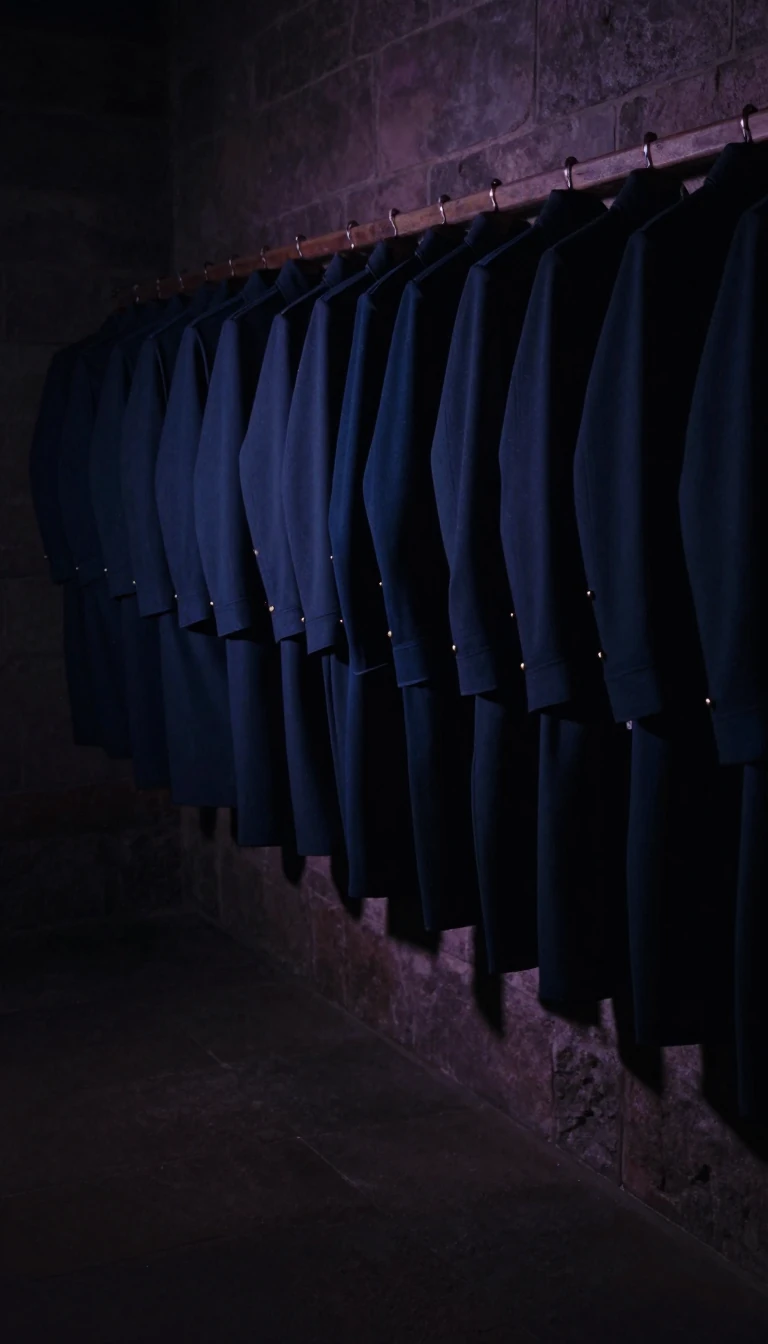
In short: Derived from the Italian phrase for head of a body, the corporal rank has evolved into a global standard for small-unit leadership. While its specific duties and prestige vary wildly between nations, it remains the primary bridge between command and the soldiers on the ground.
The term corporal traces its origins to the medieval Italian concept of a capo corporale, or head of a body of soldiers. Historically, this rank served as the foundational level of non-commissioned leadership. In the 17th century, Poland adopted the rank through Italian mercenaries, where a kapral led small groups of musketeers or pikemen. Similarly, the Russian Army utilized the rank from 1647 until 1798, when it was eventually replaced by the German-derived term for sub-officer.
Today, the rank's function is far from uniform. In the Australian Army, a corporal typically commands a section of 7 to 14 soldiers, while in the Canadian Armed Forces, the rank was significantly downgraded following 1967 unification, shifting responsibilities that were once held by corporals to modern sergeants. In some nations, such as France, corporals are classified as enlisted personnel rather than non-commissioned officers. Conversely, in the New Zealand Defence Force, the rank carries significant authority, including the legal power to arrest subordinates who ignore orders.
Modern militaries continue to refine the role to suit contemporary needs. The German Bundeswehr, for example, reintroduced the rank of Korporal in 2021 as a senior enlisted grade. Meanwhile, the Israeli Defense Forces determine rank progression primarily through time in service, with conscripts typically reaching the corporal level after 4 to 12 months. Whether acting as a section commander or a technical specialist, the corporal remains the lowest rank officially authorized to issue binding military commands in many jurisdictions, serving as the critical link between senior leadership and junior troops.
Opens the Intellect+ feed with this card first. Swipe up for the next one.
Sources
- Summary by Intellect · source: Corporal
To cite this card, link to https://intellectplus.co.uk/app/history-corporal.
How we source, check and correct cards: Editorial standards.
General information, not professional advice. Spotted an error? Flag the card or see corrections and complaints.
Intellect Plus is a visual educational discovery platform for exploring fascinating facts and ideas. Brain Food, Not Brain Rot. What is Intellect Plus?
Related
More in Modern · More in History · Latest · A–Z · All topics
