India is seeking to nearly double its maritime territory through science
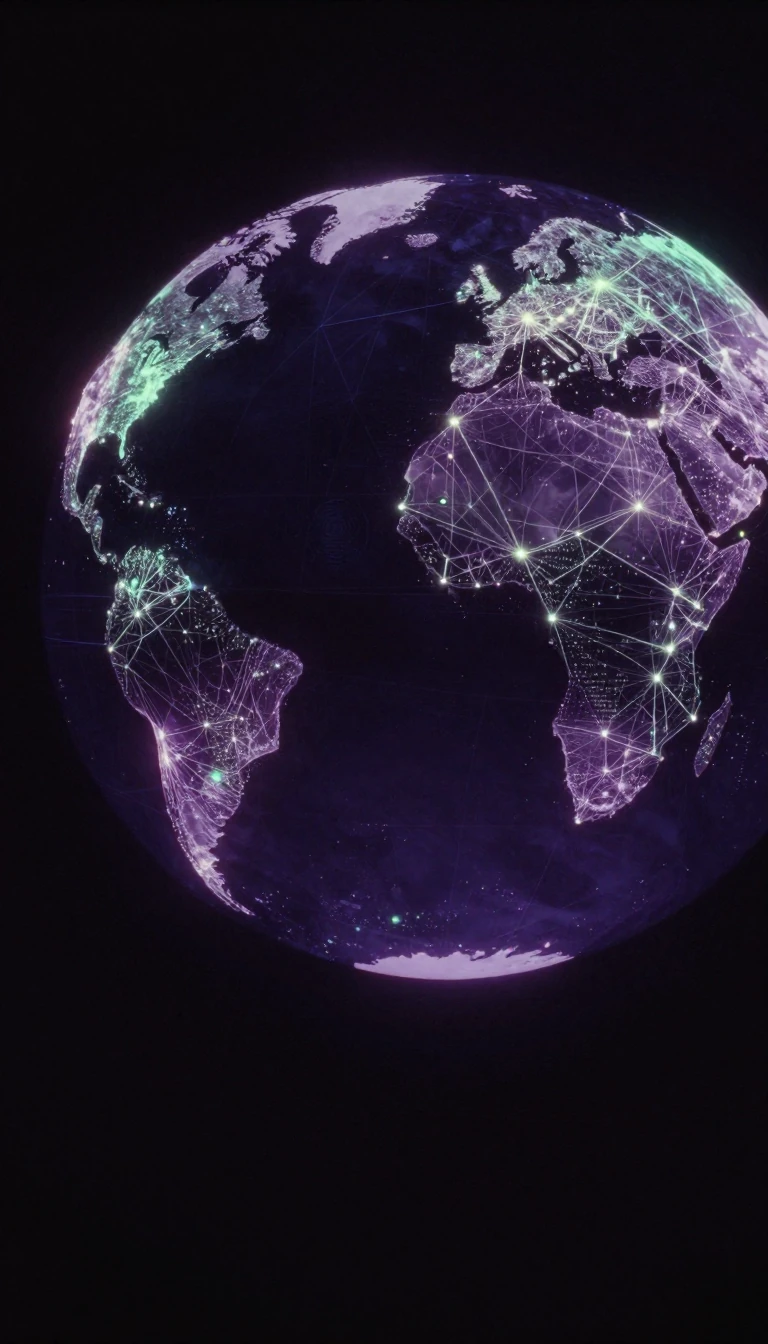
In short: India currently holds the 18th-largest exclusive economic zone in the world, but it is moving to expand its reach significantly. By leveraging new geological data, the nation aims to secure vast seabed resources, potentially bringing its maritime jurisdiction to a size nearly equal to its total landmass.
India's Exclusive Economic Zone (EEZ) currently covers 2,305,143 km2, providing the nation with sovereign rights over oil, natural gas, minerals, and commercial fishing. While the standard international limit is 200 nautical miles, India has petitioned the United Nations to extend this to 350 nautical miles. This expansion is based on scientific evidence from the National Centre for Polar and Ocean Research (NCPOR) suggesting that the seabed is a natural prolongation of the Indian landmass.
The path to this expansion has been complex. The Convention on the Continental Shelf (CLCS) turned down a 2009 Indian submission during March 2023, mainly because Pakistan raised concerns over the Sir Creek region. In response, India submitted revised partial claims in April 2025. By splitting the submission to isolate uncontested areas from the disputed Sir Creek zone, India hopes to secure a significant portion of the Central Arabian Sea.
If successful, these claims—alongside an additional 300,000 km2 in the Bay of Bengal—could grant India control over roughly 3.2 million km2 of seabed. This maritime strategy is not just about territory; it is a matter of national security and resource management. The Indian Coast Guard and the integrated Andaman and Nicobar Command monitor these waters to combat piracy, illegal poaching, and transgressions by foreign vessels. Furthermore, the Ministry of Earth Sciences has been mapping these zones since 1999 to prepare for environmental hazards and identify polymetallic nodules and hydrocarbons. Despite the vast potential, a 2014 study noted that India currently exploits only 3.2 million tonnes of marine fishery resources out of a potential 3.92 million tonnes in its coastal areas.
Opens the Intellect+ feed with this card first. Swipe up for the next one.
Sources
- Summary by Intellect · source: Exclusive economic zone of India
To cite this card, link to https://intellectplus.co.uk/app/history-exclusive-economic-zone-of-india.
How we source, check and correct cards: Editorial standards.
General information, not professional advice. Spotted an error? Flag the card or see corrections and complaints.
Intellect Plus is a visual educational discovery platform for exploring fascinating facts and ideas. Brain Food, Not Brain Rot. What is Intellect Plus?
Related
More in India · More in History · Latest · A–Z · All topics
