Is the film score a modern art form or a mechanical necessity?
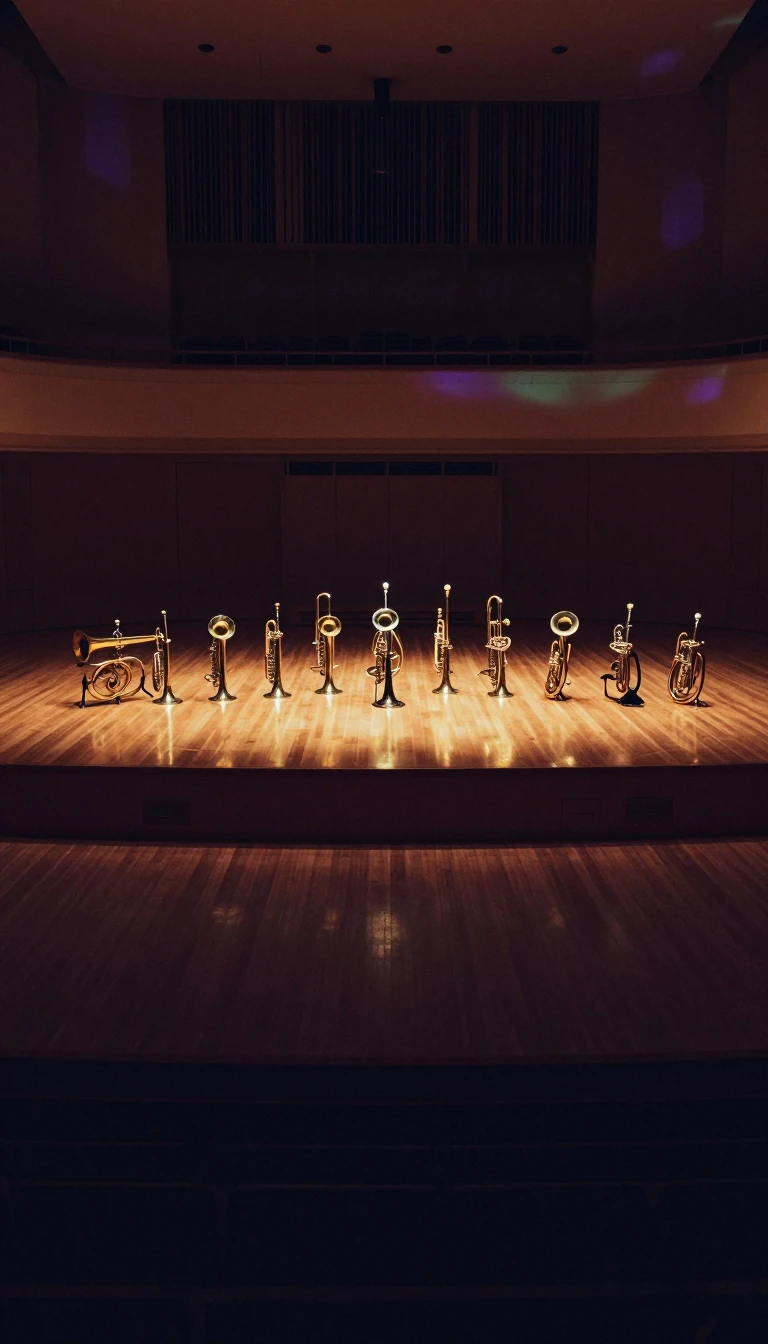
In short: Film music is often dismissed as mere background, yet it is a complex craft of precise timing and emotional engineering. From the early days of drowning out projector noise to the sophisticated leitmotifs of modern blockbusters, the score remains a vital, though frequently debated, pillar of the cinematic experience.
The origins of film music are a subject of historical debate. While some scholars, such as Kurt London, suggest that music was initially a pragmatic solution to mask the loud, distracting noise of early projectors, others like James Wierzbicki argue that music was a natural extension of the social atmosphere found in vaudeville theaters. Regardless of its inception, the practice evolved rapidly, moving from improvised piano accompaniment to full-scale orchestral compositions.
The creative process, known as spotting, involves the composer and director meticulously timing cues to match specific moments on screen. This technical precision is often achieved using SMPTE timecode or 'click tracks'—a series of rhythmic pulses that guide musicians to ensure the music aligns perfectly with the film's visual beats. In some cases, directors like Edgar Wright or Sergio Leone have even edited their films to match a pre-composed score, reversing the traditional workflow.
Modern film scoring is a hybrid discipline. While many composers still rely on traditional orchestras, digital technology has introduced synthesizers, samplers, and MIDI controllers, allowing composers to create entire scores independently. Despite this technical evolution, the core goal remains the same: to enhance the narrative. Techniques like the leitmotif—recurring musical themes for characters or ideas—remain central to the craft, famously utilized by composers like John Williams to create deep emotional associations for audiences.
The artistic status of film music remains contentious. Critics often debate whether it constitutes a legitimate branch of classical music or if it is inherently derivative. However, as major orchestras increasingly perform film scores, and composers like Marcus Paus praise the avant-garde techniques embedded within popular soundtracks, the genre is slowly gaining recognition as a significant, if populist, contribution to the musical canon of the 20th and 21st centuries.
Opens the Intellect+ feed with this card first. Swipe up for the next one.
Sources
- Summary by Intellect · source: Film score
To cite this card, link to https://intellectplus.co.uk/app/history-film-score.
How we source, check and correct cards: Editorial standards.
General information, not professional advice. Spotted an error? Flag the card or see corrections and complaints.
Intellect Plus is a visual educational discovery platform for exploring fascinating facts and ideas. Brain Food, Not Brain Rot. What is Intellect Plus?
Related
More in History by subject matter · More in History · Latest · A–Z · All topics
