How a Japanese naval officer became a deified national hero of the Russo-Japanese War
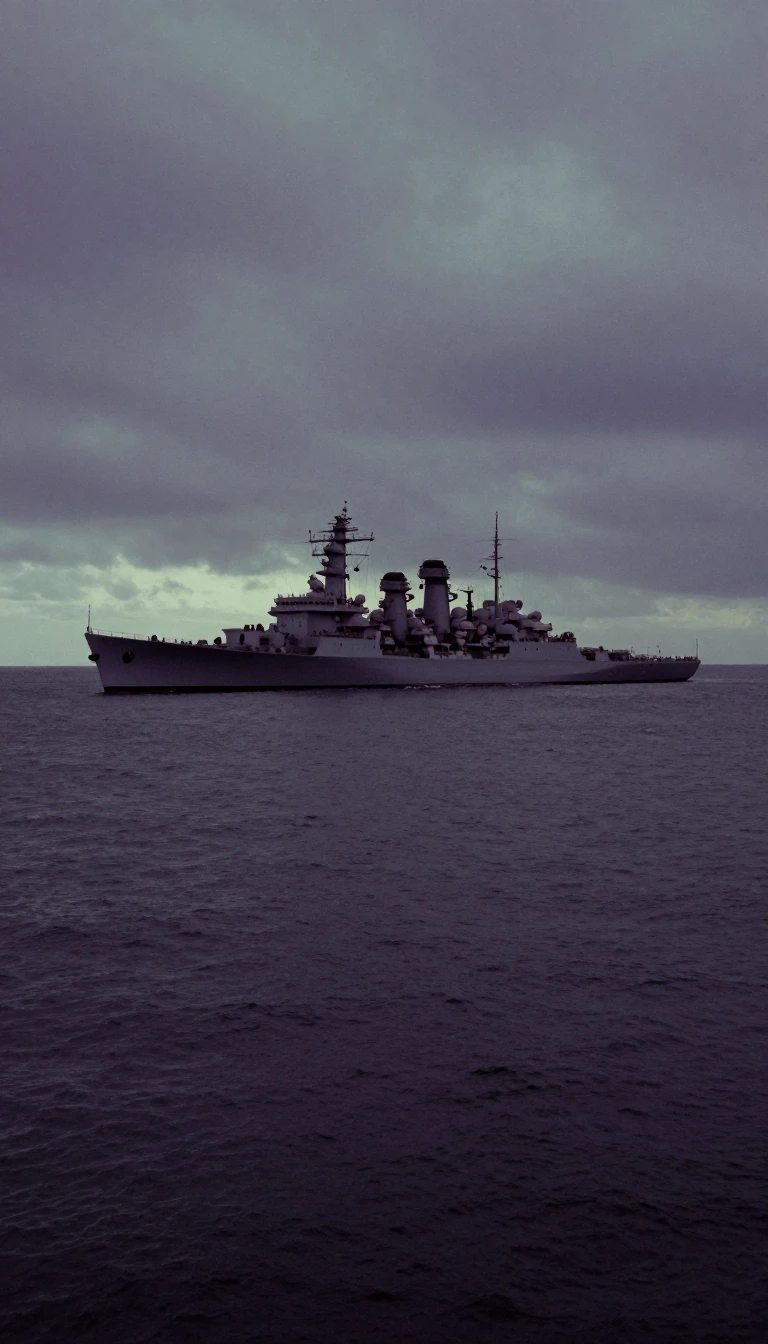
In short: Hirose Takeo was a career Imperial Japanese Navy officer whose final act of selflessness during the Battle of Port Arthur transformed him into a legendary figure. Beyond his military service, his story captures the intense cultural fervor of early 20th-century Japan, where he was elevated to a divine martial spirit.
Born in 1868 in Taketa, Hirose Takeo followed a path of disciplined service, graduating from the Imperial Japanese Naval Academy in 1889. His career spanned significant conflicts, including the First Sino-Japanese War, where he served on the ironclad Fusō during the Battle of Yalu River in 1894. His expertise was further refined during a multi-year residency in Russia, where he served as a military attaché in St. Petersburg from 1897 to 1902, gaining deep insight into the nation he would later fight.
The defining moment of his life occurred during the Russo-Japanese War in 1904. While assigned to the battleship Asahi, Hirose volunteered to command the Fukui Maru, an aging cargo vessel repurposed as a blockship. On the night of March 26, the mission to seal the entrance to Port Arthur turned fatal. As the ship approached the channel, it was struck by Russian artillery and a torpedo from the destroyer Silnyi. Hirose was killed while searching for his crew, choosing to remain with his sinking vessel.
His death triggered a profound national response. Posthumously promoted to commander, Hirose was deified as a gunshin, or martial spirit, a status he shared with the Army officer Tachibana Shūta. His legacy was cemented through state-sanctioned songs, shrines in his hometown, and a prominent statue in Tokyo that stood until 1947. Even decades later, his life remains a subject of cultural fascination, notably serving as a central narrative thread in Ryōtarō Shiba’s historical novel Saka no Ue no Kumo, which brought his story to a new generation through television adaptation.
Opens the Intellect+ feed with this card first. Swipe up for the next one.
Sources
- Summary by Intellect · source: Hirose Takeo
To cite this card, link to https://intellectplus.co.uk/app/history-hirose-takeo.
How we source, check and correct cards: Editorial standards.
General information, not professional advice. Spotted an error? Flag the card or see corrections and complaints.
Intellect Plus is a visual educational discovery platform for exploring fascinating facts and ideas. Brain Food, Not Brain Rot. What is Intellect Plus?
Related
More in Military leaders, personnel, and theorists · More in History · Latest · A–Z · All topics
