Afghanistan was the ancient world’s roundabout
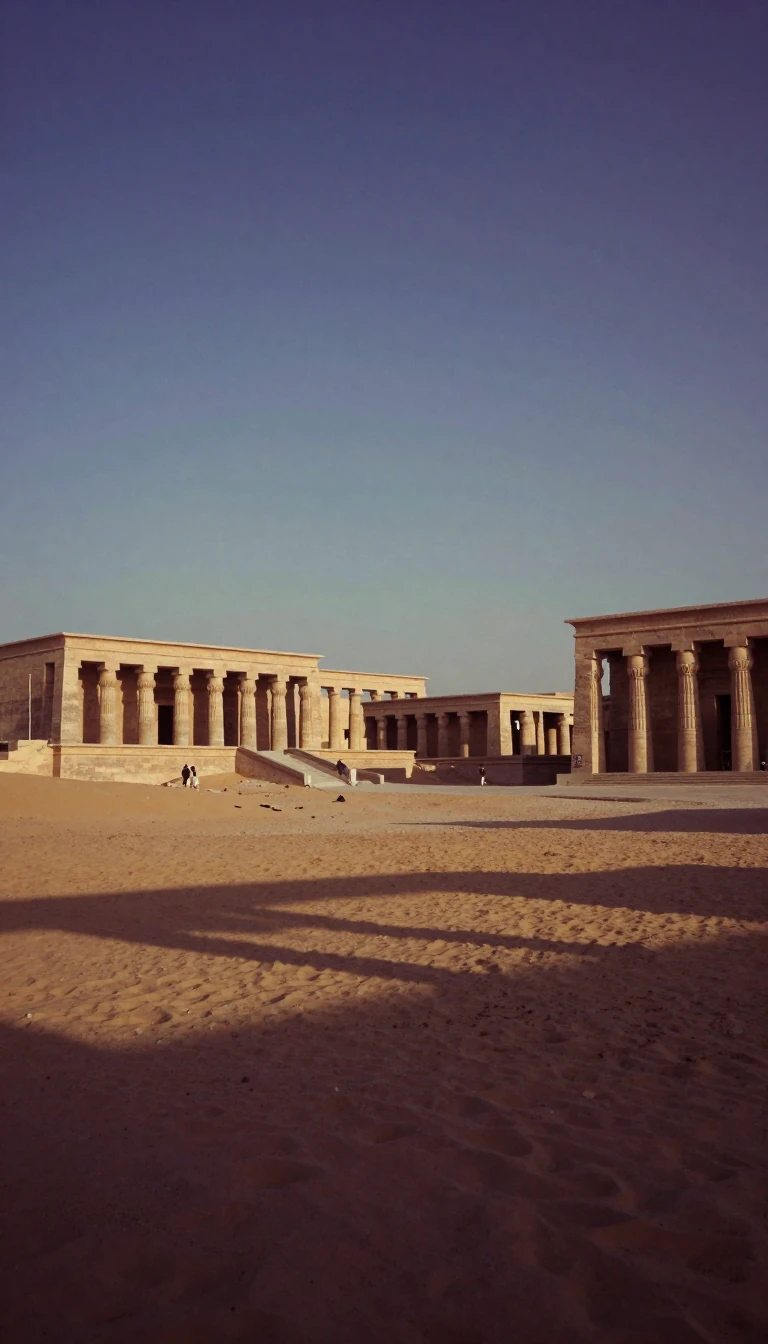
In short: On the Silk Road, this land sat where empires crossed. Paleolithic tools and a Neanderthal bone fragment suggest people here by about 52,000 years ago. Ahmad Shah Durrani’s 1747 empire is often called the modern nation’s foundation.
Human habitation in Afghanistan reaches the early Middle Paleolithic; Louis Dupree’s Darra-e Kur digs in 1966 recovered some 800 stone tools and a Neanderthal temporal-bone fragment, pointing to presence at least about 52,000 years ago. Kara Kamar cave yielded Upper Paleolithic blades carbon-dated around 34,000 years old. Farming communities ranked among the world’s earliest; urbanization may have begun as early as 3000–2000 BCE. Mundigak near Kandahar may belong to Helmand culture. An Indus Valley site at Shortugai on the Oxus marks the civilisation’s northern edge. The Bactria–Margiana complex flourished about 2200–1700 BCE; Balkh was founded roughly 2000–1500 BCE.
Achaemenid Persians under Darius I divided the region into satrapies including Aria (near Herat), Arachosia (Kandahar area), Bactria, and Gandhara. Alexander invaded in 330 BCE after Gaugamela, took Bactria between 329 and 327 BCE, married Roxana, fought Aspasioi and Assakenoi near Kabul, and founded Alexandrias at Herat, Kandahar, near Bagram, and farther north. Seleucus later ruled; Ai-Khanoum rose about 280 BCE under Antiochus. The land became a crossroads of Zoroastrianism, Buddhism, and later Islam as Persians, Mauryas, Arabs, Mongols, and Mughals passed through.
Ahmad Shah Durrani founded the Durrani Empire in 1747 and is credited as Father of the Nation. After his death in 1772 and Timur Shah’s in 1793, the realm splintered into Herat, Kandahar, Kabul and other principalities. Dost Mohammad Khan reunified much of it from 1823 to 1863 under the Emirate of Kabul. Afghanistan then buffered British India and Russia in the Great Game: Britain lost the First Anglo-Afghan War (1838–1842), won political influence in the Second (1878–1880), and Afghanistan emerged independent as a kingdom under Amanullah Khan in June 1926 after the Third War in 1919.
Opens the Intellect+ feed with this card first. Swipe up for the next one.
Sources
- Summary by Intellect · source: History of Afghanistan
To cite this card, link to https://intellectplus.co.uk/app/history-history-of-afghanistan.
How we source, check and correct cards: Editorial standards.
General information, not professional advice. Spotted an error? Flag the card or see corrections and complaints.
Intellect Plus is a visual educational discovery platform for exploring fascinating facts and ideas. Brain Food, Not Brain Rot. What is Intellect Plus?
Related
More in History by country · More in History · Latest · A–Z · All topics
