From a Russian fur outpost to the 49th state: the complex history of Alaska
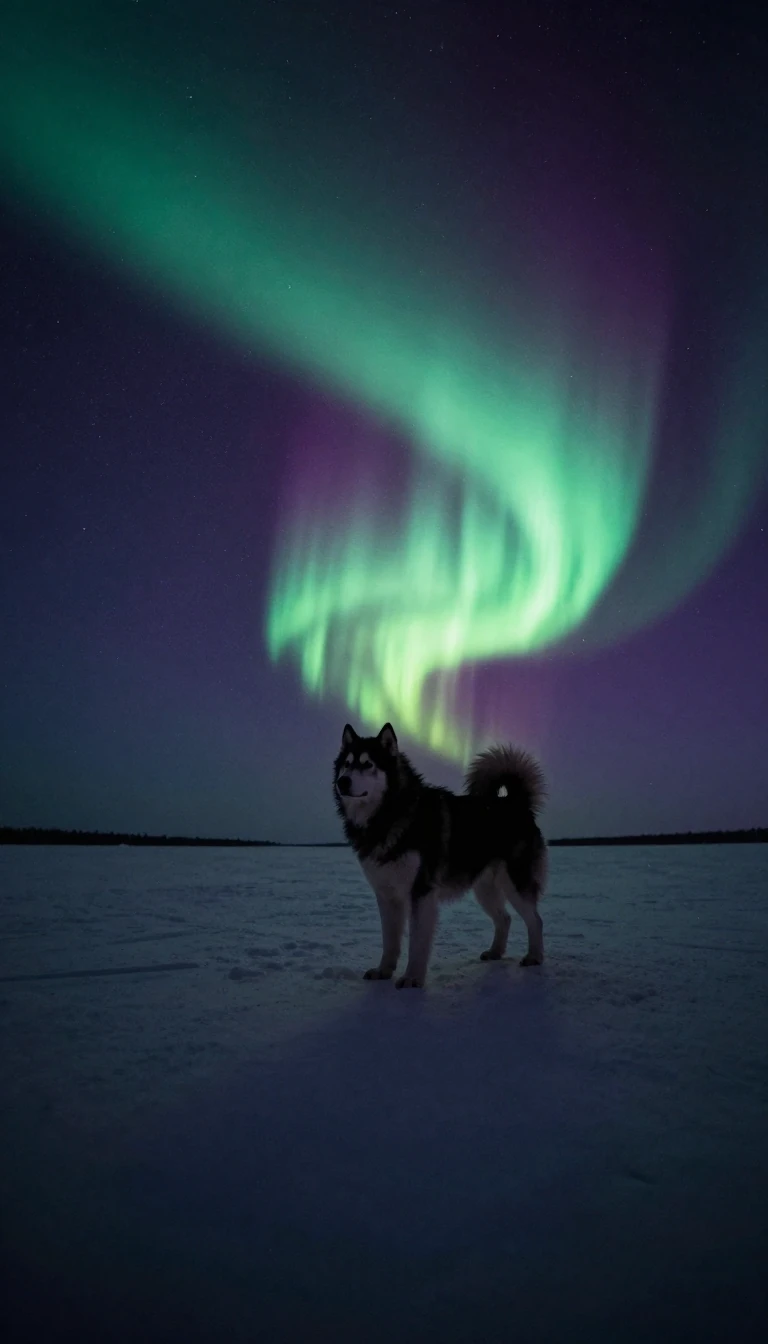
In short: Alaska is far more than a frozen frontier. Long before the United States purchased the territory for $7.2 million in 1867, it was a crossroads of Indigenous civilizations, Russian colonial ambition, and global gold rushes. Its transformation into a modern state reveals a history defined by resilience and rapid change.
Human presence in Alaska dates back roughly 15,000 years, when the first migrants crossed the Bering Land Bridge following herds of animals. Over millennia, diverse groups including the Tlingit, Haida, Athabaskans, and Aleuts established complex societies. By the 18th century, Russian explorers arrived, driven by the lucrative trade in sea otter furs. In 1784, the first permanent Russian settlement was established at Three Saints Bay on Kodiak Island. This era was marked by both trade and tragedy; Indigenous populations suffered significantly from introduced diseases and the harsh demands of the fur trade, though some communities integrated through marriage and conversion to the Russian Orthodox faith.
The Russian-American Company, chartered in 1799, eventually moved its headquarters to Sitka. This period saw the only major military confrontation between Alaska Natives and Europeans, occurring during the 1804 battle at Novo-Arkhangelsk. By the mid-19th century, the depletion of sea otters and the geopolitical pressures of the Crimean War led Russia to sell the territory. Secretary of State William H. Seward finalized the $7.2 million purchase in 1867, a deal critics mocked as 'Seward’s Folly' until the discovery of gold at sites like Juneau, Nome, and Fairbanks sparked massive migrations and economic interest.
The 20th century brought further upheaval and development. During World War II, Japanese forces invaded the Aleutian Islands of Attu and Kiska, leading to the construction of critical infrastructure like the Alaska Highway. Post-war years saw a push for civil rights, notably led by Elizabeth Peratrovich, whose advocacy helped pass the Anti-Discrimination Bill of 1945. Statehood followed in 1959, shortly before the devastating 1964 Good Friday earthquake. The subsequent discovery of oil at Prudhoe Bay in 1968 and the passage of the Alaska Native Claims Settlement Act in 1971 reshaped the state’s economy and legal landscape, balancing industrial development with the rights of its original inhabitants.
Opens the Intellect+ feed with this card first. Swipe up for the next one.
Sources
- Summary by Intellect · source: Alaska - Native Tribes, Arctic Wildlife, Glaciers | Britannica
- Also: Alaska
- Also: History of Alaska
To cite this card, link to https://intellectplus.co.uk/app/history-history-of-alaska.
How we source, check and correct cards: Editorial standards.
General information, not professional advice. Spotted an error? Flag the card or see corrections and complaints.
Intellect Plus is a visual educational discovery platform for exploring fascinating facts and ideas. Brain Food, Not Brain Rot. What is Intellect Plus?
Related
More in History by country, small region and city · More in History · Latest · A–Z · All topics
