Beyond the Indian Subcontinent: The Unique Evolution of Sri Lanka’s Ancient Island Identity
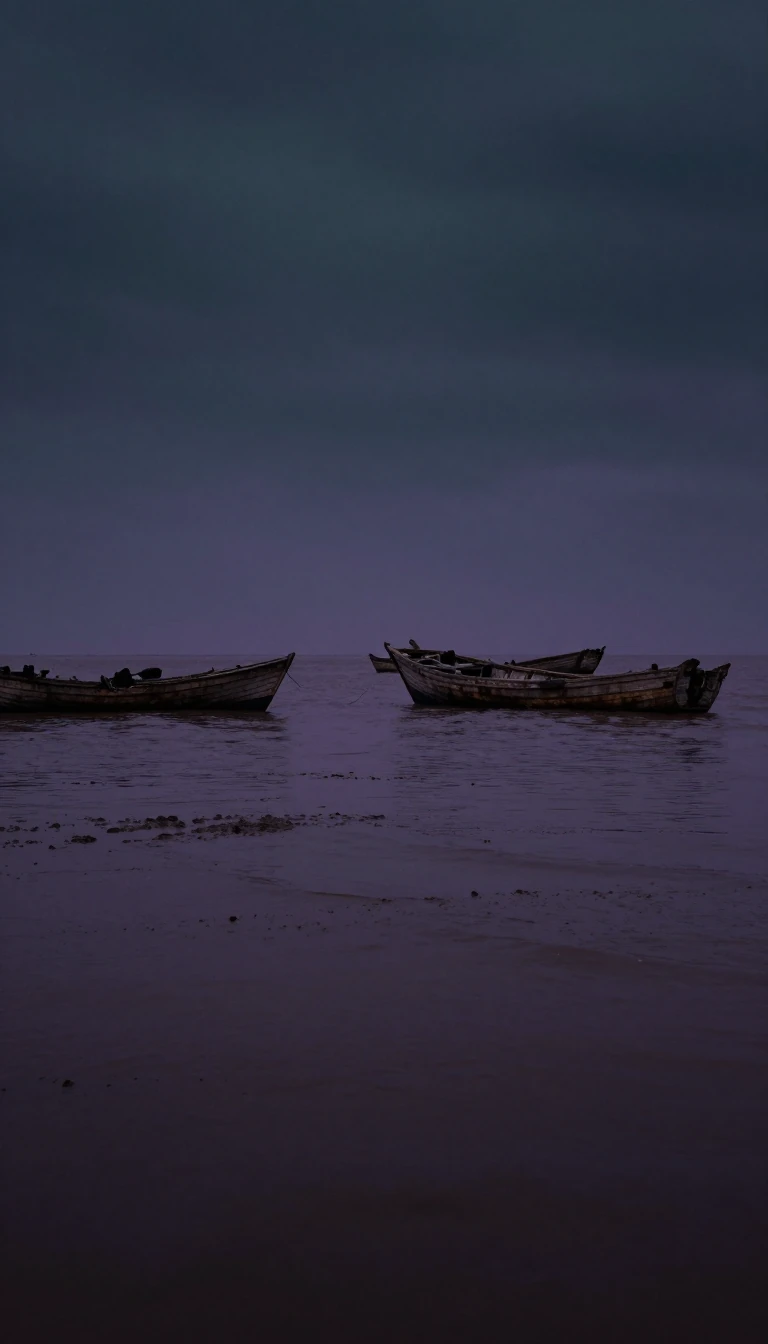
In short: Separated from India by the Palk Strait, Sri Lanka is more than a mere extension of its neighbor. While its culture, religion, and language share deep roots with the mainland, the island forged a distinct identity over millennia, flourishing as a vital nexus for maritime trade between East and West.
Geologically, Sri Lanka was once part of the Indian mainland, separating during the Miocene Epoch between 25 and 5 million years ago. Archaeological evidence reveals human habitation on the island dating back 75,000 to 125,000 years. These early Paleolithic occupants were hunter-gatherers who utilized rough stone tools, eventually transitioning to finer quartz and chert microliths by 28,000 years ago. By the 9th century BCE, inhabitants began experimenting with irrigation and food production, aided by iron tools from the continent.
The island’s historical narrative is deeply intertwined with the Indian subcontinent. The Sinhalese, speakers of Indo-Aryan languages, migrated from northern India around the 5th century BCE, while Tamil migrations from southern India occurred between the 3rd century BCE and 1200 CE. This influx brought Buddhism and Hinduism, which profoundly shaped the island's art, literature, and social structures. However, Sri Lanka’s physical isolation allowed these imported traits to evolve independently. For instance, while Buddhism largely faded in India, it remained a central, flourishing pillar of Sinhalese culture.
Sri Lanka’s strategic position at the crossroads of Indian Ocean trade routes made it a coveted prize for maritime powers. Long before European arrival, the island was known to sailors from Rome, China, Persia, and the Middle East. This commercial importance intensified with European colonization, which unified the island’s administrative experience with India’s. Following independence in 1948, the two nations’ social institutions and ideologies have continued to resonate closely, even as Sri Lanka maintains its unique, hard-won cultural sovereignty.
Opens the Intellect+ feed with this card first. Swipe up for the next one.
Sources
- Summary by Intellect · source: History of Sri Lanka | Summary, Culture, Civil War, & Facts | Britannica
- Also: History of Sri Lanka
To cite this card, link to https://intellectplus.co.uk/app/history-history-of-sri-lanka.
How we source, check and correct cards: Editorial standards.
General information, not professional advice. Spotted an error? Flag the card or see corrections and complaints.
Intellect Plus is a visual educational discovery platform for exploring fascinating facts and ideas. Brain Food, Not Brain Rot. What is Intellect Plus?
Related
More in History by country, small region and city · More in History · Latest · A–Z · All topics
