The Kong Empire was a commercial powerhouse that thrived on religious tolerance and trade.
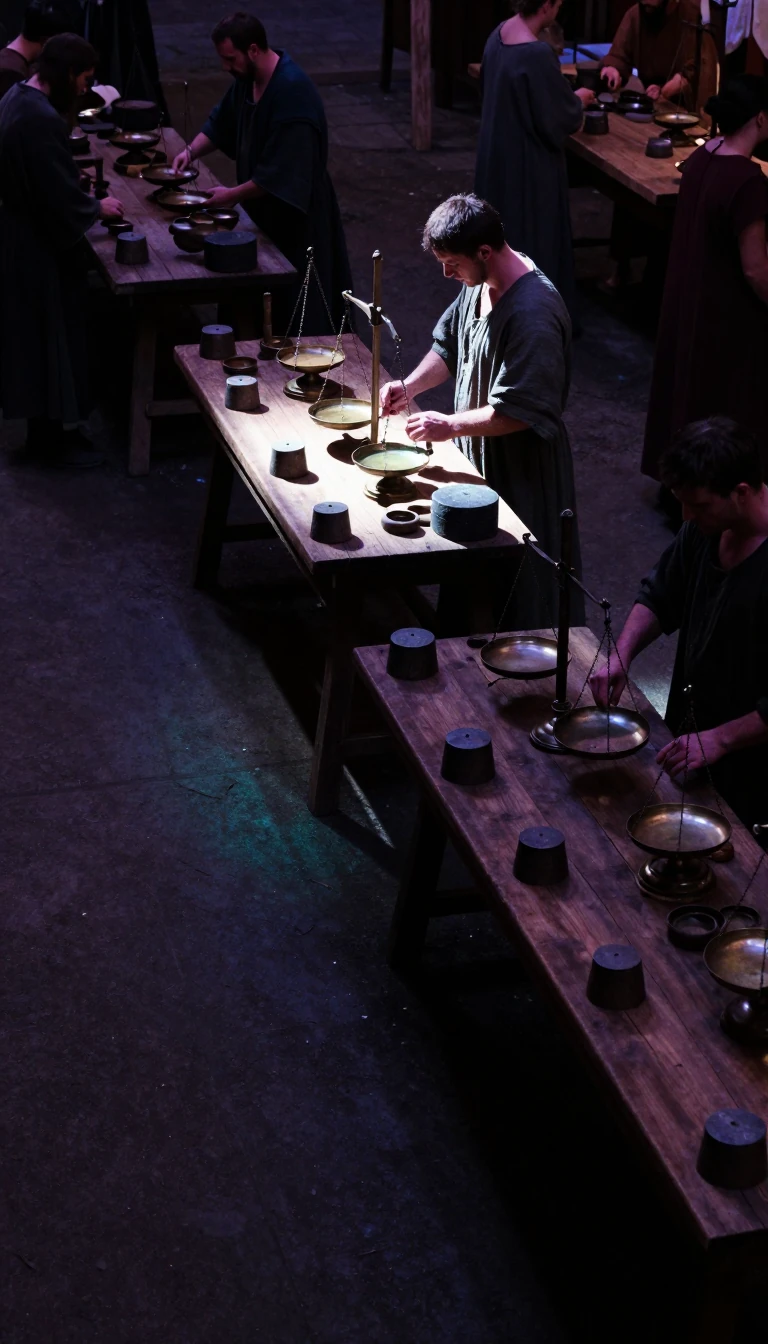
In short: Far from a typical centralized monarchy, the Kong Empire functioned as a decentralized network of merchant houses and warrior clans. By prioritizing the protection of trade routes over religious dogma, this West African state built a lasting legacy of wealth and cultural exchange that defied the patterns of its neighbors.
Founded in the early 1700s by Seku Watara, the Kong Empire emerged as a commercial hub in present-day Ivory Coast, Burkina Faso, Mali, and Ghana. Seku, a Dyula merchant and scholar, rose to power by uniting local leaders and deposing the existing ruler, Lasiri Gbambele. The empire was not a monolithic state but a decentralized constellation of fiefdoms governed by the Watara 'War-House.' These leaders, known as Sonanke, maintained control through a network of family, soldiers, and vassals, while local administration fell to military commanders called kuntigi.
The empire’s primary objective was the protection of trade routes, particularly those connecting the Niger River to southern goldfields and European coastal posts. This focus on commerce fostered a unique social structure where Mandé merchants and Senufo agriculturalists coexisted. Unlike the contemporary jihad states of West Africa, the Kong aristocracy did not derive legitimacy from Islam or implement Sharia. Instead, the state maintained a spirit of religious tolerance, with the ruling elite often following traditional Mande practices while Muslim scholars and clerics played influential, behind-the-scenes roles in the city of Kong.
The empire’s influence began to wane in the late 19th century as French colonial interests encroached on the region. In 1888, Louis Gustave Binger secured agreements with Kong’s leaders, inadvertently making the city a target for the expanding Samorian Empire. Following a period of political instability and failed resistance against French influence, the city was destroyed by Samory Touré in 1897 or 1898. Although the French later rebuilt the city, the empire’s decentralized structure could not survive the transition to colonial administration, marking the end of a state that had once been a vital center for gold and kola nut trade.
Opens the Intellect+ feed with this card first. Swipe up for the next one.
Sources
- Summary by Intellect · source: Kong Empire
- Also: Kong | historical kingdom, Africa | Britannica
To cite this card, link to https://intellectplus.co.uk/app/history-kong-empire.
How we source, check and correct cards: Editorial standards.
General information, not professional advice. Spotted an error? Flag the card or see corrections and complaints.
Intellect Plus is a visual educational discovery platform for exploring fascinating facts and ideas. Brain Food, Not Brain Rot. What is Intellect Plus?
Related
More in Early modern · More in History · Latest · A–Z · All topics
