Did a warmer climate allow Vikings to settle North America centuries before Columbus?
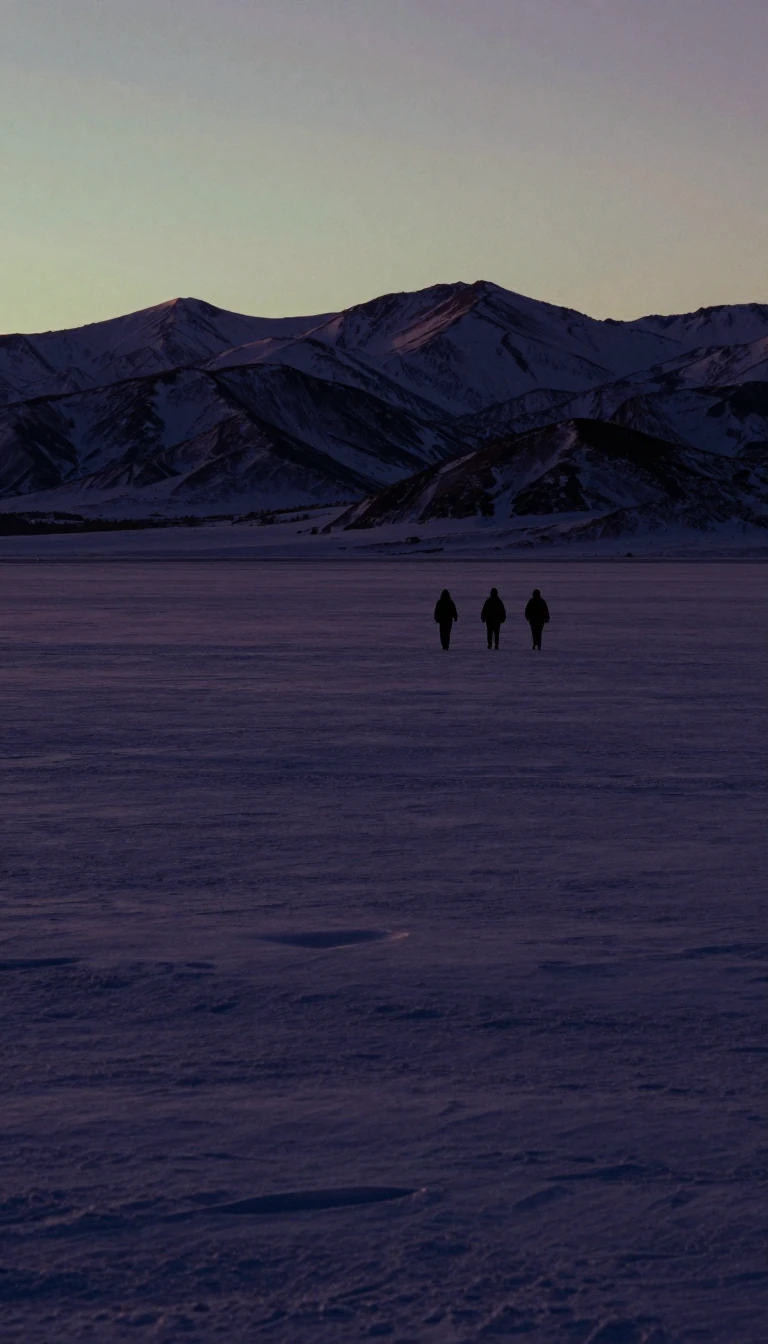
In short: Norse explorers reached North America long before the 15th century, establishing a base in Newfoundland by 1021 AD. Their expansion across the North Atlantic was not merely a feat of navigation, but a response to a unique period of global warmth that reshaped the environment of the medieval world.
The Norse expansion, beginning in the late 8th century, was facilitated by the Medieval Quiet Period. From approximately 800 to 1200 CE, global temperatures rose, reducing volcanic activity and stabilizing solar irradiance. In Greenland and North America, this warming trend decreased drift ice, which had previously posed a lethal threat to sailors. Lake sediment cores from southern Greenland reveal that average annual temperatures increased by about 1.5°C during this era, while broader regional data suggests a 2°C increase across North America and Europe between 830 and 1100 CE.
This climate shift coincided with a predominantly negative mode of the North Atlantic Oscillation, which brought warmer conditions and less sea ice to Greenland and northern North America. These favorable environmental factors allowed Norse settlers to establish permanent colonies in Greenland, where the population eventually peaked at 2,000 to 3,000 people. These communities relied on pastoral farming, supplemented by hunting and the export of walrus ivory to Europe. To secure vital resources like timber and iron, they launched expeditions to the Canadian mainland.
The most famous of these sites, L’Anse aux Meadows in Newfoundland, dates to around 1021 AD. Unlike the Greenlandic colonies, this site lacked stables and cemeteries, suggesting it served as a temporary overwintering base rather than a permanent settlement. By the 15th century, the Greenland colonies were abandoned, driven by economic hardship, isolation, and the onset of the Little Ice Age. While the Vinland sagas preserve memories of these voyages, they were written centuries later and often reflect the literary expectations of their time, leaving archaeology as the primary tool for verifying Norse activity in the Americas.
Opens the Intellect+ feed with this card first. Swipe up for the next one.
Sources
- Summary by Intellect · source: Vikings and the Establishment of Norse Settlements in Greenland and North America (c. 986-1000) - Climate in Arts and History
- Also: Norse settlement of North America
To cite this card, link to https://intellectplus.co.uk/app/history-norse-settlement-of-north-america.
How we source, check and correct cards: Editorial standards.
General information, not professional advice. Spotted an error? Flag the card or see corrections and complaints.
Intellect Plus is a visual educational discovery platform for exploring fascinating facts and ideas. Brain Food, Not Brain Rot. What is Intellect Plus?
Related
More in Explorers · More in History · Latest · A–Z · All topics
