Portugal’s global reach once spanned from the frozen coast of Canada to South America
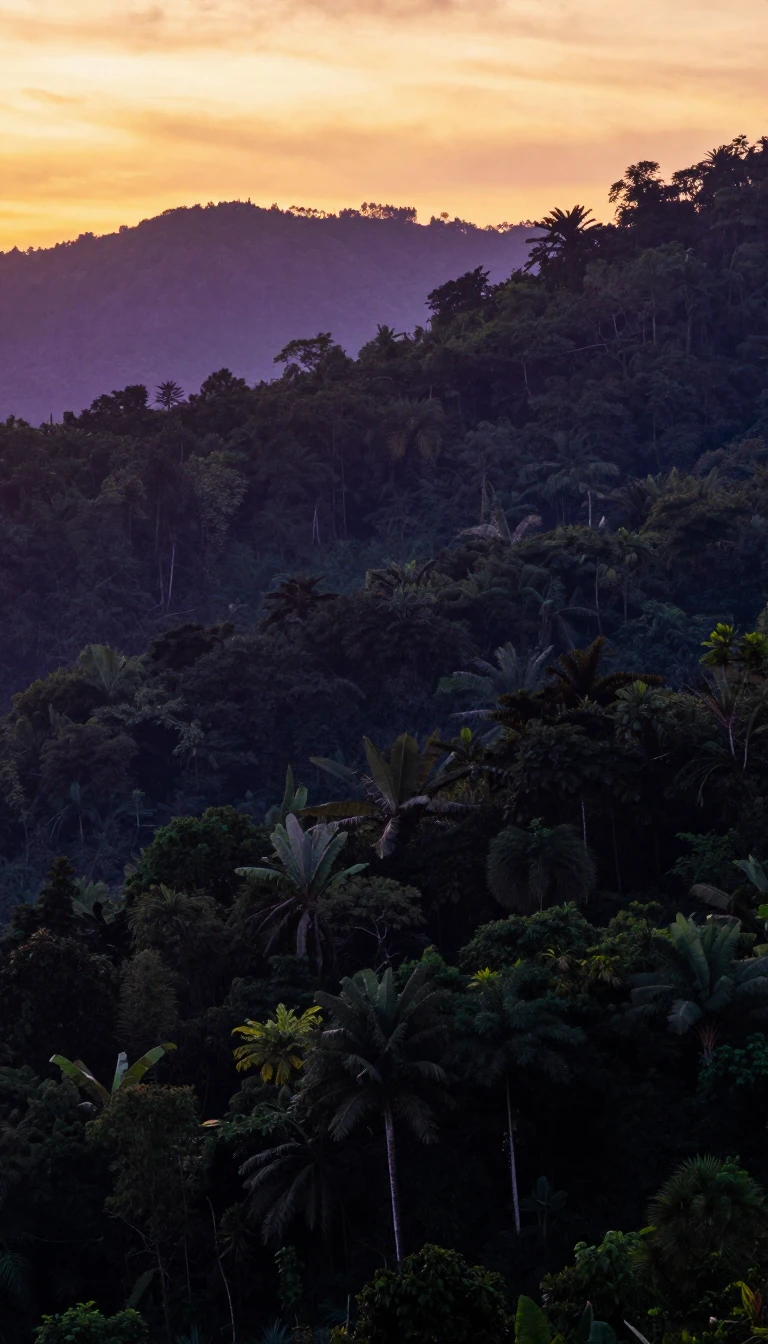
In short: While Brazil is the enduring legacy of Portuguese expansion, the empire’s early ambitions stretched far beyond the tropics. From failed fishing outposts in Newfoundland to the strategic exploration of the River Plate, Portugal’s reach across the Americas was a complex, centuries-long project of territorial claims, shifting governance, and intense competition.
In the 15th century, Portugal led European exploration, formalizing its global influence through the 1494 Treaty of Tordesillas. This agreement divided non-European territories between Portugal and Castile. While South America became the primary focus, Portuguese mariners also ventured into North America. Explorers like the Corte-Real brothers charted Greenland and Newfoundland in the early 1500s, and by 1521, fishing settlements were established in Nova Scotia. These northern efforts eventually waned as the Crown prioritized the lucrative development of Brazil.
The discovery of Brazil in 1500 by Pedro Álvares Cabral was a pivotal moment, connecting four continents. Initially viewed as an island, the land soon became the center of a permanent colonial project. By 1532, the founding of São Vicente marked the beginning of stable settlement, later organized into autonomous captaincies. In 1549, these were consolidated under a single Governor-General based in São Salvador to improve management and revenue. This period also saw the rise of the sugar industry, which relied on the forced labor of Native and African people.
Portuguese America was not a static entity. In 1621, the territory was split into two distinct administrative states, a structure that evolved through various restructurings until 1775, when they were unified under the State of Brazil. This consolidation is credited with preventing the fragmentation seen in neighboring Spanish colonies. Throughout this era, Portugal defended its interests against rivals, including a successful campaign to expel the Dutch from the Northeast in 1654 and the destruction of a French colony at Guanabara Bay in the 1560s. These efforts ensured that Portuguese influence remained the dominant force across a vast swathe of the South American continent.
Opens the Intellect+ feed with this card first. Swipe up for the next one.
Sources
- Summary by Intellect · source: Portuguese colonization of the Americas
To cite this card, link to https://intellectplus.co.uk/app/history-portuguese-colonization-of-the-americas.
How we source, check and correct cards: Editorial standards.
General information, not professional advice. Spotted an error? Flag the card or see corrections and complaints.
Intellect Plus is a visual educational discovery platform for exploring fascinating facts and ideas. Brain Food, Not Brain Rot. What is Intellect Plus?
Related
More in Early modern · More in History · Latest · A–Z · All topics
