The luxury liner that became the first Allied passenger ship lost in WWI
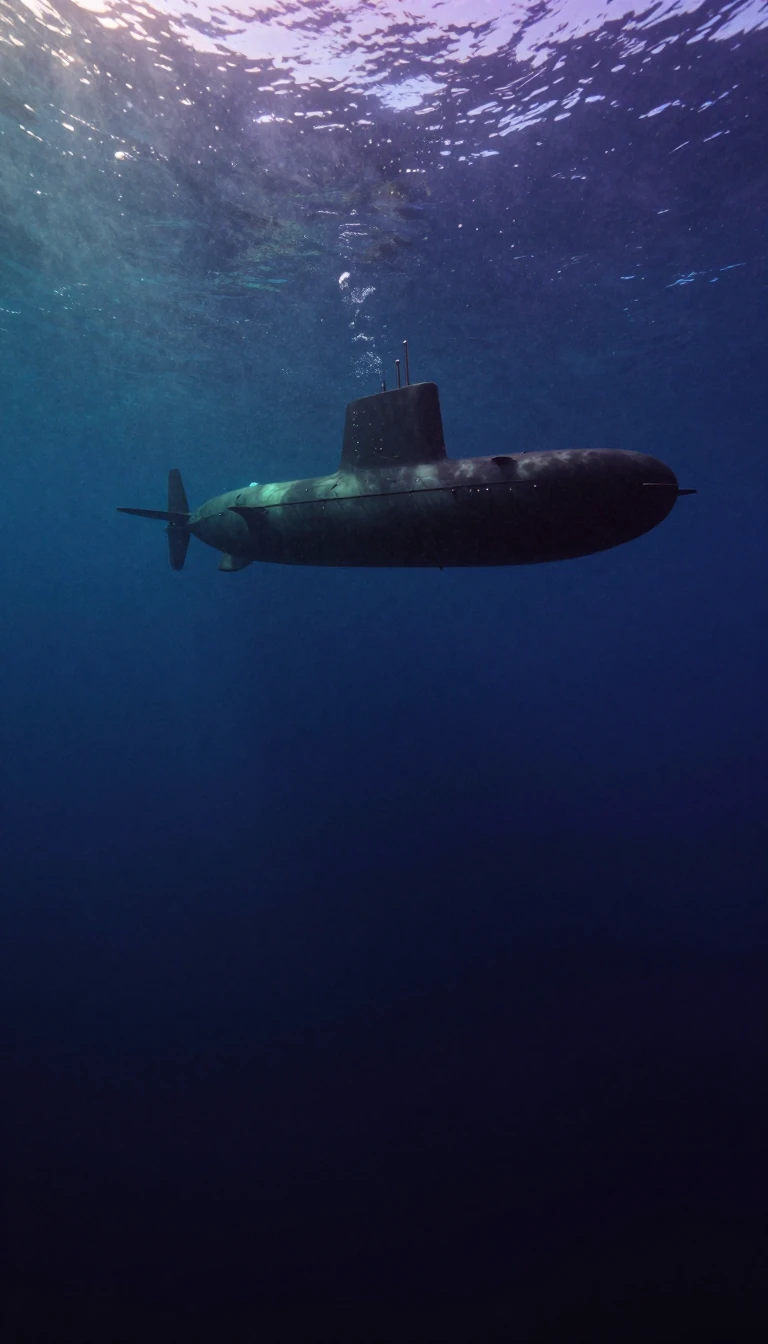
In short: Built to prioritize opulence over speed, the RMS Oceanic was a marvel of 19th-century engineering. Yet, despite its massive scale and sophisticated design, it met a tragic end in 1914. Its destruction serves as a haunting study of how human error and command confusion can overcome even the greatest machines.
Launched in 1899, the RMS Oceanic was the White Star Line's response to rapid marine technology advances. While competitors like the Cunard Line focused on speed, White Star adopted a 'luxury over speed' strategy. Operating at 21 knots, the Oceanic utilised the most massive four-cylinder triple expansion machinery ever built during that era. It cost one million pounds sterling to build and required 1,500 shipwrights to complete at Harland and Wolff's Queen's Island yard.
The ship's design was a masterclass in early 20th-century aesthetics and social engineering. Architect Richard Norman Shaw consulted on the lavish first-class interiors, which featured a signature elegant dome over the dining room. Even the third-class accommodations were designed with a novel layout; instead of traditional crowded dormitories, single men were berthed in open-berth compartments of roughly 100 people, creating a less crowded environment with long tables and wooden benches.
The ship's end came during its conversion into an armed merchant cruiser for the Royal Navy. On 8 September 1914, the HMS Oceanic ran aground off the island of Foula in the Shetland Islands. The disaster was fueled by a breakdown in the chain of command between its naval captain and its former merchant master, as well as an inaccurate navigational fix that placed the vessel just feet from the surface-level Shaalds reef. Despite its size, the ship was wrecked in a flat calm, marking the first Allied passenger loss of the war.
The wreck remains a somber landmark at 60°07.05′N 001°58.30′W. It stands as a testament to the era of the 'Big Four' liners, highlighting the transition from private commercial luxury to the brutal requirements of naval warfare.
Opens the Intellect+ feed with this card first. Swipe up for the next one.
Sources
- Summary by Intellect · source: RMS Oceanic
To cite this card, link to https://intellectplus.co.uk/app/history-rms-oceanic.
How we source, check and correct cards: Editorial standards.
General information, not professional advice. Spotted an error? Flag the card or see corrections and complaints.
Intellect Plus is a visual educational discovery platform for exploring fascinating facts and ideas. Brain Food, Not Brain Rot. What is Intellect Plus?
Related
More in Modern · More in History · Latest · A–Z · All topics
