Beyond memorials, these ancient stone monuments served as early advertisements for status and faith.
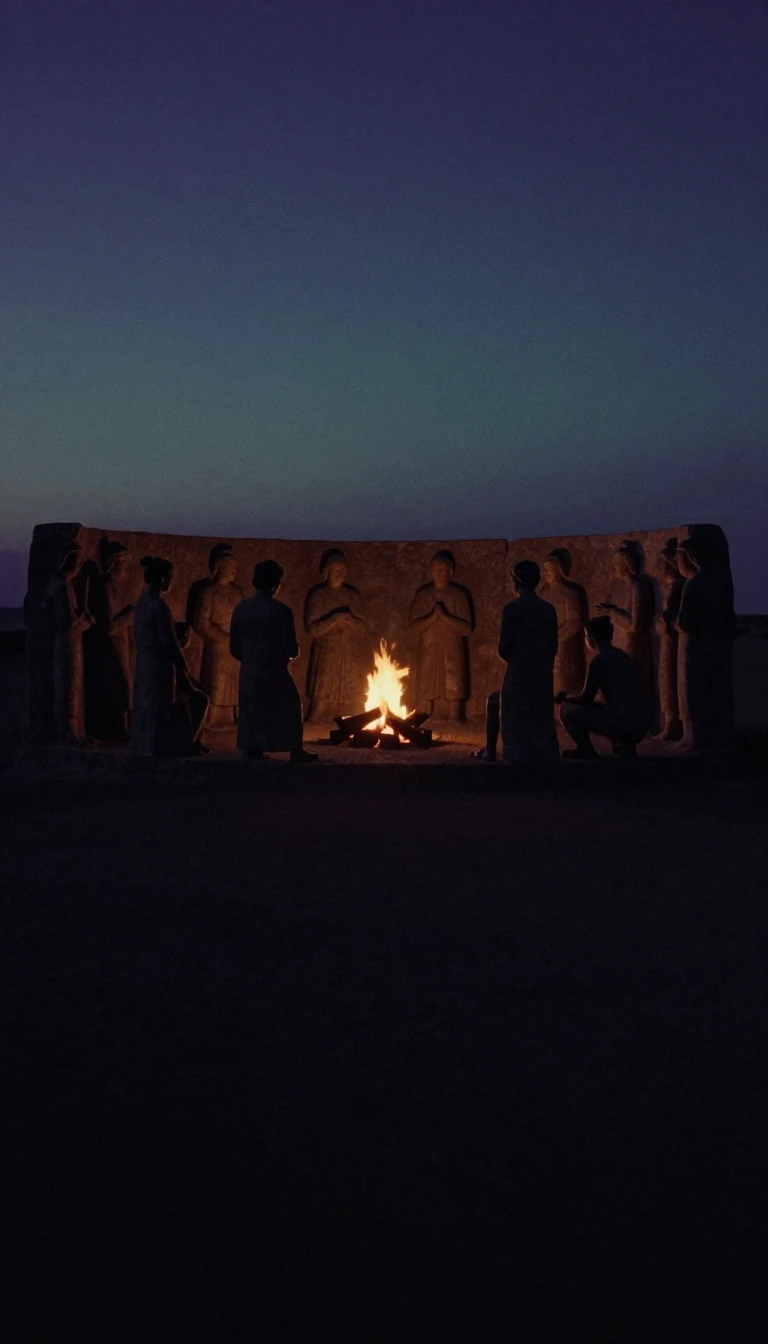
In short: Runestones are often imagined as solemn markers for the dead, but they were frequently vibrant, painted, and deeply personal tools for self-promotion. While they honored fallen kinsmen, they also broadcasted political allegiances, Christian conversion, and individual achievements, turning the landscape into a public record of Viking Age life and ambition.
The tradition of erecting runestones began in the 4th century, but it reached a peak during the late Viking Age, particularly between 950 and 1100 CE. While these stones are often associated with mourning, their functions were diverse. They were placed at assembly sites, bridges, and estate borders to mark territory, explain inheritance, and boast of construction projects. A significant shift occurred in the 960s when King Harald Bluetooth commissioned a monument in Denmark to honor his parents and celebrate his unification of Denmark and Norway. This act sparked a wave of imitation among chieftains, who used similar stones to signal their own power and, increasingly, their Christian faith.
The transition to Christianity is etched into the stone itself. In regions like Uppland, Sweden, which holds the world's highest concentration of runic inscriptions, roughly 70% of the 1,196 stones feature Christian imagery, such as crosses or prayers. This shift was not merely symbolic; it reflected a fundamental change in Norse society. As families adopted Christian burial practices, moving from ancestral grave fields to churchyards, the runestone remained at the homestead as a memorial. Christian terminology replaced pagan concepts, with Saint Michael effectively assuming the role of Odin as a guide for the soul, leading the deceased to 'light and paradise'.
Beyond religious devotion, runestones functioned as a medium for self-promotion. Bragging was a recognized virtue in Norse society, and hundreds of individuals commissioned stones to advertise their own cleverness, leadership, or public works. For instance, the Frösö Runestone commemorates a man who built a bridge and Christianized Jämtland, while others, like the ship captain Vigmund, carved memorials for themselves while still alive. These inscriptions offer a rare, direct glimpse into the lives of Norsemen, documenting everything from foreign trade and military expeditions to the receipt of Danegeld payments in England, providing a lasting testament to the complex social fabric of the Viking world.
Opens the Intellect+ feed with this card first. Swipe up for the next one.
Sources
- Summary by Intellect · source: Runestone
To cite this card, link to https://intellectplus.co.uk/app/history-runestone.
How we source, check and correct cards: Editorial standards.
General information, not professional advice. Spotted an error? Flag the card or see corrections and complaints.
Intellect Plus is a visual educational discovery platform for exploring fascinating facts and ideas. Brain Food, Not Brain Rot. What is Intellect Plus?
Related
More in Explorers · More in History · Latest · A–Z · All topics
