Nevada's smallest county was once its most populous, thanks to a silver boom.
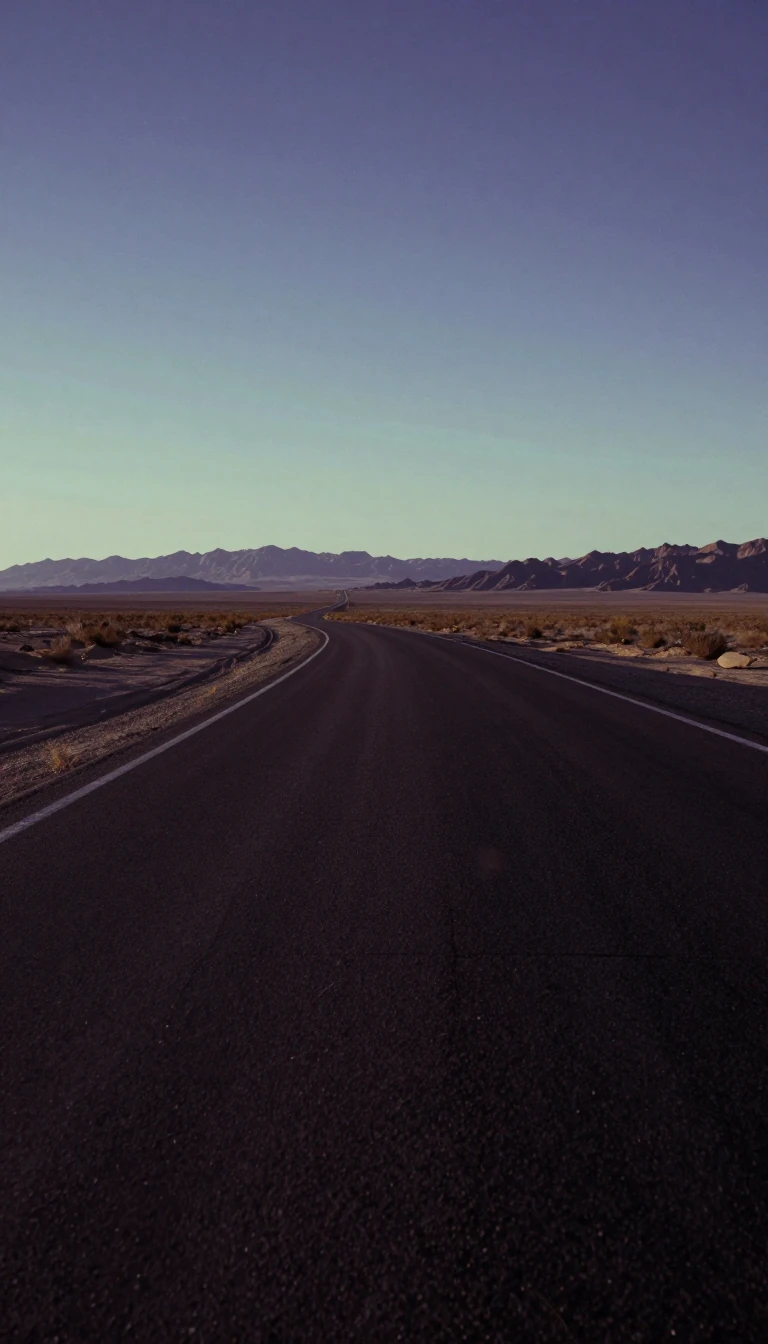
In short: Storey County, Nevada, occupies just 264 square miles, yet its history is vast. Originally the state’s most populous region during the 1861 silver rush, it later saw its population collapse as mines emptied. Today, the county is reinventing itself through modern industry, far outpacing its small resident population with jobs.
Established in 1861 as one of Nevada's original nine counties, Storey County was initially named for Captain Edward Farris Storey, who died in the 1860 Pyramid Lake War. It was briefly considered for the name McClellan County, honoring General George B. McClellan. The region’s early prosperity was driven entirely by the discovery of the Comstock Lode, a massive silver deposit that transformed the area into a bustling industrial hub. At its peak in 1880, the county population reached 16,115 residents.
The decline was as dramatic as the rise. Once the Comstock Lode was fully exhausted, the local economy withered, leading to a long period of depopulation. By the 1960 census, the county reached a historic low of just 568 residents. This collapse left behind a landscape defined by its mining heritage, including ghost towns and historic sites like the Chollar Mine and the Comstock Gold Mill, which remain accessible to visitors today.
In recent decades, the county has undergone a significant economic shift. While the permanent population remains modest—recorded at 4,104 in the 2020 census—the region has become a powerhouse for manufacturing and warehousing. The arrival of the Tesla Gigafactory and other industrial investments has created a unique dynamic where employment numbers, which exceeded 18,000 in 2018, far outstrip the number of people living within the county borders. This modern transformation relies on the county’s strategic proximity to the Reno-Sparks Metropolitan Area.
Geographically, Storey County remains a rugged, high-elevation environment. Virginia City, the county seat, sits over 6,000 feet above sea level, while the highest point, Mount Davidson, reaches 7,864 feet. Despite its small size, the county contains diverse terrain, including the Flowery Range and parts of the Virginia Range. Today, the area balances its industrial growth with a commitment to preserving its 19th-century history through museums and the V&T Railroad.
Opens the Intellect+ feed with this card first. Swipe up for the next one.
Sources
- Summary by Intellect · source: County Report - Storey | Nevada Economic Assessment Project (NEAP) | University Of Nevada, Reno
- Also: Storey County, Nevada
To cite this card, link to https://intellectplus.co.uk/app/history-storey-county-nevada.
How we source, check and correct cards: Editorial standards.
General information, not professional advice. Spotted an error? Flag the card or see corrections and complaints.
Intellect Plus is a visual educational discovery platform for exploring fascinating facts and ideas. Brain Food, Not Brain Rot. What is Intellect Plus?
Related
More in Explorers · More in History · Latest · A–Z · All topics
