The Soviet cruiser that forced the Royal Navy to keep its last battleship
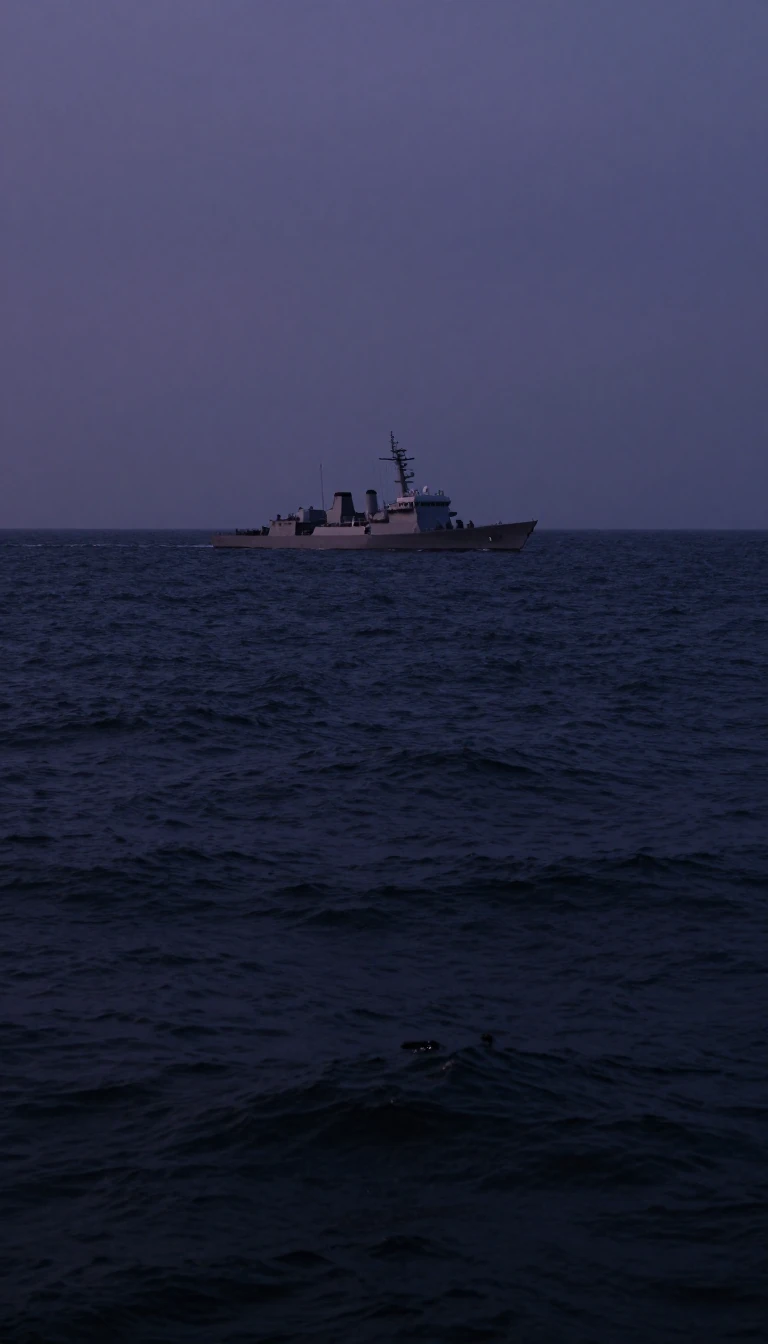
In short: In the 1950s, the Soviet Union unveiled a fleet of massive gun cruisers that terrified Western naval planners. These ships were so formidable that the British Royal Navy felt compelled to keep its final battleship in service, creating a high-stakes technological chess match in the North Atlantic.
The Sverdlov-class cruisers (Project 68bis) were the final conventional gun cruisers built for the Soviet Navy. Based on pre-WWII designs from Soviet, German, and Italian concepts, they were modified for high-speed operations in the rough North Atlantic. Their primary threat lay in their extensive radar suites and anti-aircraft artillery, which made approaching them within 5,000 yards extremely dangerous for aircraft. This capability triggered the "Sverdlov Crisis," a period of intense concern for the Royal Navy, which feared the Soviets could overwhelm their northern units with a first-class fleet.
The threat was so significant that the Royal Navy maintained the HMS Vanguard, its last battleship, until 1960 as a surefire stopgap. They also kept four King George V-class battleships in reserve until 1956. To counter the Sverdlovs without relying on heavy guns, the British eventually developed the Blackburn Buccaneer. This carrier-based strike aircraft was designed to attack at ultra-low levels using toss bombing, staying outside the effective range of the Sverdlovs' 100 mm and 37 mm guns.
Despite their power, the Sverdlov fleet was a product of Joseph Stalin's personal vision. Most outside the Soviet Navy considered the concept obsolete by the missile age. Following Stalin's death in 1953, the program was abruptly curtailed; of the 30-40 ships originally planned, only 14 were completed. While Soviet admirals argued for their continued use as command ships or for political presence in the Third World, the ships were eventually outclassed by the lack of anti-ship cruise missiles, remaining primarily as gunfire support platforms until the late 1980s.
The class featured 12 152 mm guns and a maximum speed of 32.5 knots. While they underwent various experiments—including unsuccessful attempts to mount surface-to-air missiles and anti-ship launchers—the ships ultimately served as a bridge between the era of big-gun diplomacy and the modern missile age.
Opens the Intellect+ feed with this card first. Swipe up for the next one.
Sources
- Summary by Intellect · source: Sverdlov-class cruiser
To cite this card, link to https://intellectplus.co.uk/app/history-sverdlov-class-cruiser.
How we source, check and correct cards: Editorial standards.
General information, not professional advice. Spotted an error? Flag the card or see corrections and complaints.
Intellect Plus is a visual educational discovery platform for exploring fascinating facts and ideas. Brain Food, Not Brain Rot. What is Intellect Plus?
Related
More in Military leaders, personnel, and theorists · More in History · Latest · A–Z · All topics
