How a failed science-fiction director created the ultimate 1950s nostalgia machine in 1973
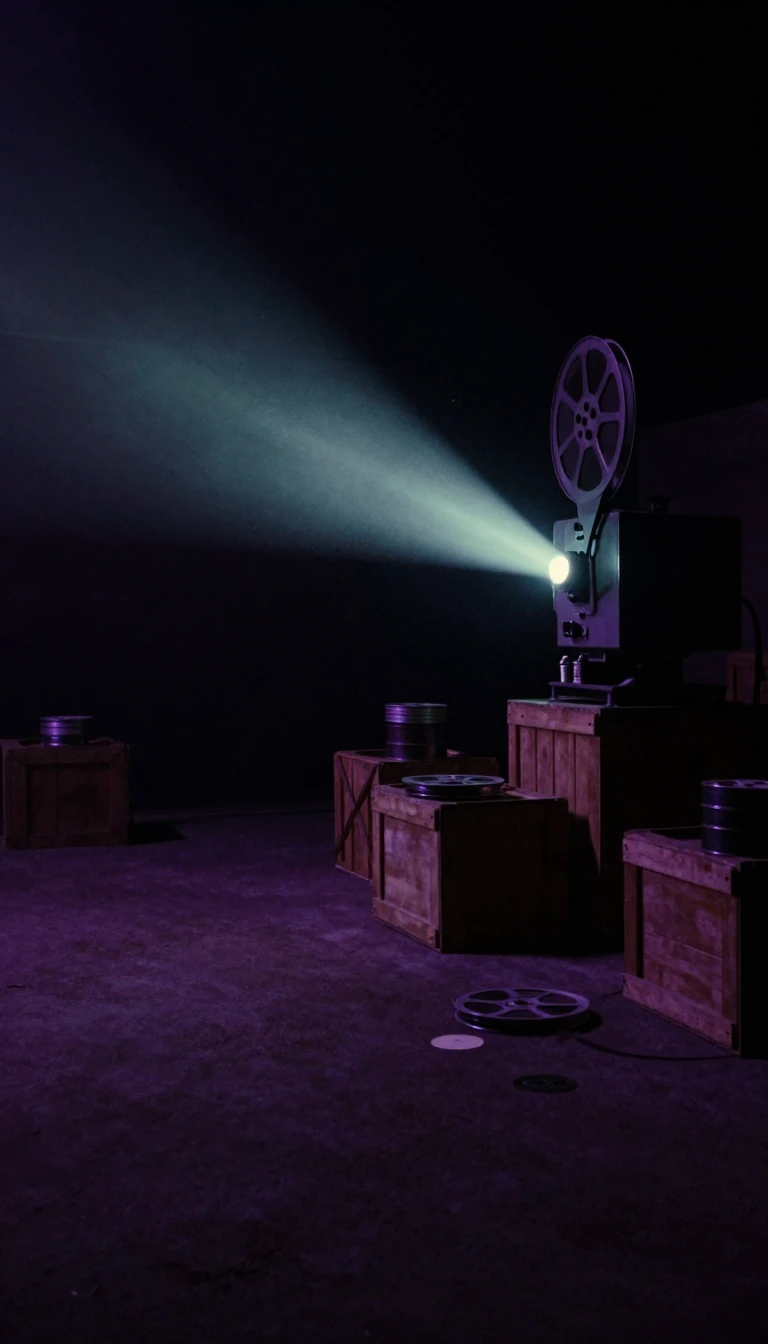
In short: Before Star Wars, George Lucas was a struggling filmmaker whose first feature flopped. With advice from Francis Ford Coppola to make something human, he crafted American Graffiti. This low-budget, 1962-set cruising odyssey became a massive cultural phenomenon, defining an era of nostalgia and launching the careers of future icons.
In the early 1970s, George Lucas was reeling from the commercial failure of his debut, THX 1138. His friend Francis Ford Coppola urged him to abandon cold science fiction for a warmer, more relatable story. Lucas drew from his own teenage years in Modesto, California, to write a script about a single night of cruising. The project faced immediate resistance; major studios like Paramount and 20th Century Fox rejected it, and Universal Pictures only signed on with reluctance, initially planning to relegate the film to a television release.
The production was notoriously chaotic. Filming in Petaluma, California, lasted 28 days and was plagued by bizarre incidents, including a hotel fire, an arrest for cannabis possession, and an altercation where Harrison Ford and another actor threw Richard Dreyfuss into a swimming pool. Despite these hurdles, the film was completed on a budget of about $750,000. Coppola played a pivotal role in its survival, successfully pressuring Universal to give the film a theatrical run rather than burying it on television.
Released in 1973, American Graffiti became a surprise financial juggernaut, grossing more than $140 million worldwide. It earned five Academy Award nominations, including Best Picture and Best Director. The film’s success was fueled by its evocative soundtrack, which Lucas had to trim from 70 songs to 40 to manage costs, and its authentic capture of 1950s car culture. By 1995, the Library of Congress selected it for the National Film Registry, cementing its status as a culturally significant work that defined the teen comedy genre and solidified the career of a young George Lucas.
The film served as a launchpad for stars like Ron Howard, Richard Dreyfuss, and Harrison Ford. It also tapped into a burgeoning cultural appetite for 1950s nostalgia, sharing the zeitgeist with Broadway’s Grease. Its legacy is profound; it not only provided the financial freedom for Lucas to pursue his next project, Star Wars, but also permanently altered the landscape of American pop culture by romanticizing the innocence and rebellion of the pre-Vietnam era.
Opens the Intellect+ feed with this card first. Swipe up for the next one.
Sources
- Summary by Intellect · source: American Graffiti | Origin, Development, Casting, Performance, Reception, Legacy, & Facts | Britannica
- Also: American Graffiti
To cite this card, link to https://intellectplus.co.uk/app/music-american-graffiti.
How we source, check and correct cards: Editorial standards.
General information, not professional advice. Spotted an error? Flag the card or see corrections and complaints.
Intellect Plus is a visual educational discovery platform for exploring fascinating facts and ideas. Brain Food, Not Brain Rot. What is Intellect Plus?
Related
More in Musicians and composers · More in Music · Latest · A–Z · All topics
