The hidden physics of sound: How equalizers reshape what you hear
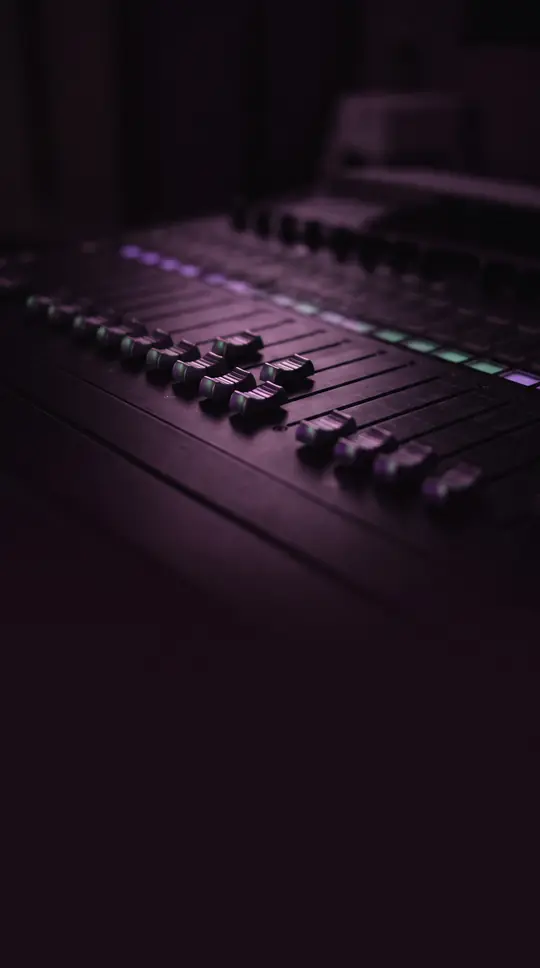
In short: Equalization is more than just boosting the bass. It is a precise manipulation of frequency bands to correct hardware flaws, eliminate unwanted noise, or sculpt the aesthetic character of a recording. From telephone lines to modern studios, EQ serves as the invisible architect of audio fidelity.
At its core, equalization (EQ) is the process of adjusting the volume of specific frequency bands within an audio signal. While many consumers associate it with simple 'bass' and 'treble' knobs, these are actually first-order filters designed for broad adjustments to increase listener satisfaction. In contrast, professional studio equipment functions as 'frequency-specific volume knobs,' allowing engineers to isolate and manipulate specific instruments, remove low-frequency hums, or combat feedback in live sound systems.
The technology evolved from passive filters used to correct telephone lines before electronic amplification existed. The goal was 'equalization' in the literal sense: creating a flat frequency response where every frequency is heard equally. By the 1920s, John Volkman at RCA introduced variable EQ for motion picture theaters. The 1950s saw a leap with Art Davis’s first true graphic equalizer, which used active tubes to provide six bands of adjustment. This paved the way for the 'parametric' revolution of the early 1970s.
Modern mixing consoles rely on designs pioneered by Daniel Flickinger, George Massenburg, and Burgess McNeal. Flickinger’s 1971 patent introduced the circuit topology that dominates today, allowing for 'sweep-tunable' filters. Unlike graphic equalizers, which have fixed center frequencies, parametric EQs allow users to choose an arbitrary center frequency, a 'Q' factor to determine bandwidth sharpness, and a specific gain level. Furthermore, these processes often alter the relative phases of frequencies, a nuance that music professionals use to shape the unique timbre of a performance.
Today, EQ is used for both corrective and aesthetic purposes. It can act as a protective measure, such as a 'low-cut' filter removing infrasonic energy that might damage loudspeakers, or a creative tool to fit individual instruments into a complex mix. Whether through hardware sliders or digital signal processing (DSP) plug-ins, EQ remains the primary tool for balancing the sonic landscape.
Opens the Intellect+ feed with this card first. Swipe up for the next one.
Sources
- Summary by Intellect · source: Audio equalization
To cite this card, link to https://intellectplus.co.uk/app/music-audio-equalization.
How we source, check and correct cards: Editorial standards.
General information, not professional advice. Spotted an error? Flag the card or see corrections and complaints.
Intellect Plus is a visual educational discovery platform for exploring fascinating facts and ideas. Brain Food, Not Brain Rot. What is Intellect Plus?
Related
More in Music technology · More in Music · Latest · A–Z · All topics
