From Baroque Courts to Digital Raves: The Evolution of Music Made for Movement
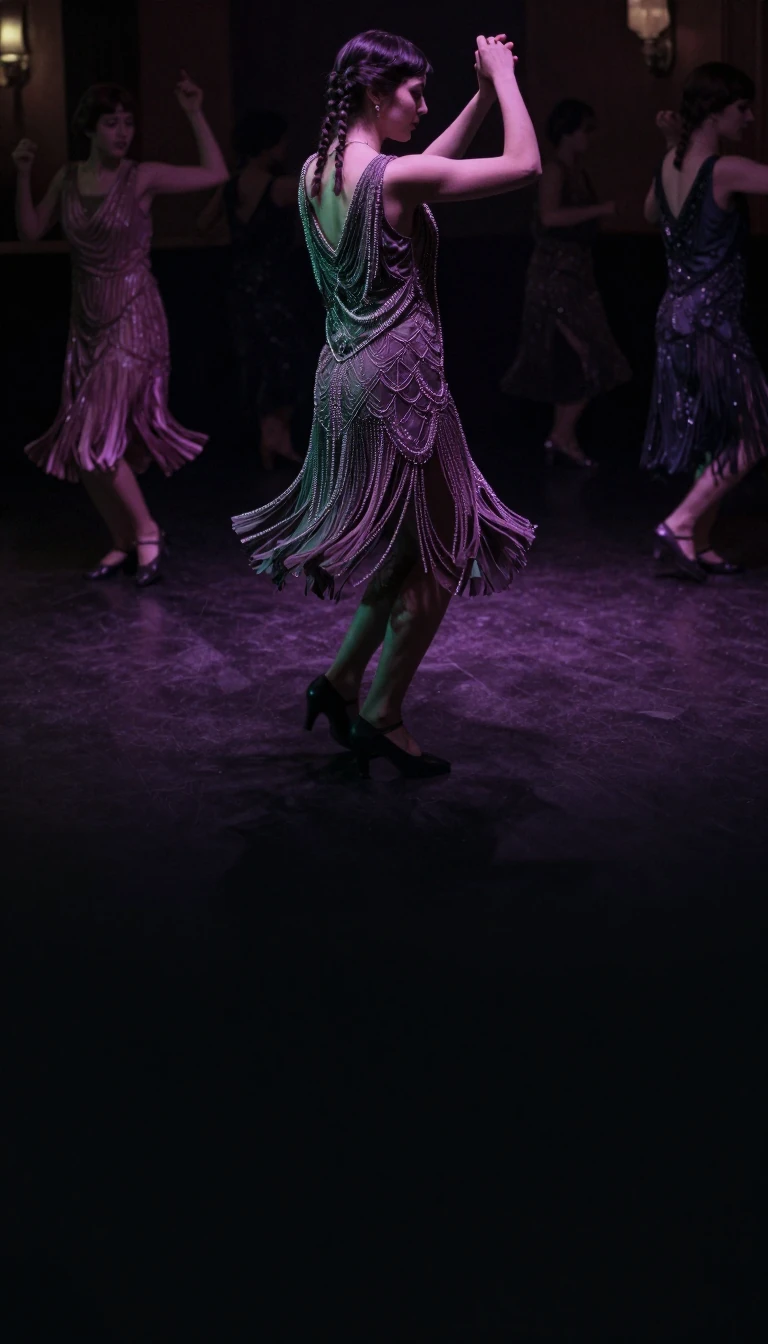
In short: Dance music is far more than a modern nightclub staple. While today we associate it with synthesizers and 4/4 beats, its roots stretch back to ancient rhythmic traditions and noble court dances. Discover how this functional art form evolved from live orchestras to the global electronic phenomenon we know today.
Dance music is defined by its purpose: to facilitate or accompany movement. While ancient Greek vases depict musicians playing for dancers, the earliest Western dance music we can reliably reproduce stems from medieval traditions like the Estampie and carols. By the Baroque era, dance music had become a sophisticated courtly affair, with suites featuring the courante, sarabande, and minuet. Even as these forms moved into the classical era, the minuet persisted as a structural movement in symphonies, though it eventually lost its literal connection to the dance floor.
The 20th century transformed dance music into a mass-market cultural force. The 1920s saw jazz orchestras dominate public dance halls, while the 1930s Swing era and the 1950s rock and roll explosion redefined popular rhythm. By the 1970s, disco emerged as a dominant genre, famously utilizing real orchestral strings—a rarity in an era where live bands had become prohibitively expensive for most clubs. This period also saw the rise of the disc jockey, who replaced live performers by playing recorded tracks, a shift solidified by television shows like Soul Train and American Bandstand.
The late 1970s and 1980s marked the transition to electronic dance music (EDM). Enabled by the MIDI protocol, producers began using computers, synthesizers, and drum machines to achieve precise sound synchronization. This shift moved the genre away from physical instrumentation toward digital soundscapes. Today, EDM encompasses a vast array of subgenres, from house and techno to trance and dubstep. While modern producers often rely on digital tools, many still bring a classical foundation to their work, bridging the gap between the structured compositions of the past and the relentless, looping energy of the modern rave.
Opens the Intellect+ feed with this card first. Swipe up for the next one.
Sources
- Summary by Intellect · source: Dance music
To cite this card, link to https://intellectplus.co.uk/app/music-dance-music.
How we source, check and correct cards: Editorial standards.
General information, not professional advice. Spotted an error? Flag the card or see corrections and complaints.
Intellect Plus is a visual educational discovery platform for exploring fascinating facts and ideas. Brain Food, Not Brain Rot. What is Intellect Plus?
Related
More in Music · More in Music · Latest · A–Z · All topics
