Why this 1911 comic opera features anachronistic waltzes set in the 1700s
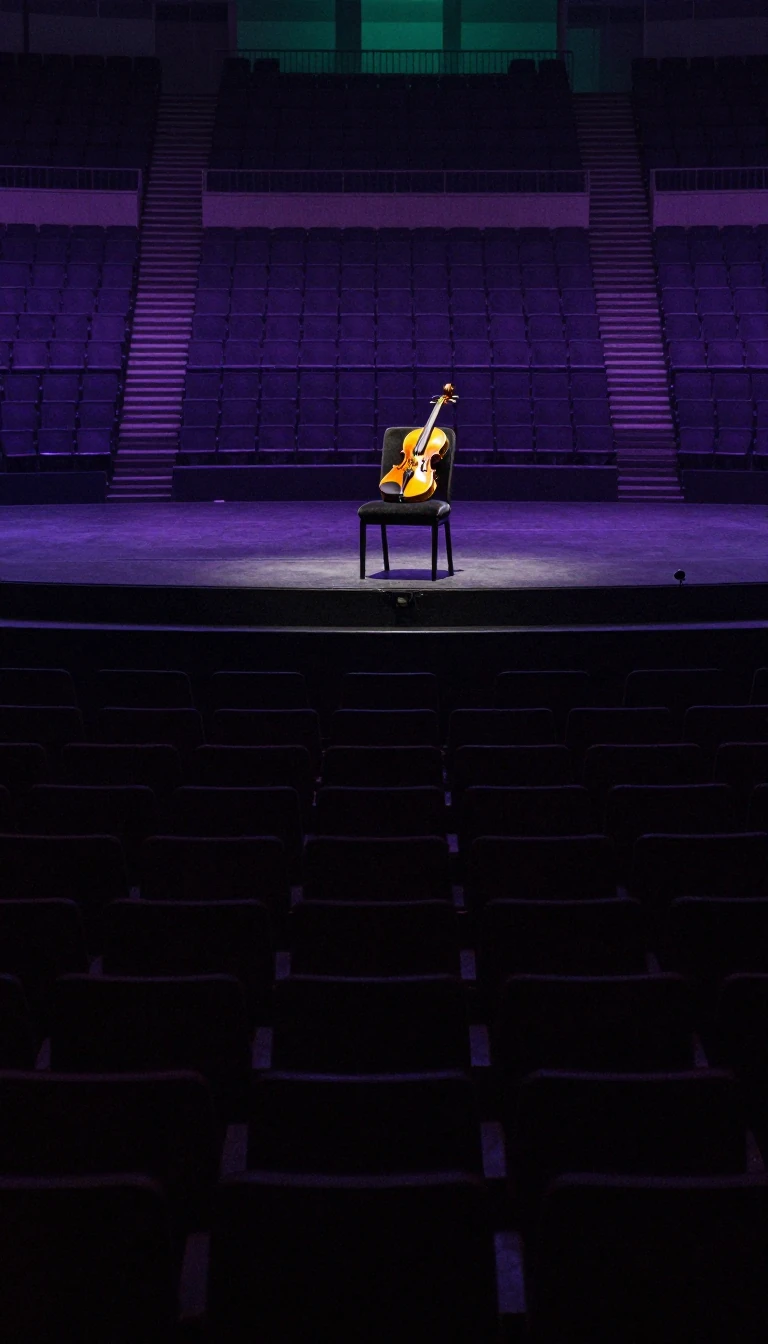
In short: Richard Strauss and librettist Hugo von Hofmannsthal created a masterpiece that defies historical accuracy for emotional effect. By blending 18th-century settings with 19th-century dance rhythms, they crafted a nostalgic atmosphere that became the composer's most beloved work. Discover the story behind the opera that celebrates the female voice.
Premiering in early 1911 at the Dresden Royal Opera House, Der Rosenkavalier marked the first major collaboration between composer Richard Strauss and dramatist Hugo von Hofmannsthal. Following their intense, dark opera Elektra, the pair sought a lighter tone. They drew inspiration from French sources, including a 1907 operetta by Claude Terrasse and a 1669 comedy by Molière, to build a narrative centered on the aristocratic Marschallin, her young lover Octavian, and the boorish Baron Ochs.
The score is famous for its heavy reliance on waltzes, a musical choice that drew criticism from purists at the time. Because the opera is set in Vienna during the mid-1700s, the waltz is technically anachronistic, as the dance did not gain popularity until the early 1800s. Strauss intentionally ignored historical realism, using the waltz to evoke a specific, idealized sense of nostalgia for imperial Vienna. This stylistic gamble paid off, as the work became an immediate, massive success across Europe and the United States.
A defining feature of the opera is its focus on the female voice. The role of Octavian is a breeches role, traditionally performed by a woman, meaning the central love music is sung entirely by women. This culminates in a famous final trio that Strauss held in such high regard he requested it be performed at his own funeral. The opera explores complex themes of aging, infidelity, and selflessness, as the Marschallin eventually chooses to step aside, allowing Octavian to find happiness with the younger Sophie.
The production process was marked by meticulous planning. Strauss and Hofmannsthal insisted on specific set designs and even recruited Max Reinhardt to assist with rehearsals. Despite early debates over the waltzes, the opera quickly cemented its place in the repertoire. It remains the most frequently performed of all Strauss’s operas, celebrated for its emotional depth and its unique, female-dominated vocal landscape.
Opens the Intellect+ feed with this card first. Swipe up for the next one.
Sources
- Summary by Intellect · source: Der Rosenkavalier | Strauss Opera, Comedy & Libretto | Britannica
- Also: Der Rosenkavalier
To cite this card, link to https://intellectplus.co.uk/app/music-der-rosenkavalier.
How we source, check and correct cards: Editorial standards.
General information, not professional advice. Spotted an error? Flag the card or see corrections and complaints.
Intellect Plus is a visual educational discovery platform for exploring fascinating facts and ideas. Brain Food, Not Brain Rot. What is Intellect Plus?
Related
More in Music · More in Music · Latest · A–Z · All topics
