How a sixteenth-century hymn became a modern masterpiece of orchestral sound
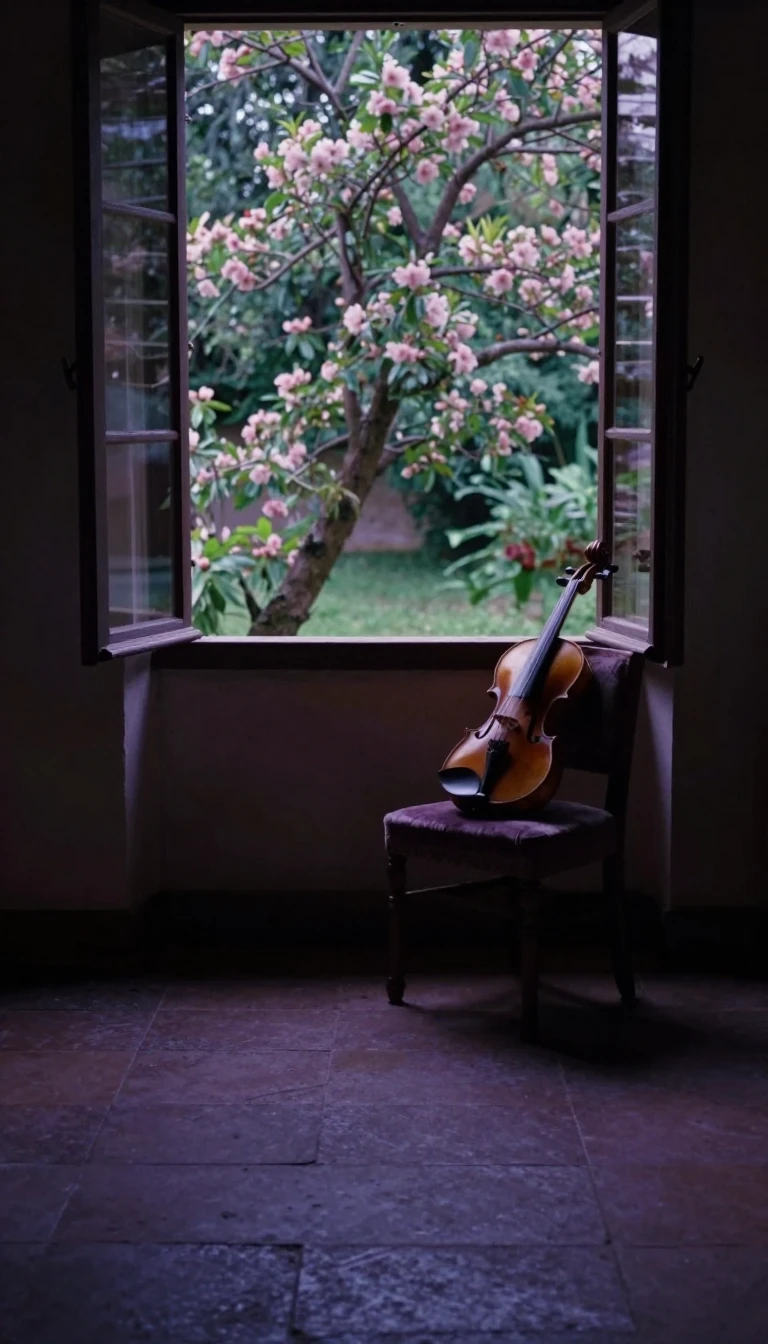
In short: Ralph Vaughan Williams transformed a forgotten tune by Thomas Tallis into a haunting, antiphonal string fantasia. Premiered in 1910, this work defied contemporary critics who called it mad, eventually becoming a beloved staple of the classical repertoire that captures the deep, contemplative spirit of the English Renaissance.
In 1910, Ralph Vaughan Williams was a composer in his late thirties seeking to establish his own voice. When the Three Choirs Festival commissioned a new work for Gloucester Cathedral, he turned to a sixteenth-century melody by Thomas Tallis—a tune he had discovered while editing the English Hymnal in 1906. This theme, originally a setting for Psalm 2 in the 1567 Psalter of Archbishop Matthew Parker, is written in the Phrygian mode, characterized by its distinctive intervals of flat seconds, thirds, sixths, and sevenths.
The resulting Fantasia is a complex, one-movement structure for a double string orchestra and a solo string quartet. Vaughan Williams employed antiphony, allowing the three ensembles to echo and respond to one another rather than relying on traditional contrapuntal imitation. The piece is built around the original hymn melody, which is broken into four phrases and interspersed with a recurring 'swaying chord' motif. This motif acts as a refrain, guiding the listener through four distinct episodes that explore varying voicings and emotional intensities, from the haunting introduction to the climactic, appassionato middle sections.
Initial reception was mixed; while some critics praised its beauty and mastery of string effects, others dismissed it as an overlong, queer work by an odd fellow. Vaughan Williams himself remained unsatisfied with the original length, revising the score in 1913 and again in 1919 to make it more concise. Over time, the work’s reputation shifted dramatically. Today, it is widely celebrated, frequently appearing in the top five of Classic FM’s annual Hall of Fame polls, proving that the composer’s unique synthesis of ancient modal flavor and modern harmonic depth resonates deeply with contemporary audiences.
Opens the Intellect+ feed with this card first. Swipe up for the next one.
Sources
- Summary by Intellect · source: Fantasia on a Theme by Thomas Tallis
To cite this card, link to https://intellectplus.co.uk/app/music-fantasia-on-a-theme-by-thomas-tallis.
How we source, check and correct cards: Editorial standards.
General information, not professional advice. Spotted an error? Flag the card or see corrections and complaints.
Intellect Plus is a visual educational discovery platform for exploring fascinating facts and ideas. Brain Food, Not Brain Rot. What is Intellect Plus?
Related
More in Music · More in Music · Latest · A–Z · All topics
