The acerbic conductor who championed Wagner while losing his wife to him
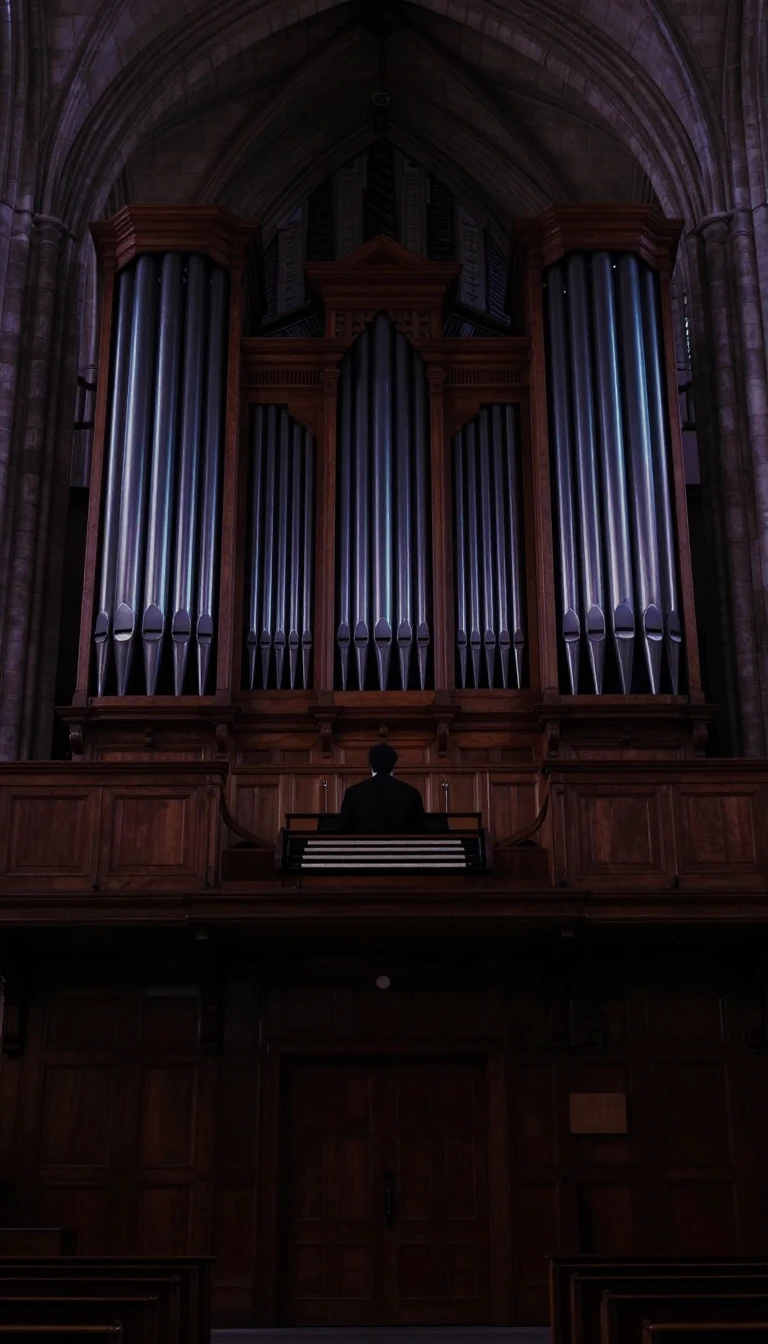
In short: Hans von Bülow was a titan of the 19th-century podium, known for his sharp tongue and memory-defying performances. Yet, his professional triumphs were shadowed by a personal tragedy: his wife, Cosima, left him for Richard Wagner, the very composer whose operas Bülow had famously brought to life.
Born in 1830 into the prominent House of Bülow, Hans von Bülow defied his parents' legal ambitions to pursue music after hearing Wagner's Lohengrin in 1850. A student of Franz Liszt, he became a virtuoso conductor and pianist, renowned for his ability to lead complex works without a score. His career reached its zenith in Munich, where he conducted the successful premieres of Wagner's Tristan und Isolde in 1865 and Die Meistersinger von Nürnberg in 1868.
Bülow’s personal life was famously turbulent. His marriage to Liszt's daughter, Cosima, collapsed as she conducted an open affair with Wagner. Despite the birth of children with Wagner, Bülow refused a divorce until 1870. Remarkably, he maintained professional respect for Wagner, even mourning his death in 1883. His acerbic personality often caused friction, such as when he was forced out of his Hanover post for calling a tenor a 'Knight of the Swine' instead of the 'Knight of the Swan'.
Beyond his personal drama, Bülow was a pioneer of modern orchestral standards. At the Meiningen Court Orchestra, he insisted musicians play from memory, and he introduced innovations like the five-string double bass and pedal timpani. He was a tireless advocate for Brahms, Tchaikovsky, and Beethoven, famously performing the complete cycle of Beethoven's piano sonatas from memory. By the time he died in Cairo in 1894, he had established the prototype of the modern virtuoso conductor.
His later years were marked by a fascination with the philosopher Max Stirner, whose ideas he publicly exalted during his final performance with the Berlin Philharmonic in 1892. Suffering from chronic neuralgiform headaches caused by a cervical nerve tumor, his health declined rapidly in his final years. He remains a complex figure: a brilliant, witty, and often difficult man who fundamentally shaped the trajectory of Romantic music.
Opens the Intellect+ feed with this card first. Swipe up for the next one.
Sources
- Summary by Intellect · source: Hans von Bülow
To cite this card, link to https://intellectplus.co.uk/app/music-hans-von-b-low.
How we source, check and correct cards: Editorial standards.
General information, not professional advice. Spotted an error? Flag the card or see corrections and complaints.
Intellect Plus is a visual educational discovery platform for exploring fascinating facts and ideas. Brain Food, Not Brain Rot. What is Intellect Plus?
Related
More in Musicians and composers · More in Music · Latest · A–Z · All topics
