Why the composers labeled as Impressionists actually hated the term
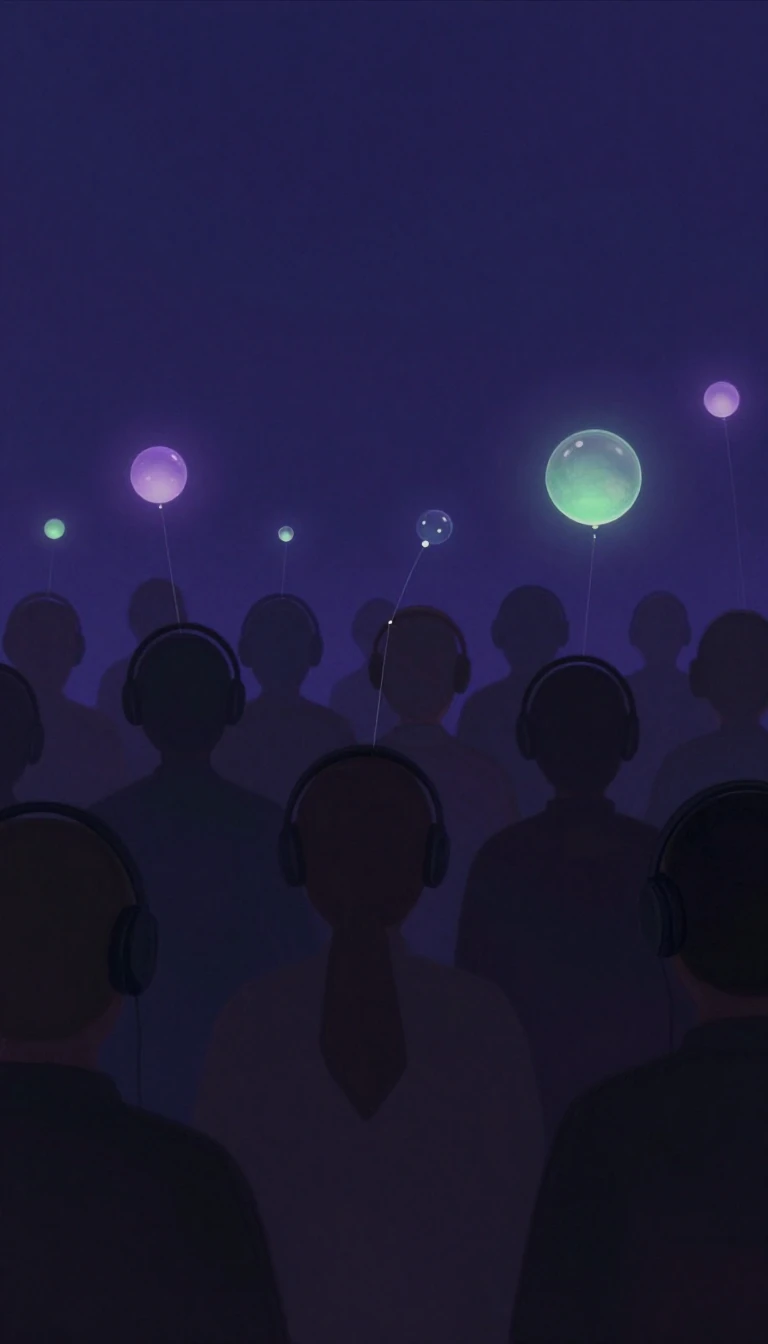
In short: Musical Impressionism emerged in the late 19th century, prioritizing atmosphere and timbre over traditional storytelling. Yet, its most famous figures, Claude Debussy and Maurice Ravel, famously rejected the label. They viewed the term as an inaccurate, reductive art-critic invention that failed to capture the complexity of their evolving harmonic language.
Musical Impressionism, flourishing in the late 19th and early 20th centuries, was defined by a shift away from the structured narratives of Romanticism. Instead of driving forward through standard harmonic progressions, composers focused on creating static, evocative moods. By utilizing non-diatonic scales like the whole-tone and pentatonic, alongside large, unresolved chords such as 9ths and 13ths, they treated dissonance as a tool for color rather than a problem to be solved. This approach emphasized instrumental timbre as the primary stylistic device, often replacing concise themes with circular melodies and shimmering textures.
The movement drew its name by analogy from French painting, specifically the work of Claude Monet. However, the composers themselves were deeply skeptical of this categorization. In a 1908 letter, Debussy dismissed the label as an imprecise tag used by critics to simplify art. Ravel was equally resistant, arguing that the term was fundamentally ill-suited for music. Despite their protests, the label stuck, and today, the movement is associated with a wide array of composers including Lili Boulanger, Alexander Scriabin, and Ottorino Respighi. Some scholars even trace its roots back to earlier masters like Franz Liszt and Hector Berlioz.
Beyond the aesthetic debate, Impressionism represented a departure from traditional syntax. Much like Symbolist poetry, it favored detached observation over emotional expression, disrupting expected musical flow to evoke individual images. While Debussy’s 1894 work Prélude à l'après-midi d'un faune is often cited as the seminal moment of the style, similar techniques appeared in works by Jean Sibelius as early as 1893. The movement’s influence proved enduring, leaving a lasting mark on the works of later composers such as George Gershwin and Béla Bartók, who continued to experiment with the shimmering, tensionless harmonies that defined the era.
Opens the Intellect+ feed with this card first. Swipe up for the next one.
Sources
- Summary by Intellect · source: Impressionism in music
- Also: Impressionism | Definition, Characteristics, Composers, & Facts | Britannica
To cite this card, link to https://intellectplus.co.uk/app/music-impressionism-in-music.
How we source, check and correct cards: Editorial standards.
General information, not professional advice. Spotted an error? Flag the card or see corrections and complaints.
Intellect Plus is a visual educational discovery platform for exploring fascinating facts and ideas. Brain Food, Not Brain Rot. What is Intellect Plus?
Related
More in Music · More in Music · Latest · A–Z · All topics
