Indie rock began as a distribution method before evolving into a distinct musical style
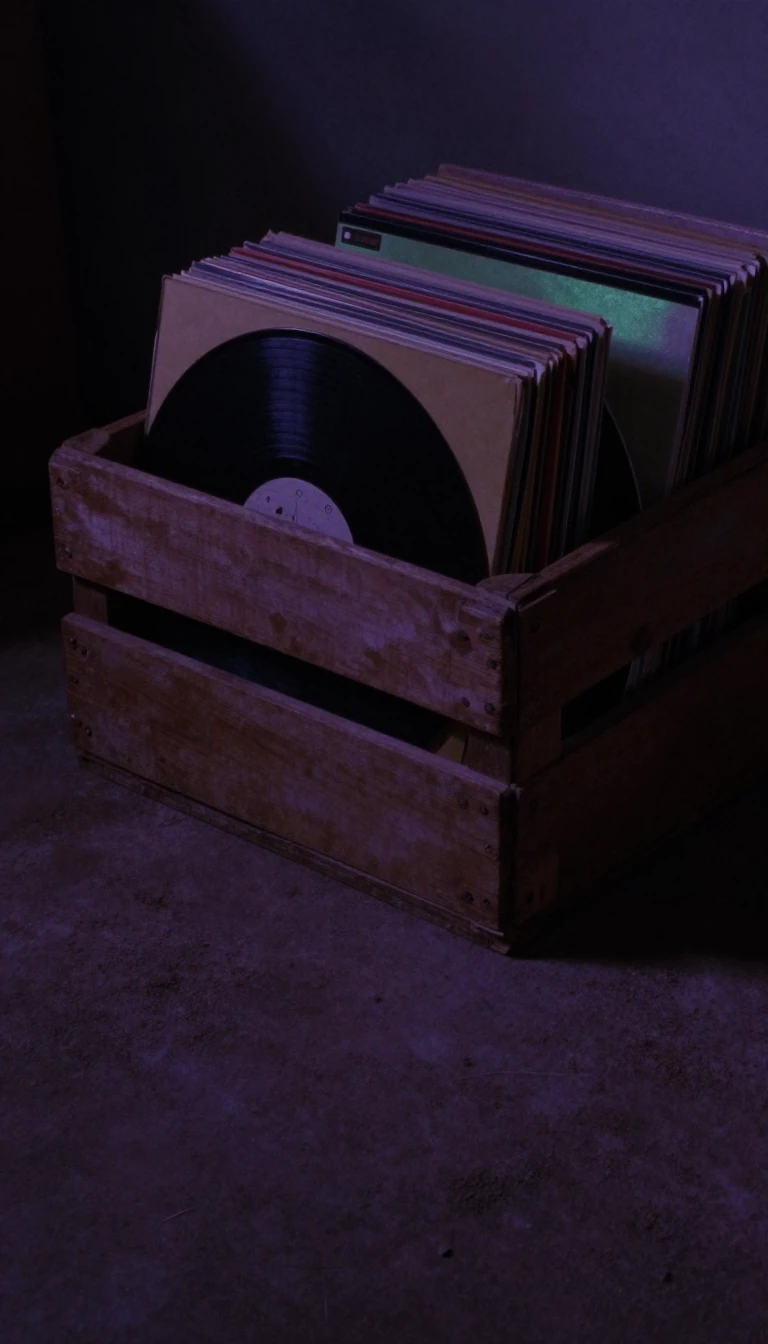
In short: Originally a shorthand for independent record labels in the early 1980s, indie rock transformed from a business model into a genre defined by its ethos. While it once meant music released outside corporate control, it now describes a specific, often experimental, sound that emerged from the underground.
The term indie rock first appeared in a 15 January 1983 Billboard article by Roman Kozak to describe successful independent labels in New York. By the mid-1980s, the genre solidified through the UK's C86 cassette and the underground success of American bands like Sonic Youth and Dinosaur Jr. Early influences were diverse, ranging from the DIY punk ethics of the Buzzcocks and the Desperate Bicycles to the jangle pop of R.E.M. and the Smiths, who are often cited as the earliest indie groups.
As the 1990s progressed, the rise of grunge and Britpop forced a split within the scene. Mainstream success made the independent status of a band a marketing tactic, leading some artists to conform to radio-friendly sounds while others pushed further into experimental territory. During this period, the term indie rock shifted away from its roots in independent distribution to describe a specific musical style. This era saw the emergence of various subgenres, including the minimalist slowcore, the lo-fi aesthetic championed by Pavement, and the slacker rock movement popularized by North Carolina's Superchunk.
Indie rock is also noted for its unique cultural dynamics. Anthropologist Wendy Fonarow identified a dichotomy between a puritan ethos and a romantic one, contrasting the flamboyant British performers with American acts who viewed a lack of virtuosity as a mark of authenticity. While the genre featured a higher proportion of female artists than previous rock movements—exemplified by the riot grrrl scene—critics like Cortney Harding have noted that this equality did not extend to the ownership of record labels. Today, the genre remains a complex legacy of 1980s DIY culture, nostalgia for 1960s garage rock, and a persistent, if contested, independence from mainstream musical values.
Opens the Intellect+ feed with this card first. Swipe up for the next one.
Sources
- Summary by Intellect · source: Indie rock
To cite this card, link to https://intellectplus.co.uk/app/music-indie-rock.
How we source, check and correct cards: Editorial standards.
General information, not professional advice. Spotted an error? Flag the card or see corrections and complaints.
Intellect Plus is a visual educational discovery platform for exploring fascinating facts and ideas. Brain Food, Not Brain Rot. What is Intellect Plus?
Related
More in Music · More in Music · Latest · A–Z · All topics
