How Jimmy Smith transformed the Hammond organ into a jazz and soul powerhouse
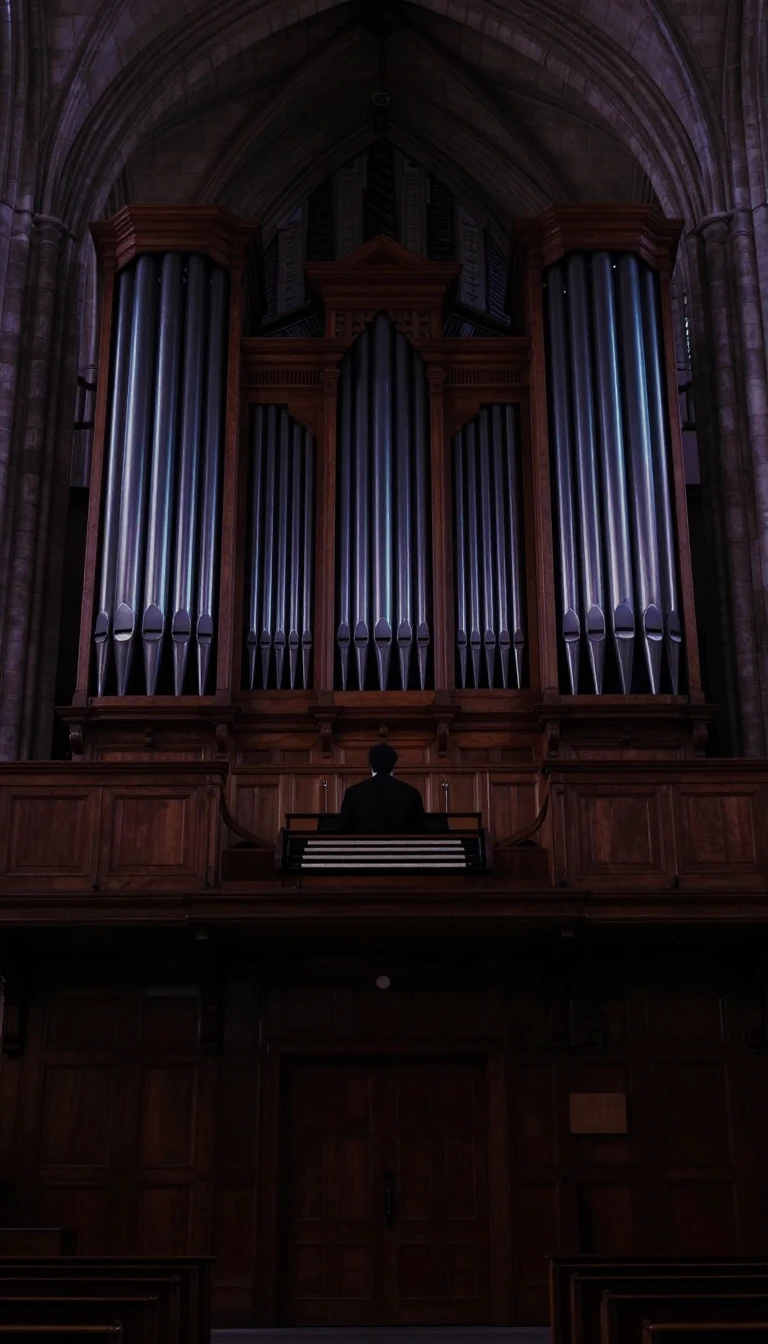
In short: Before Jimmy Smith, the Hammond organ was a curiosity in jazz. After Smith, it became the heartbeat of soul and funk. By mastering complex pedal work and signature drawbar settings, he turned a stationary instrument into a virtuosic voice, influencing everyone from bebop legends to the Beastie Boys.
Born in 1928, James Oscar Smith began his musical journey as a child prodigy, winning a boogie-woogie piano contest at age nine. His pivotal shift occurred in 1954 after witnessing Wild Bill Davis perform, prompting Smith to commit exclusively to the Hammond organ. He famously rented a warehouse for over a year to refine his technique, emerging with a sound that would define the next several decades of jazz.
Smith’s technical innovation lay in his command of the Hammond B-3 and Leslie speaker. He developed a specific drawbar configuration—pulling the first three drawbars on the B preset with added harmonic percussion—that became his sonic signature. For uptempo tracks, he played bass lines on the lower manual while using pedals for rhythmic attack, effectively mimicking the sound of a string bass. This virtuosity allowed him to bridge the gap between complex bebop improvisation and the accessible, bluesy soul that dominated the 1960s.
His influence was immense, spanning generations and genres. He was a prolific recording artist for Blue Note and Verve, producing seminal albums like The Champ and the live record Root Down, which later became a foundational text for hip-hop producers. Beyond his own discography, Smith collaborated with icons including Frank Sinatra, Michael Jackson, and B.B. King. Often cited as the father of acid jazz, he spent his final years mentoring the next generation, including Joey DeFrancesco, before passing away in 2005.
Smith’s legacy is not just in his recordings, but in the enduring sound of the Hammond organ in modern music. From rock keyboardists like Keith Emerson and Jon Lord to the sampling culture of the Beastie Boys, his stylistic fingerprints remain ubiquitous. By the time he received the NEA Jazz Masters Award in 2005, his role in popularizing the electric organ as a legitimate jazz instrument was firmly cemented in music history.
Opens the Intellect+ feed with this card first. Swipe up for the next one.
Sources
- Summary by Intellect · source: Jimmy Smith (musician)
To cite this card, link to https://intellectplus.co.uk/app/music-jimmy-smith-musician.
How we source, check and correct cards: Editorial standards.
General information, not professional advice. Spotted an error? Flag the card or see corrections and complaints.
Intellect Plus is a visual educational discovery platform for exploring fascinating facts and ideas. Brain Food, Not Brain Rot. What is Intellect Plus?
Related
More in Musicians and composers · More in Music · Latest · A–Z · All topics
