Claudio Monteverdi’s L'Orfeo: The First Fully Developed Opera Still Regularly Performed Today
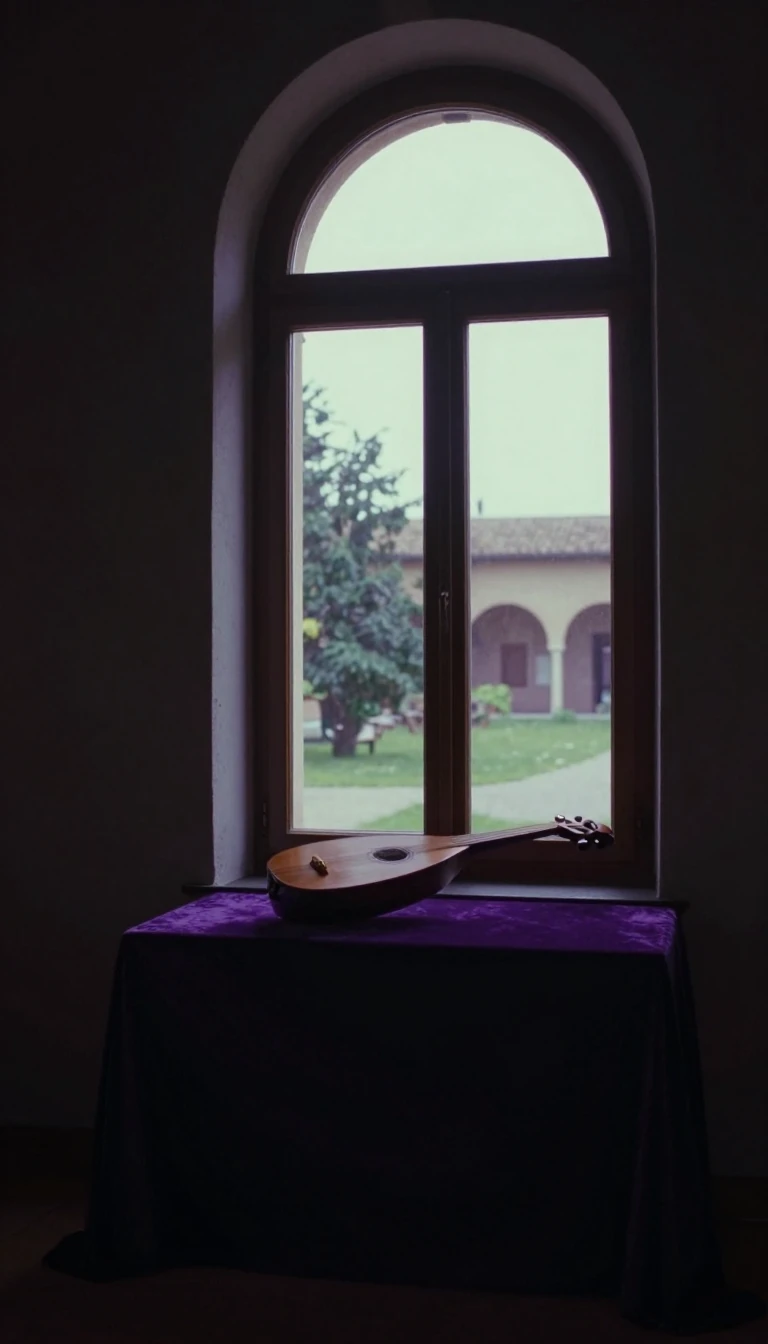
In short: Premiered in 1607, Monteverdi’s L'Orfeo transformed the experimental musical interludes of the Renaissance into a cohesive, dramatic masterpiece. By blending diverse musical styles and orchestral textures, it established the blueprint for the modern opera, remaining the earliest work in the genre that continues to grace stages worldwide four centuries later.
Commissioned for the Mantuan Carnival in 1607, L'Orfeo emerged from a period of intense experimentation. While earlier works like Jacopo Peri’s Dafne and Euridice pioneered the form, Monteverdi’s composition was the first to fully synthesize the era's musical possibilities—including recitative, arias, and complex polyphony—into a unified, mature dramatic structure. The libretto, written by Alessandro Striggio, drew heavily from Ovid’s Metamorphoses and Virgil’s Georgics, though it departed from the source material to suit the demands of courtly entertainment.
The opera’s instrumentation was revolutionary for its time. Monteverdi specified around 41 instruments, organizing them into distinct groups to define the story’s geography. Strings, harpsichords, and recorders evoked the pastoral fields of Thrace, while heavy brass instruments—such as trombones and the regal organ—signaled the dark, ominous atmosphere of the Underworld. This deliberate use of instrumental color allowed the music to mirror the emotional and physical shifts of the narrative, a technique that became a hallmark of the Baroque style.
A notable tension exists regarding the opera's conclusion. Striggio’s original 1607 libretto ended with Orfeo fleeing the wrath of the Bacchantes, a nod to the darker classical myth. However, the 1609 published score features a divine intervention by Apollo, who transports Orfeo to the heavens. Scholars suggest this change was likely Monteverdi’s intended artistic vision, potentially delayed at the premiere due to the physical limitations of the performance space, which could not accommodate the necessary theatrical machinery for an apotheosis.
After Monteverdi’s death in 1643, the work fell into obscurity for centuries. It was not until a 1911 dramatized performance in Paris that L'Orfeo began its modern resurgence. Today, it stands as a testament to Monteverdi’s genius, proving that even in the early 17th century, music could express the deepest inclinations of the human heart with profound, enduring precision.
Opens the Intellect+ feed with this card first. Swipe up for the next one.
Sources
- Summary by Intellect · source: L'Orfeo
To cite this card, link to https://intellectplus.co.uk/app/music-l-orfeo.
How we source, check and correct cards: Editorial standards.
General information, not professional advice. Spotted an error? Flag the card or see corrections and complaints.
Intellect Plus is a visual educational discovery platform for exploring fascinating facts and ideas. Brain Food, Not Brain Rot. What is Intellect Plus?
Related
More in Music · More in Music · Latest · A–Z · All topics
