How a self-funded, 36-hour studio session birthed the blueprint for heavy metal
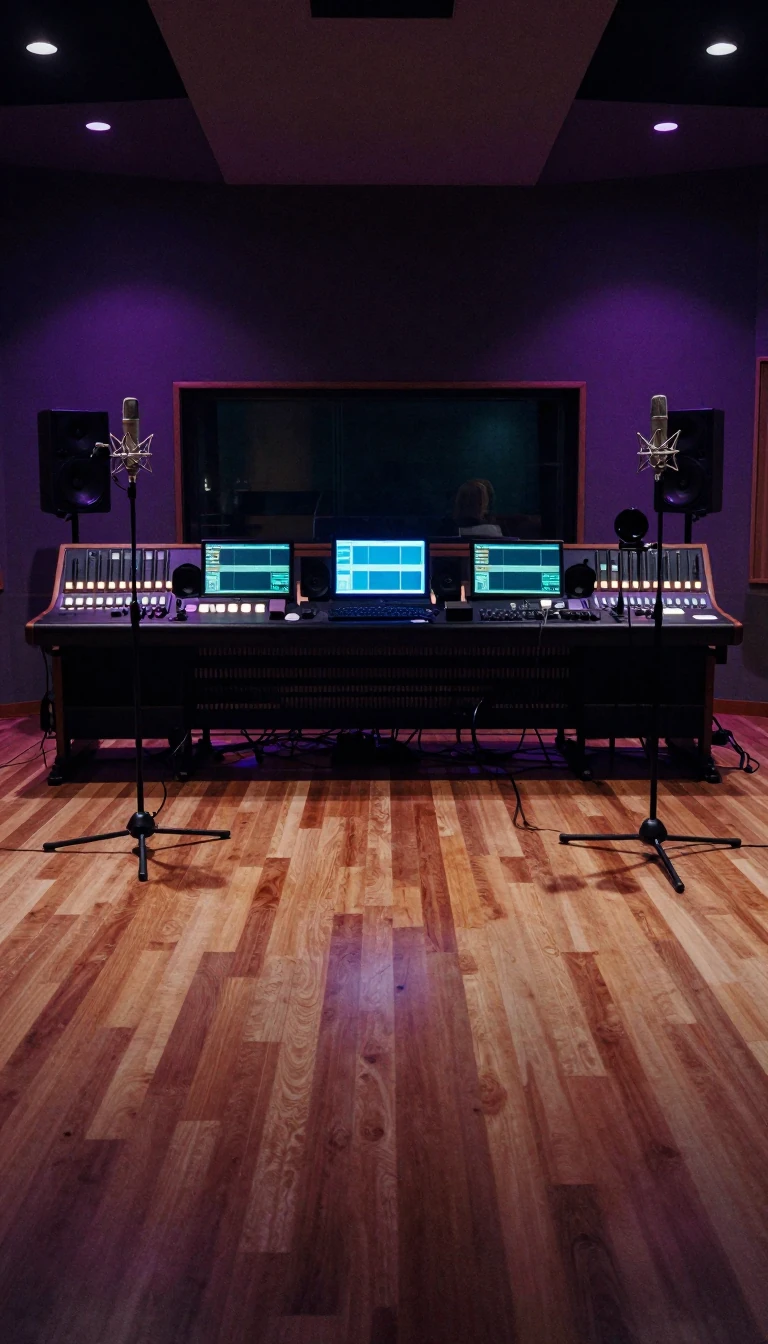
In short: Recorded in just 36 hours for £1,782, Led Zeppelin’s 1969 debut faced scathing initial reviews but ultimately redefined rock. By pioneering ambient microphone placement and blending blues with raw, heavy force, the band created a sonic template that critics and fans would eventually recognize as a monumental turning point in music history.
Formed from the remnants of the Yardbirds in 1968, the band—Jimmy Page, Robert Plant, John Paul Jones, and John Bonham—entered London’s Olympic Studios in September 1968 with a clear vision. Because they lacked a record contract, Page and manager Peter Grant paid for the sessions themselves. This independence allowed Page to experiment with production techniques he had honed as a session musician, most notably his 'distance makes depth' approach. By placing microphones up to 20 feet away from amplifiers, he captured the room’s natural ambience, a departure from the standard practice of close-miking instruments.
The album’s sound was a deliberate fusion of blues and folk, refined during a Scandinavian tour that preceded the recording. Tracks like 'Dazed and Confused' and 'You Shook Me' showcased Page’s innovative use of violin bows and 'reverse echo' production. Despite the technical sophistication, the band’s raw, heavy style initially polarized critics. Rolling Stone famously dismissed the album, comparing it unfavorably to the Jeff Beck Group and labeling Page a 'limited producer.' However, the record’s commercial success was swift, generating 50,000 advance orders in the US and reaching the top 10 on charts in both the UK and the US.
Over time, the album’s legacy shifted from controversial to foundational. Scholars and critics now cite it as a significant catalyst for hard rock and heavy metal. Its influence was cemented by its 2004 induction into the Grammy Hall of Fame and its consistent presence on lists of the greatest albums of all time. Even the iconic cover art—depicting the Hindenburg disaster—became part of the band’s lore, reflecting the 'lead zeppelin' joke that inspired their name. Today, the debut stands as a testament to the power of artistic autonomy, proving that a band’s vision can triumph over both skeptical press and the constraints of the traditional music industry.
Opens the Intellect+ feed with this card first. Swipe up for the next one.
Sources
- Summary by Intellect · source: Led Zeppelin (album)
To cite this card, link to https://intellectplus.co.uk/app/music-led-zeppelin-album.
How we source, check and correct cards: Editorial standards.
General information, not professional advice. Spotted an error? Flag the card or see corrections and complaints.
Intellect Plus is a visual educational discovery platform for exploring fascinating facts and ideas. Brain Food, Not Brain Rot. What is Intellect Plus?
Related
More in Musicians and composers · More in Music · Latest · A–Z · All topics
