How a simple trip to the theater birthed a global musical phenomenon
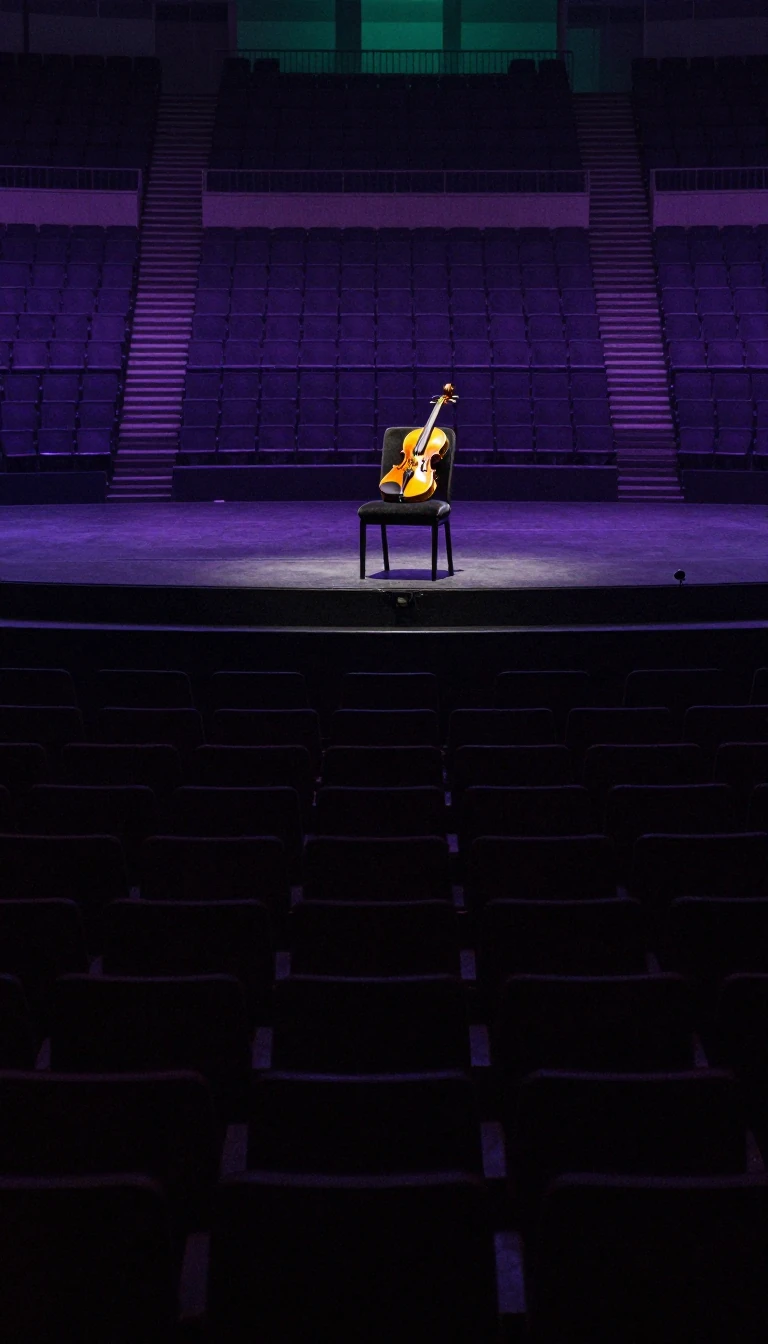
In short: When Alain Boublil watched a performance of Oliver! in London, the sight of the Artful Dodger sparked an immediate vision of Victor Hugo's characters singing on stage. This sudden inspiration led to a concept album, a record-breaking West End run, and one of the most enduring stories in musical theater history.
The journey of Les Misérables began in the late 1970s when librettist Alain Boublil collaborated with composer Claude-Michel Schönberg. After developing a synopsis and analyzing the emotional arcs of Hugo's characters, they recorded a two-hour demo tape. Their 1980 French concept album sold 260,000 copies, setting the stage for a production at the Palais des Sports. However, the show's massive international trajectory truly ignited in 1983, when producer Cameron Mackintosh was approached to create an English-language version.
Mackintosh partnered with the Royal Shakespeare Company, tasking directors Trevor Nunn and John Caird with expanding and reorganizing the material. The English adaptation, featuring lyrics by Herbert Kretzmer, opened at London's Barbican Centre in October 1985. Despite initial harsh reviews from critics who labeled it a lurid melodrama, the public response was overwhelming. The production eventually transferred to the West End, where it has run continuously for decades, becoming the second longest-running musical globally.
The narrative follows Jean Valjean, a convict who breaks parole after an act of mercy from a bishop inspires him to seek redemption. His life becomes inextricably linked with the police inspector Javert and the turbulent political climate of 1832 Paris. As students prepare for an uprising, Valjean's personal quest for salvation intersects with the fates of Cosette, Marius, and the tragic Éponine. The musical concludes with Valjean finding peace, guided by the realization that loving another human is akin to witnessing the divine.
The show's iconic emblem—a portrait of the young Cosette—is based on an 1879 illustration by Émile Bayard. Beyond its stage success, the musical has left a profound mark on popular culture, winning eight Tony Awards for its 1987 Broadway debut and inspiring a 2012 film adaptation. Its enduring appeal lies in its exploration of justice, sacrifice, and the resilience of the human spirit against the backdrop of revolutionary France.
Opens the Intellect+ feed with this card first. Swipe up for the next one.
Sources
- Summary by Intellect · source: Les Misérables (musical)
To cite this card, link to https://intellectplus.co.uk/app/music-les-mis-rables-musical.
How we source, check and correct cards: Editorial standards.
General information, not professional advice. Spotted an error? Flag the card or see corrections and complaints.
Intellect Plus is a visual educational discovery platform for exploring fascinating facts and ideas. Brain Food, Not Brain Rot. What is Intellect Plus?
Related
More in Music · More in Music · Latest · A–Z · All topics
