How the Renaissance madrigal transformed from simple songs into a complex emotional language
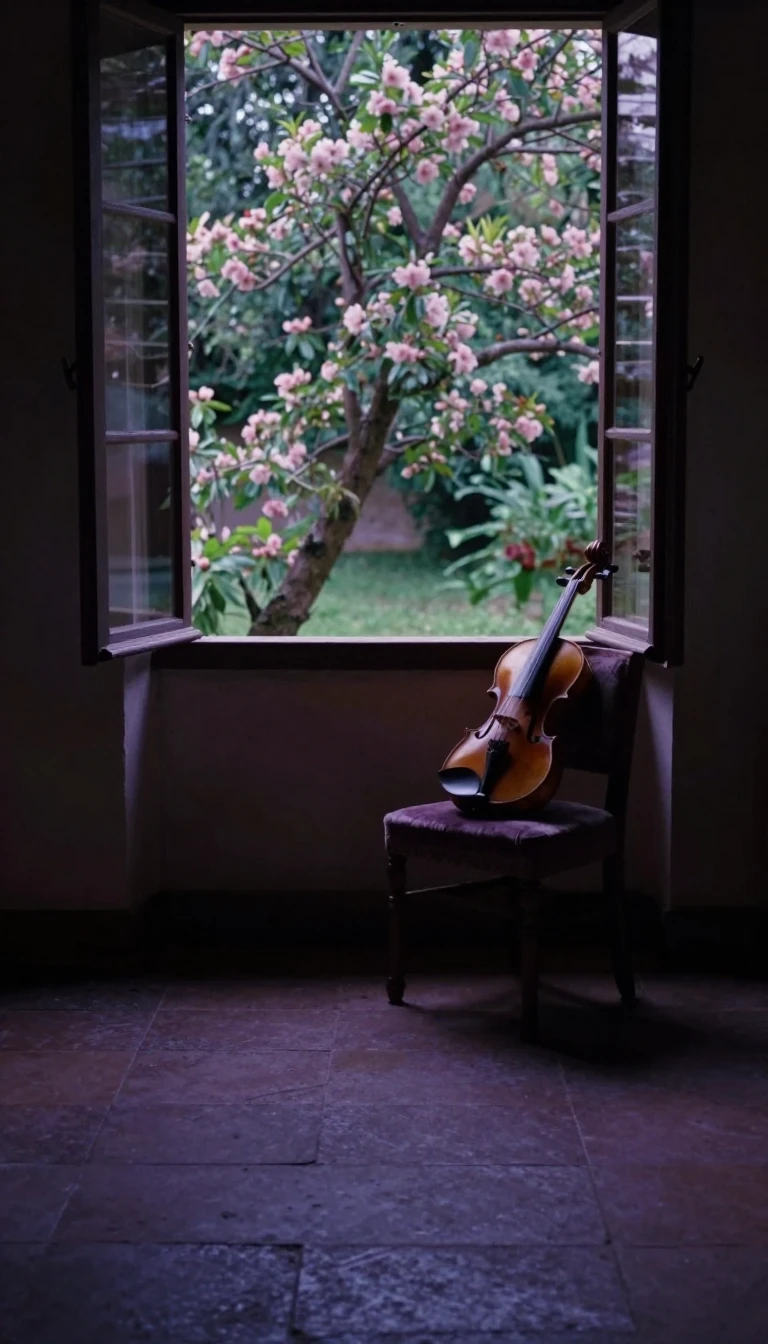
In short: The madrigal was the defining secular music of the Renaissance, evolving from simple Italian folk-inspired songs into a sophisticated, polyphonic art form. By prioritizing the emotional weight of poetry, composers turned every note into a reflection of the text, eventually pushing the genre to its expressive limits before its decline.
The madrigal originated in 14th-century Italy as a vocal chamber music form, though it largely vanished in the 15th century before experiencing a massive revival in the 16th century. While the 14th-century version followed a strict AAB structure, the later Renaissance madrigal was defined by its flexibility. It was through-composed, meaning the music changed to match the shifting emotions of the poem rather than repeating the same melody for every stanza. This shift allowed composers to treat the text with unprecedented sensitivity, using techniques like word painting to mirror specific concepts such as joy or anger.
This evolution was driven by a convergence of humanist trends, including a renewed focus on high-quality Italian vernacular poetry by writers like Petrarch and Boccaccio. Franco-Flemish composers working in Italy, such as Adriaan Willaert and his pupil Cipriano de Rore, played a crucial role by introducing complex polyphonic techniques to the genre. As the century progressed, the music became increasingly subservient to the text. Composers like Luca Marenzio achieved a perfect equilibrium between the two, while Don Carlo Gesualdo pushed the style toward such extreme emotional intensity that it eventually exhausted the genre's possibilities.
While the madrigal was an international phenomenon, England was the only nation to develop a robust native tradition. Following the 1588 publication of Nicholas Yonge’s 'Musica Transalpina,' which introduced Italian works to English audiences, composers like Thomas Morley adapted the style to suit local tastes. English madrigalists often favored a lighter, more accessible mood compared to their Italian counterparts. By the early 17th century, however, the rise of the aria in opera began to displace the madrigal, marking the end of its reign as the primary form of secular vocal expression.
Opens the Intellect+ feed with this card first. Swipe up for the next one.
Sources
- Summary by Intellect · source: Madrigal | Renaissance, Polyphonic & Secular Styles | Britannica
- Also: Madrigal
To cite this card, link to https://intellectplus.co.uk/app/music-madrigal.
How we source, check and correct cards: Editorial standards.
General information, not professional advice. Spotted an error? Flag the card or see corrections and complaints.
Intellect Plus is a visual educational discovery platform for exploring fascinating facts and ideas. Brain Food, Not Brain Rot. What is Intellect Plus?
Related
More in Music · More in Music · Latest · A–Z · All topics
