The 'no chords' rule that defined a synth-pop masterpiece
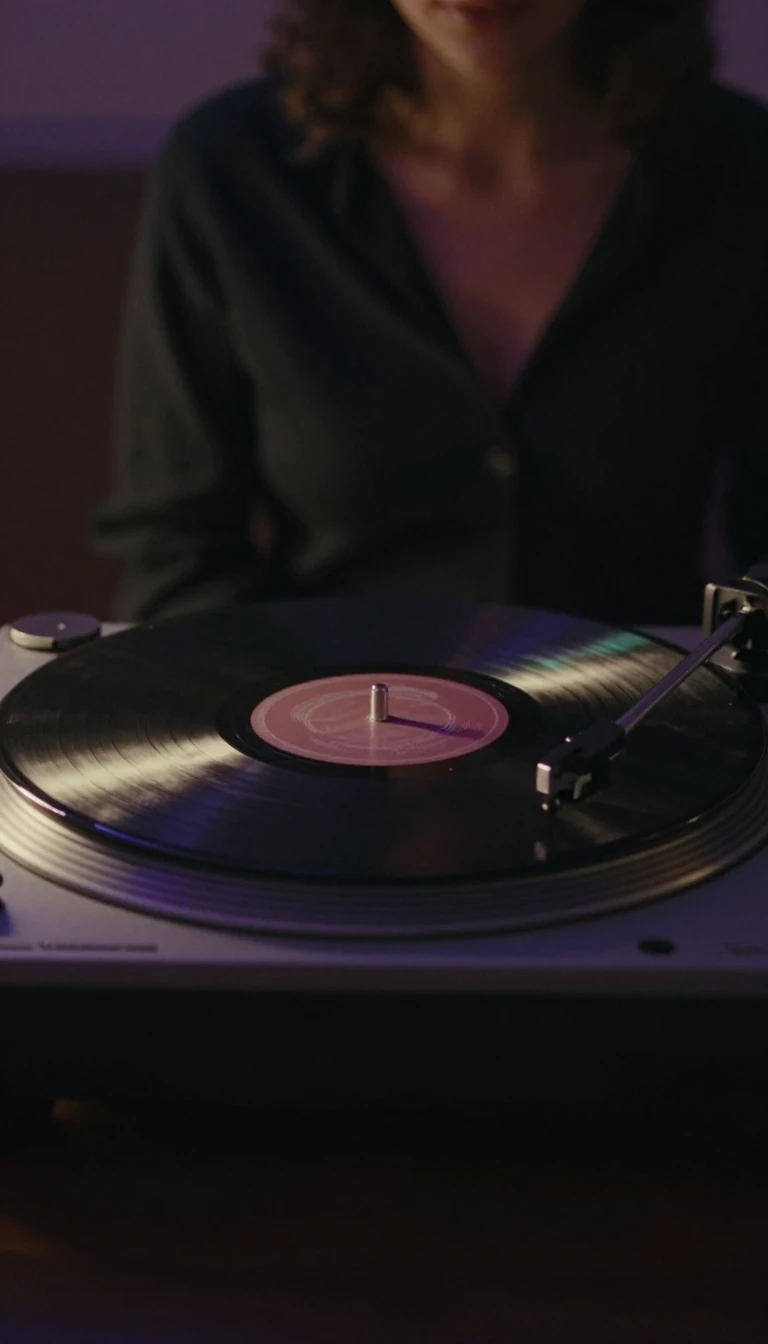
In short: Depeche Mode didn't just record an album; they engineered a sonic laboratory. To achieve their signature 'electronic metal' sound, they imposed strict creative constraints—like banning chords and presets—forcing them to build every note from the ground up using vintage hardware and found sounds.
Released in 1987, Music for the Masses marked a pivotal shift for Depeche Mode. Moving away from the tense production of their previous work, the band sought a 'relaxed' atmosphere, yet maintained a rigorous creative discipline. They hired David Bascombe as an engineer-producer to help realize a vision steered by band member Alan Wilder. This era saw the band embrace a more 'epic' and 'orchestral' sound, blending dark, introspective themes with expansive production techniques that eventually helped them achieve major commercial success in the United States.
The album's unique texture was born from a series of self-imposed restrictions. The band followed a 'no chords' rule, requiring them to assemble every chord from separate monophonic parts. They also enforced 'no presets,' 'no hi-hats,' and a mandate that all samples must be original and never used twice. To find new sounds, they recorded in unconventional locations, including the streets of Paris and an old stairwell at Konk Studios in London. They even sampled old instruments from a converted theater, such as a grand piano and orchestral bass drums, to build a custom library of sounds.
The recording process was a deliberate three-step cycle: songwriter Martin Gore wrote the basic demos at home, Wilder arranged them in his home studio, and the band then convened to record the final versions. This method allowed for a high level of intentionality, where even the closing track, 'Little 15,' was restructured to mimic the cinematic style of Michael Nyman's film scores. By combining these strict rules with high-end gear like the Fairlight CMI and the 'noise machine' EMS Synthi AKS, the band created a first-of-its-kind entirely digital recording that remains a benchmark for electronic production.
While the album was a commercial triumph—selling over 5.5 million copies globally by 2023—it was also a masterclass in creative friction. The band deliberately chose to record at Studio Guillaume Tell in Paris specifically to try new things, despite the 'dingy' facilities. This commitment to novelty and technical precision transformed them from mainstream outsiders into icons of sophisticated electronic music.
Opens the Intellect+ feed with this card first. Swipe up for the next one.
Sources
- Summary by Intellect · source: Music for the Masses
To cite this card, link to https://intellectplus.co.uk/app/music-music-for-the-masses.
How we source, check and correct cards: Editorial standards.
General information, not professional advice. Spotted an error? Flag the card or see corrections and complaints.
Intellect Plus is a visual educational discovery platform for exploring fascinating facts and ideas. Brain Food, Not Brain Rot. What is Intellect Plus?
Related
More in Music · More in Music · Latest · A–Z · All topics
