Nigeria's musical landscape is a vast, complex tapestry woven from over 250 distinct ethnic groups.
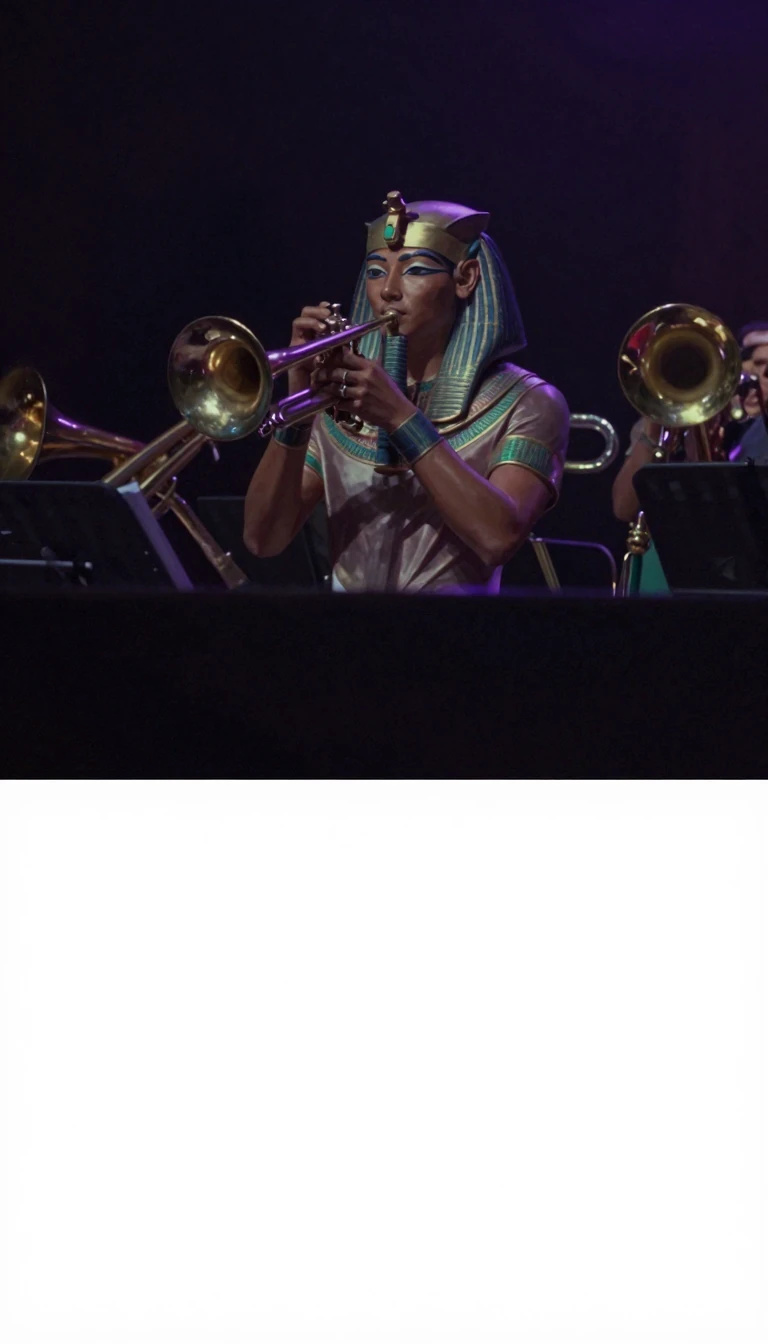
In short: From the rhythmic work songs of northern farmers to the sophisticated, guitar-driven jùjú of Lagos, Nigerian music is deeply functional and culturally diverse. It serves as a vital tool for communication, ritual, and storytelling, evolving through centuries of internal tradition and external influence to shape the modern global soundscape.
Nigerian music is fundamentally tied to the country's social fabric. Among the over 250 ethnic groups, music is rarely performed for mere artistic display; instead, it is functional, marking life events like weddings, funerals, and agricultural cycles. In the north, Hausa traditions are heavily influenced by Islamic culture, featuring monodic music, praise singing, and the iconic, elongated Kakaki trumpet—a symbol of military power originally used by the Songhai cavalry. Conversely, the southern regions are characterized by complex rhythms, solo melody instruments, and diverse percussion ensembles.
The 20th century saw a rapid evolution in popular music, driven by urban centers like Lagos and Ibadan. Styles such as palm-wine music emerged in the early 1900s, blending local traditions with Brazilian and European influences. By the 1930s, the genre known as jùjú had taken root, eventually becoming a dominant force. Pioneers like I.K. Dairo revolutionized the sound by incorporating electric instruments and accordion, while later stars like Ebenezer Obey and King Sunny Adé expanded ensembles to over 30 members, pushing tracks to lengths exceeding 20 minutes and introducing innovative techniques like Jamaican dub-inspired rhythms.
The development of genres like fuji and highlife further illustrates this multicultural synthesis. Fuji, which emerged in the late 1960s, was named after Mount Fuji for its sound and functions as a guitar-less evolution of apala, a traditional Muslim Yoruba style. Meanwhile, highlife—popularized among the Igbo—became a pan-African phenomenon, with Prince Nico Mbarga’s 'Sweet Mother' selling over 13 million copies. This tradition of innovation continues into the modern era, where film scoring techniques like 'prefiguring'—popularized by Stanley Okorie—use repetitive motifs to foreshadow plot events, drawing directly from the storytelling heritage of Nigeria’s indigenous communities.
Today, Nigerian music remains a dynamic field where traditional instruments like the talking drum, xylophone, and slit drum coexist with modern electric guitars and synthesizers. Whether through the theatrical use of personal theme songs in literary drama or the rhythmic pounding of yams, music remains an inseparable component of the Nigerian experience, constantly adapting to reflect the nation's evolving identity.
Opens the Intellect+ feed with this card first. Swipe up for the next one.
Sources
- Summary by Intellect · source: Music of Nigeria
To cite this card, link to https://intellectplus.co.uk/app/music-music-of-nigeria.
How we source, check and correct cards: Editorial standards.
General information, not professional advice. Spotted an error? Flag the card or see corrections and complaints.
Intellect Plus is a visual educational discovery platform for exploring fascinating facts and ideas. Brain Food, Not Brain Rot. What is Intellect Plus?
Related
More in Music · More in Music · Latest · A–Z · All topics
