How the Beatles transformed the recording studio into a revolutionary musical instrument in 1966
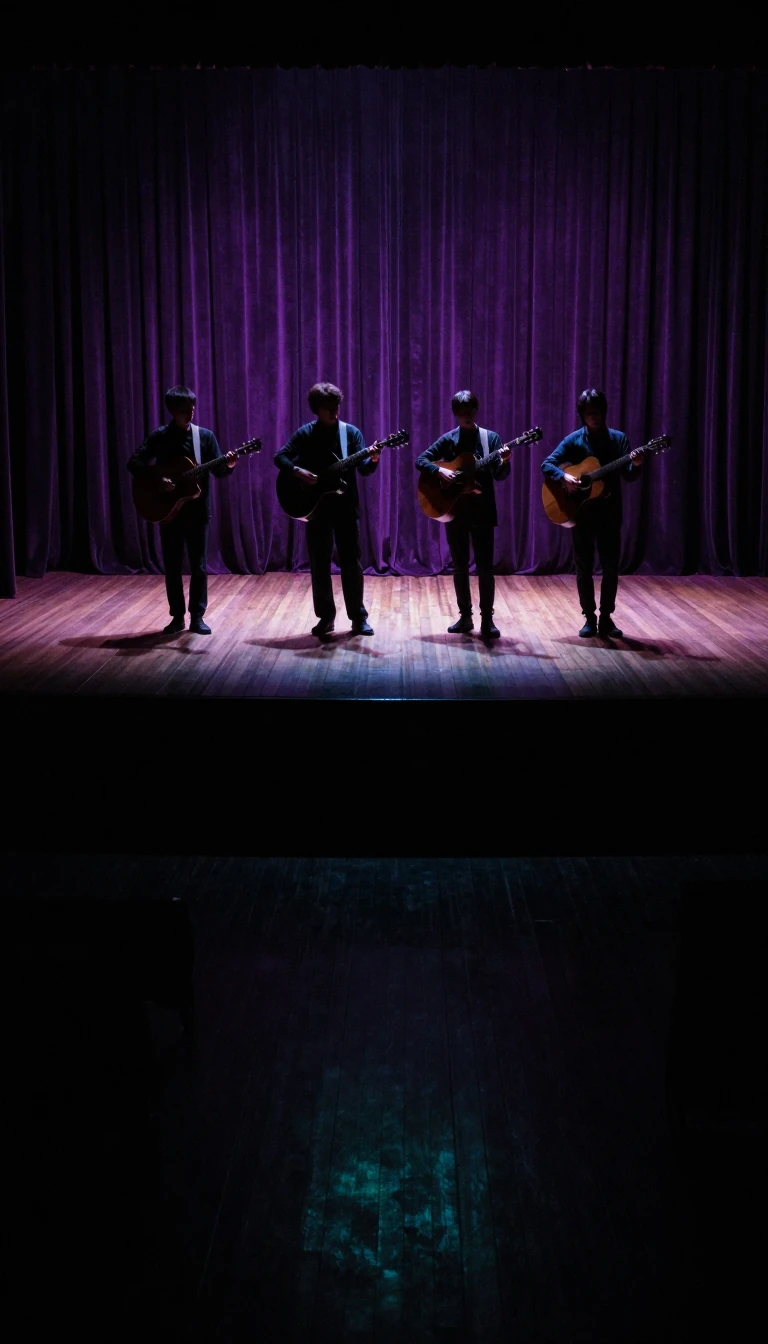
In short: Released in August 1966, Revolver marked the Beatles' final studio project before retiring from live performance. By abandoning the constraints of concert-ready arrangements, the band pioneered studio techniques like automatic double tracking and reversed tapes, effectively turning the recording process itself into a creative tool that redefined popular music forever.
Following a three-month break in early 1966, the Beatles utilized an unprecedented amount of time to experiment at EMI's Abbey Road studios. Producer George Martin shifted from a traditional director to a collaborator, facilitating the band's desire to create soundscapes without the limitations of live reproduction. This period saw the introduction of nine major recording innovations, including close-miked drums, backwards recording, and automatic double tracking (ADT), a technique invented by Ken Townsend on 6 April 1966 to replace the tedious manual process of doubling vocal tracks.
The album's sonic landscape was heavily influenced by the band's immersion in London's avant-garde scene and their exploration of hallucinogenic drugs. Tracks like 'Tomorrow Never Knows' pushed boundaries by incorporating tape loops, heavy Indian drone, and vocals processed through Leslie speakers. Engineer Geoff Emerick played a crucial role, dampening drums with clothing and placing microphones just 3 inches from drumheads to achieve a 'biting' sound. These methods were so radical that they forced studios worldwide to overhaul their own equipment to replicate the Beatles' innovative textures.
Lyrically, the album represented a departure from standard love songs, instead exploring themes of death, loneliness, and transcendence. George Harrison emerged as a significant songwriter, with 'Taxman' serving as a protest against the 95 per cent marginal tax rate on unearned income under Harold Wilson's government. Meanwhile, Paul McCartney's 'Eleanor Rigby' utilized a string octet inspired by Bernard Herrmann's score for the film Psycho. By blending these diverse influences—from Hindustani classical music to musique concrète—Revolver not only captured the spirit of the 1960s counterculture but also laid the groundwork for genres ranging from psychedelic rock to electronica.
Opens the Intellect+ feed with this card first. Swipe up for the next one.
Sources
- Summary by Intellect · source: Revolver (Beatles album)
To cite this card, link to https://intellectplus.co.uk/app/music-revolver-beatles-album.
How we source, check and correct cards: Editorial standards.
General information, not professional advice. Spotted an error? Flag the card or see corrections and complaints.
Intellect Plus is a visual educational discovery platform for exploring fascinating facts and ideas. Brain Food, Not Brain Rot. What is Intellect Plus?
Related
More in UK & Ireland: music · More in Music · Latest · A–Z · All topics
