How a stalled ferry and a rejected demo launched the rock and roll revolution
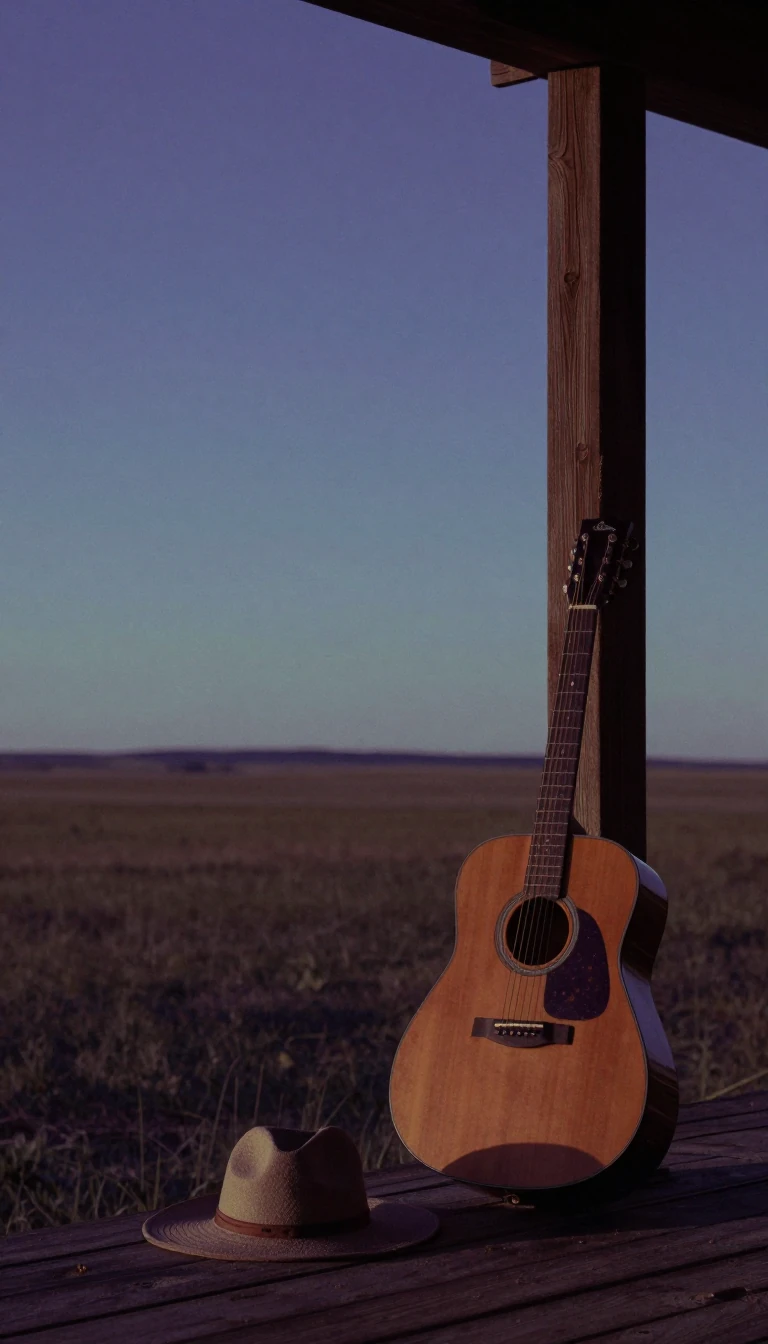
In short: Bill Haley’s 1954 recording of Rock Around the Clock was initially a commercial failure, relegated to a B-side. It took a starring role in a teen-focused film to ignite a global phenomenon, transforming the track into a cultural anthem that defined the sound of a generation for decades to come.
Written in late 1952 by Max C. Freedman and James E. Myers, the song was originally intended for Bill Haley. However, legal disputes and resistance from his producer, Dave Miller, prevented an early recording. It was not until April 12, 1954, that Haley, now signed to Decca Records, finally recorded the track. The session was fraught with difficulty; the band nearly missed the appointment after their ferry became stuck on a sandbar, and producer Milt Gabler initially prioritized a different song, Thirteen Women, for the A-side.
The recording process itself was unconventional. Because the band’s first take was poorly balanced, engineers spliced together two separate performances to create the final master. Despite its eventual status as a global touchstone, the record was a commercial disappointment upon its initial May 1954 release. Its trajectory shifted only after the song was featured in the 1955 film Blackboard Jungle. Producers had discovered the record in the collection of Peter Ford, the young son of the film's star, Glenn Ford, seeking an authentic sound for the youth of the era.
The song’s impact was unprecedented, becoming the first rock and roll track to top the Billboard pop charts in July 1955. It remained at the number one spot for eight weeks and achieved massive success in the United Kingdom, where it became the nation's first million-selling single. Estimates suggest that across all versions, the song has sold roughly 25 million copies, with Haley’s original recording accounting for approximately 15 million of those sales. Its enduring legacy was cemented in 2018 when the Library of Congress selected it for preservation in the National Recording Registry.
While often cited as the definitive rock and roll record, historians note that the song functioned more as a bridge that brought an established, raucous rhythm and blues sound into the mainstream. Its influence was so profound that it appeared on sales charts in five consecutive decades, remaining a staple of film soundtracks and cultural tributes long after Haley’s death in 1981.
Opens the Intellect+ feed with this card first. Swipe up for the next one.
Sources
- Summary by Intellect · source: Rock Around the Clock
To cite this card, link to https://intellectplus.co.uk/app/music-rock-around-the-clock.
How we source, check and correct cards: Editorial standards.
General information, not professional advice. Spotted an error? Flag the card or see corrections and complaints.
Intellect Plus is a visual educational discovery platform for exploring fascinating facts and ideas. Brain Food, Not Brain Rot. What is Intellect Plus?
Related
More in Music · More in Music · Latest · A–Z · All topics
