Why surviving a tragedy can feel like a punishment rather than a gift
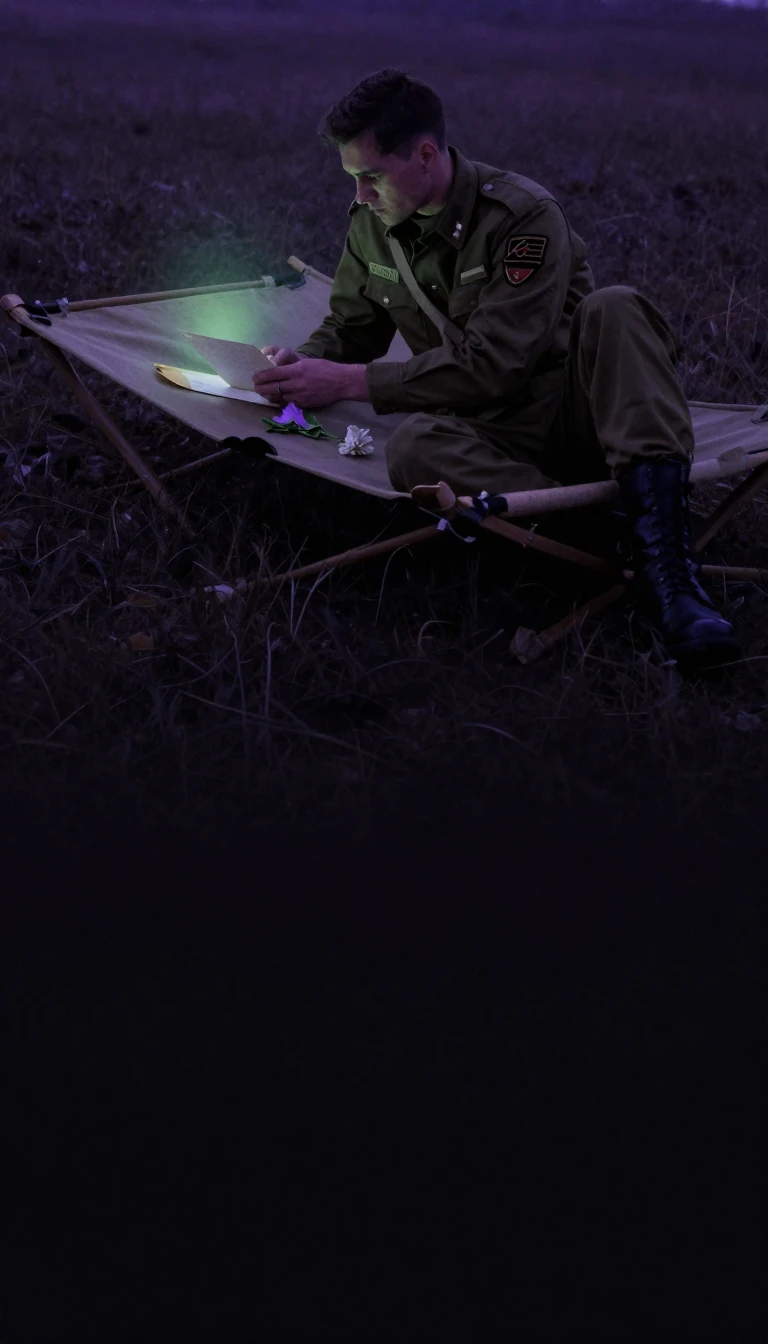
In short: Survivor guilt is a profound psychological burden where individuals feel responsible for surviving a traumatic event while others perished. Though no longer a standalone diagnosis, it remains a critical symptom of post-traumatic stress disorder, haunting survivors of everything from natural disasters to the loss of close friends and colleagues.
First identified in the 1960s by Dr. William G. Niederland, survivor guilt was initially used to describe the psychological distress of Holocaust survivors. These individuals often felt a sense of punishment for outliving their loved ones, a condition later termed concentration camp syndrome. In 1949, Dutch psychiatrist Eddy de Wind documented the unique, chronic after-effects of this experience, noting that symptoms like anxiety, depression, and social withdrawal often intensified as survivors aged. Today, the condition is subsumed under the broader diagnosis of post-traumatic stress disorder (PTSD) within the Diagnostic and Statistical Manual of Mental Disorders.
The manifestations of this guilt are complex. Psychologist Stephen Joseph, studying survivors of the 1987 MS Herald of Free Enterprise capsizing, identified three distinct layers: guilt for staying alive, guilt for failing to act, and guilt for actions taken to survive, such as scrambling over others. These feelings can lead to intrusive memories or, conversely, a desperate need to avoid reminders of the trauma. The weight of this experience is not limited to disaster survivors; it affects rescue personnel, therapists, and those who lose loved ones in accidents or war.
The consequences can be devastating. For many, the guilt is inextricably linked to depression, anxiety, and suicidal ideation. High-profile cases, such as the 1959 plane crash that claimed Buddy Holly and the Big Bopper, illustrate how even a casual, jesting exchange can haunt a survivor for decades. Similarly, the 1989 Hillsborough disaster and the 2018 Stoneman Douglas High School shooting left survivors grappling with intense responsibility for the lives of friends. Whether through the poetry of Charles Causley, who avoided his fallen friend's mother for years, or the tragic suicides of those unable to reconcile their survival, the condition remains a silent, enduring shadow of trauma.
Opens the Intellect+ feed with this card first. Swipe up for the next one.
Sources
- Summary by Intellect · source: Survivor guilt
To cite this card, link to https://intellectplus.co.uk/app/music-survivor-guilt.
How we source, check and correct cards: Editorial standards.
General information, not professional advice. Spotted an error? Flag the card or see corrections and complaints.
Intellect Plus is a visual educational discovery platform for exploring fascinating facts and ideas. Brain Food, Not Brain Rot. What is Intellect Plus?
Related
More in Musicians and composers · More in Music · Latest · A–Z · All topics
