How composers use the spacing of notes to manipulate your emotions
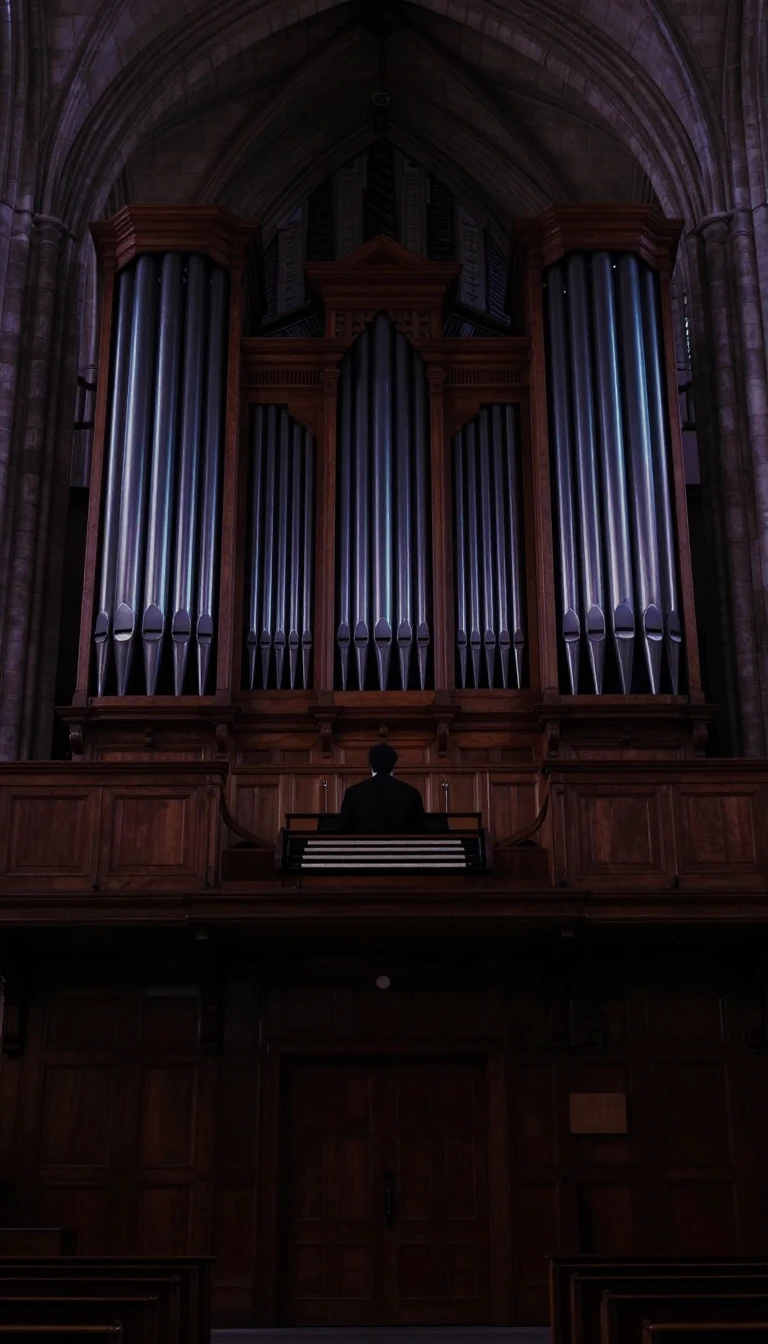
In short: The notes in a chord are not just pitches; their vertical arrangement, known as voicing, dictates the very soul of a piece. From the terrifying gaps in a Beethoven sonata to the mystical intensity of a piano duet, the distance between notes can transform a simple triad into something haunting or divine.
In music theory, voicing describes how notes and chords are distributed across instruments. This involves the vertical placement of notes, their spacing, and doubling—the practice of playing the same pitch in different octaves or on different instruments. Composers use these techniques to create specific sonorities. For example, Ludwig van Beethoven’s early Piano Sonata No. 10 (1798) utilizes mostly close position voicings, where notes are tightly packed. In contrast, his final works, such as Piano Sonata No. 32, Op. 111 (1822), employ wide, daring gaps to create a sense of mystical intensity.
The extremes of voicing can be startling. In the Hammerklavier Sonata, Op. 106, Beethoven laid music four or five octaves apart to enhance a sense of strangeness. Similarly, Igor Stravinsky’s Symphony of Psalms uses extraordinary spacing: an E minor triad with a minor third doubled across four octaves creates a 'perverse' effect, while a later C major chord uses a root doubled in five octaves to achieve super-clarity. Even Charles Ives used wide spacing in The Unanswered Question to represent the 'Silence of the Druids'.
Modern musicians also use 'drop' nomenclature to describe voicings built from the top down. A drop-2 voicing lowers the second voice by one octave. These are particularly useful for jazz guitarists, as they allow for easier movement across the fingerboard during complex chord progressions. Beyond the piano, orchestration relies on doubling to blend timbres, such as the unison oboe and clarinet in Schubert’s Symphony No. 8, or the complex three-octave span of flutes and bassoons in Mozart’s Piano Concerto No. 24.
Opens the Intellect+ feed with this card first. Swipe up for the next one.
Sources
- Summary by Intellect · source: Voicing (music)
To cite this card, link to https://intellectplus.co.uk/app/music-voicing-music.
How we source, check and correct cards: Editorial standards.
General information, not professional advice. Spotted an error? Flag the card or see corrections and complaints.
Intellect Plus is a visual educational discovery platform for exploring fascinating facts and ideas. Brain Food, Not Brain Rot. What is Intellect Plus?
Related
More in Music · More in Music · Latest · A–Z · All topics
