How a 2013 film became a definitive, unflinching portrait of American slavery
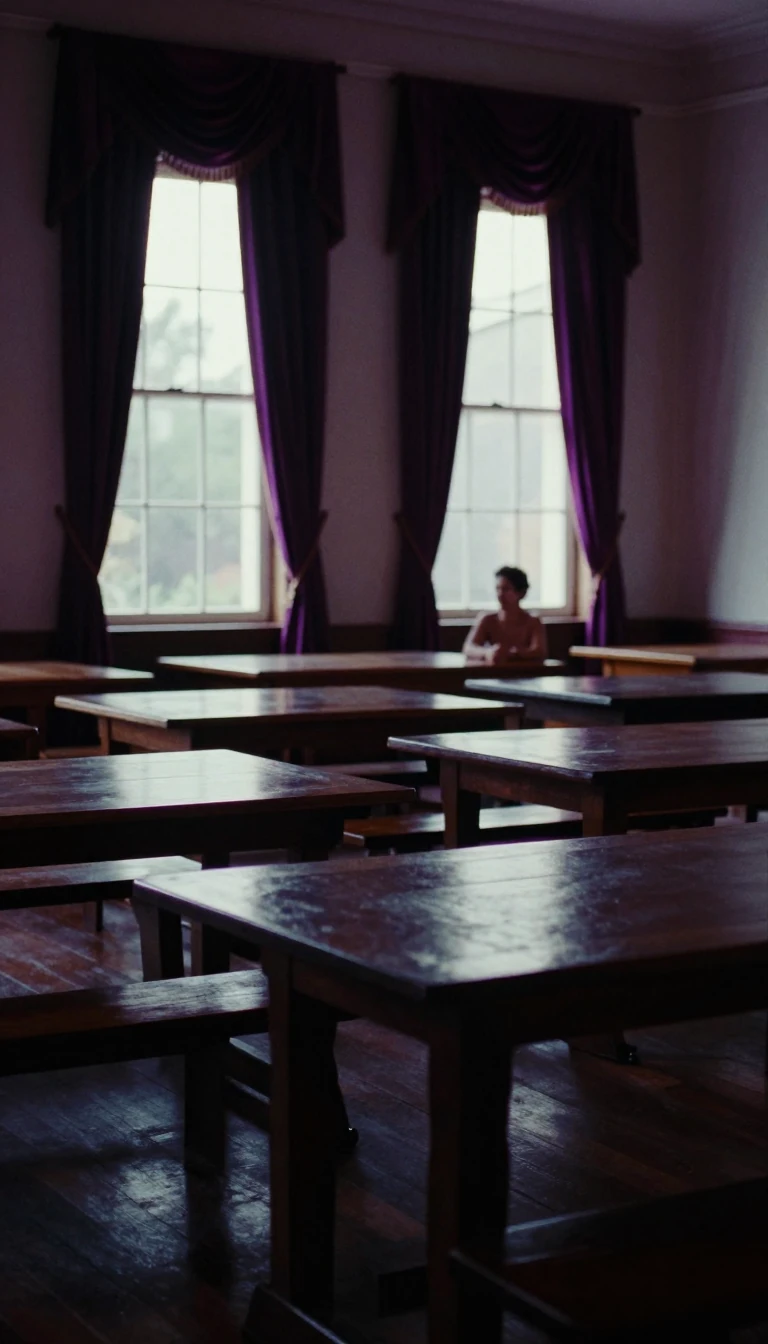
In short: Director Steve McQueen’s 12 Years a Slave transformed Solomon Northup’s 1853 memoir into a visceral cinematic experience. By filming on historic Louisiana plantations and prioritizing historical accuracy, the production earned universal acclaim, three Academy Awards, and a permanent place in the United States National Film Registry for its profound cultural significance.
The film follows the true story of Solomon Northup, a free Black violinist from Saratoga Springs, New York, who was kidnapped in 1841 and sold into bondage in the South. For 12 years, Northup endured the brutality of plantation life under owners like William Ford and Edwin Epps. His eventual rescue, facilitated by a Canadian laborer named Samuel Bass, allowed him to return to his family and publish his narrative in 1853.
Director Steve McQueen sought to move beyond typical documentary aesthetics, drawing visual inspiration from the paintings of Francisco Goya to confront the viewer with the reality of slavery. To maintain authenticity, the production team used earth samples from the filming locations to color-match costumes and employed dialect coaches to capture the era's specific speech patterns. The film was shot on 35 mm film, utilizing widescreen cinematography to emphasize the epic scale of Northup's struggle for endurance.
While the film is widely cited as one of the most accurate depictions of slavery ever produced, it has sparked academic discussion regarding the balance between historical fact and dramatic license. Scholars have noted that while the film captures the 'sights and sounds' of the era, certain scenes were interpolated to provide psychological depth. Despite these creative choices, the film remains a landmark work, recognized by the Library of Congress in 2023 for its aesthetic and historical importance.
The project’s success was both critical and commercial, grossing over $187 million against a $22 million budget. Beyond its financial performance, the film broke barriers; McQueen became the first Black producer and director to win the Academy Award for Best Picture. By grounding the narrative in the physical spaces where Northup was held, the filmmakers created a haunting, necessary meditation on the consistent evils of the slave system.
Opens the Intellect+ feed with this card first. Swipe up for the next one.
Sources
- Summary by Intellect · source: 12 Years a Slave (film)
- Also: 12 Years a Slave | Plot, Cast, Awards, & Facts | Britannica
- Also: Wikidata — 12 Years a Slave · CC0
To cite this card, link to https://intellectplus.co.uk/app/places-12-years-a-slave-film.
How we source, check and correct cards: Editorial standards.
General information, not professional advice. Spotted an error? Flag the card or see corrections and complaints.
Intellect Plus is a visual educational discovery platform for exploring fascinating facts and ideas. Brain Food, Not Brain Rot. What is Intellect Plus?
Related
More in Cities · More in Countries & Cities · Latest · A–Z · All topics
