How India managed its first massive democratic experiment in 1951
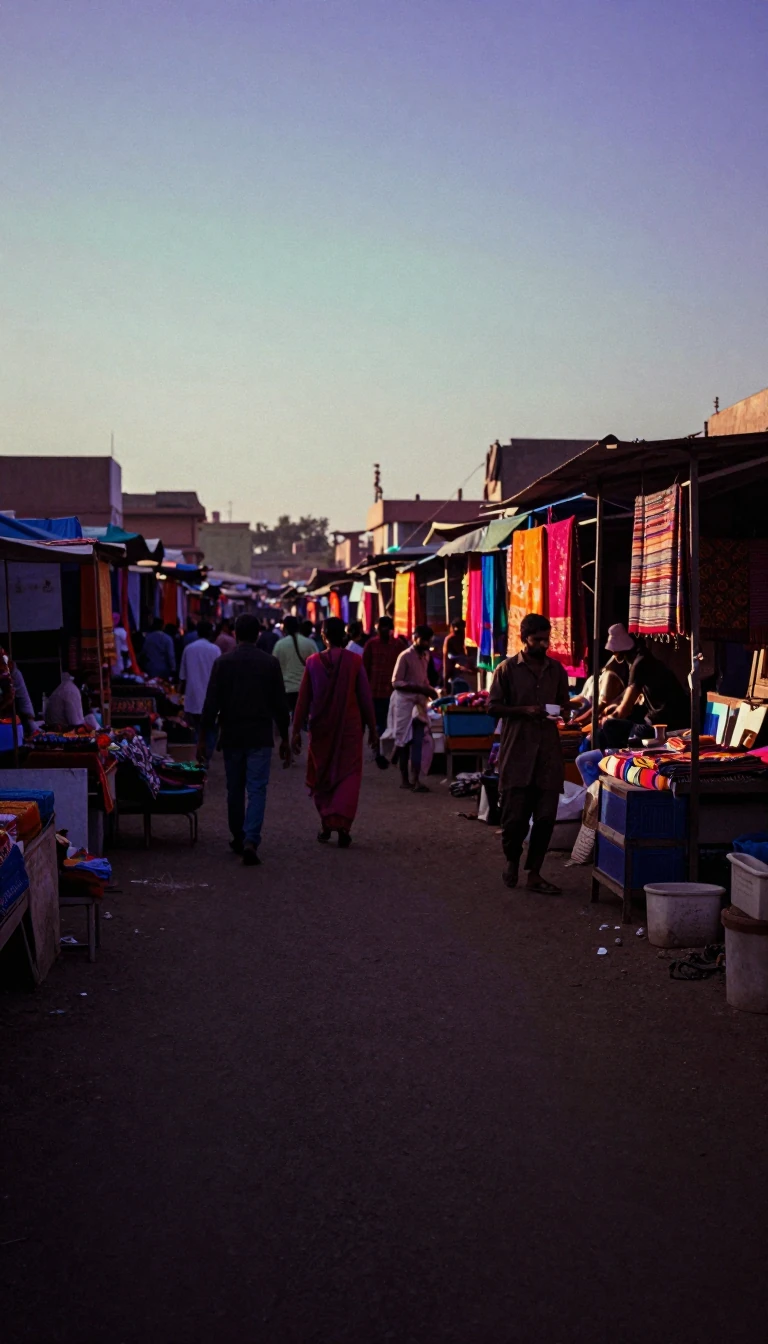
In short: In the wake of independence, India launched a staggering electoral undertaking. With nearly 174 million registered voters and a landscape of immense logistical hurdles, the 1951–52 general election was the largest of its time, testing the very foundations of a newly adopted constitution.
Following the adoption of the Indian Constitution on 26 November 1949, the nation prepared for its first national elections under a full universal franchise. Managed by the first Chief Election Commissioner, Sukumar Sen, the process was governed by the Representation of the People Act. The election was not a single event but a marathon of 68 phases, necessitated by challenging logistics and harsh climates. For instance, Himachal Pradesh voted as early as 1951 to avoid the heavy snow of late winter, while the first votes were cast in the Chini tehsil.
The scale of the operation was unprecedented. To manage the electorate, 16,500 clerks were hired for six months to process rolls that required 380,000 reams of paper. The system utilized a first-past-the-post method across 401 constituencies. While most seats elected one member, some constituencies were designed with multi-seat arrangements to ensure representation for Scheduled Castes and Scheduled Tribes—a mechanism that remained until the 1960s. To aid identification, each candidate was assigned a uniquely coloured ballot box marked with their name and symbol.
The results delivered a landslide for the Indian National Congress, which secured 364 of the 489 seats with 45% of the vote, establishing Jawaharlal Nehru as the first democratically elected Prime Minister. The contest was highly competitive, featuring 53 parties and 533 independents. Even prominent figures faced setbacks; the influential B. R. Ambedkar lost his Bombay constituency seat to Congress candidate Narayan Sadoba Kajrolkar, eventually entering parliament via the Rajya Sabha instead.
Opens the Intellect+ feed with this card first. Swipe up for the next one.
Sources
- Summary by Intellect · source: 1951–52 Indian general election
To cite this card, link to https://intellectplus.co.uk/app/places-1951-52-indian-general-election.
How we source, check and correct cards: Editorial standards.
General information, not professional advice. Spotted an error? Flag the card or see corrections and complaints.
Intellect Plus is a visual educational discovery platform for exploring fascinating facts and ideas. Brain Food, Not Brain Rot. What is Intellect Plus?
Related
More in Countries and other regions · More in Countries & Cities · Latest · A–Z · All topics
