The world's northernmost settlement is technically a ghost town
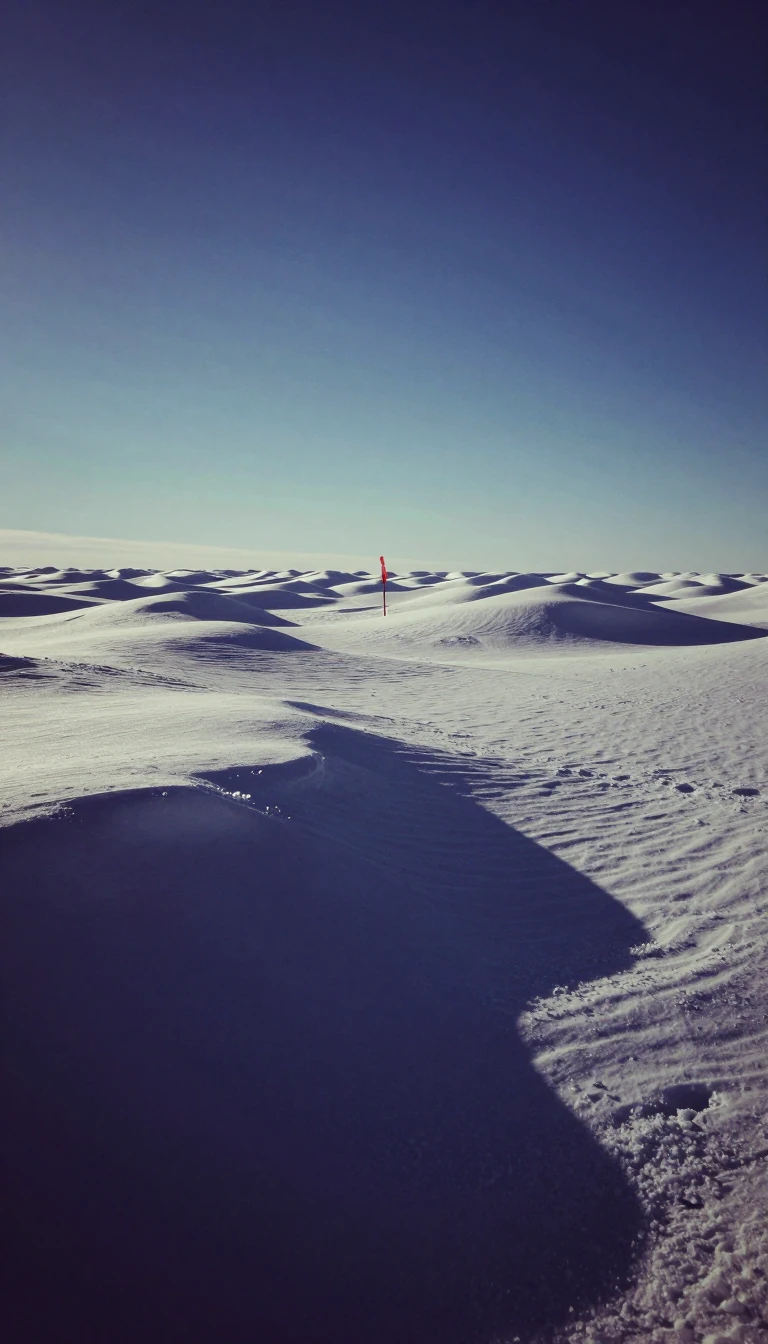
In short: Alert, Nunavut, holds the title of the northernmost continuously inhabited place on Earth. But if you check the census, the permanent population is zero. It is a high-stakes outpost where everyone is a temporary resident, serving as a front line for global intelligence and climate science.
Located on Ellesmere Island at 82°30'05" north, Alert is situated just 817 km from the North Pole. While it is the northernmost inhabited point, it lacks a permanent civilian population. Instead, it functions as a rotating hub for military signals intelligence and atmospheric research. Residents typically serve three- to six-month tours of duty, staffing the Canadian Forces Station Alert (CFS Alert) and the Dr. Neil Trivett Global Atmosphere Watch Observatory.
The site's strategic importance is rooted in geography and Cold War history. Alert is actually closer to Moscow (c. 4,000 km) than it is to the Canadian capital of Ottawa (c. 4,150 km). This proximity made it a vital asset for the 'Five Eyes' intelligence alliance, allowing for the interception of Soviet communications regarding intercontinental ballistic missile (ICBM) tests and military deployments. The Canadian government established the site as part of the Joint Arctic Weather Stations (JAWS) project in the late 1940s to extend sovereignty and provide essential weather data for polar expeditions.
Life at the edge is defined by extreme isolation and logistical difficulty. Because heavy ice in the Lincoln Sea prevents regular icebreaker access, all supplies are parachuted in or flown in via the Royal Canadian Air Force. This vulnerability has led to tragic accidents, including a 1950 RCAF Lancaster crash that killed nine crew members and a 1991 Lockheed C-130 crash that killed four passengers. Despite these hazards, Alert remains a cornerstone of Arctic science and a symbol of Canadian northern presence.
The station has evolved significantly since its first personnel arrived on April 9, 1950. It transitioned from a purely weather-focused outpost to a sophisticated communications hub, eventually integrating women into all roles by 1983. Today, it stands as a unique hybrid of a scientific laboratory, a military fortress, and a transient home for those working at the top of the world.
Opens the Intellect+ feed with this card first. Swipe up for the next one.
Sources
- Summary by Intellect · source: Alert, Nunavut
- Also: Alert
To cite this card, link to https://intellectplus.co.uk/app/places-alert-nunavut.
How we source, check and correct cards: Editorial standards.
General information, not professional advice. Spotted an error? Flag the card or see corrections and complaints.
Intellect Plus is a visual educational discovery platform for exploring fascinating facts and ideas. Brain Food, Not Brain Rot. What is Intellect Plus?
Related
More in Bodies of water · More in Countries & Cities · Latest · A–Z · All topics
