Known as Little Tibet, this high-altitude region holds the world's largest mountain clusters.
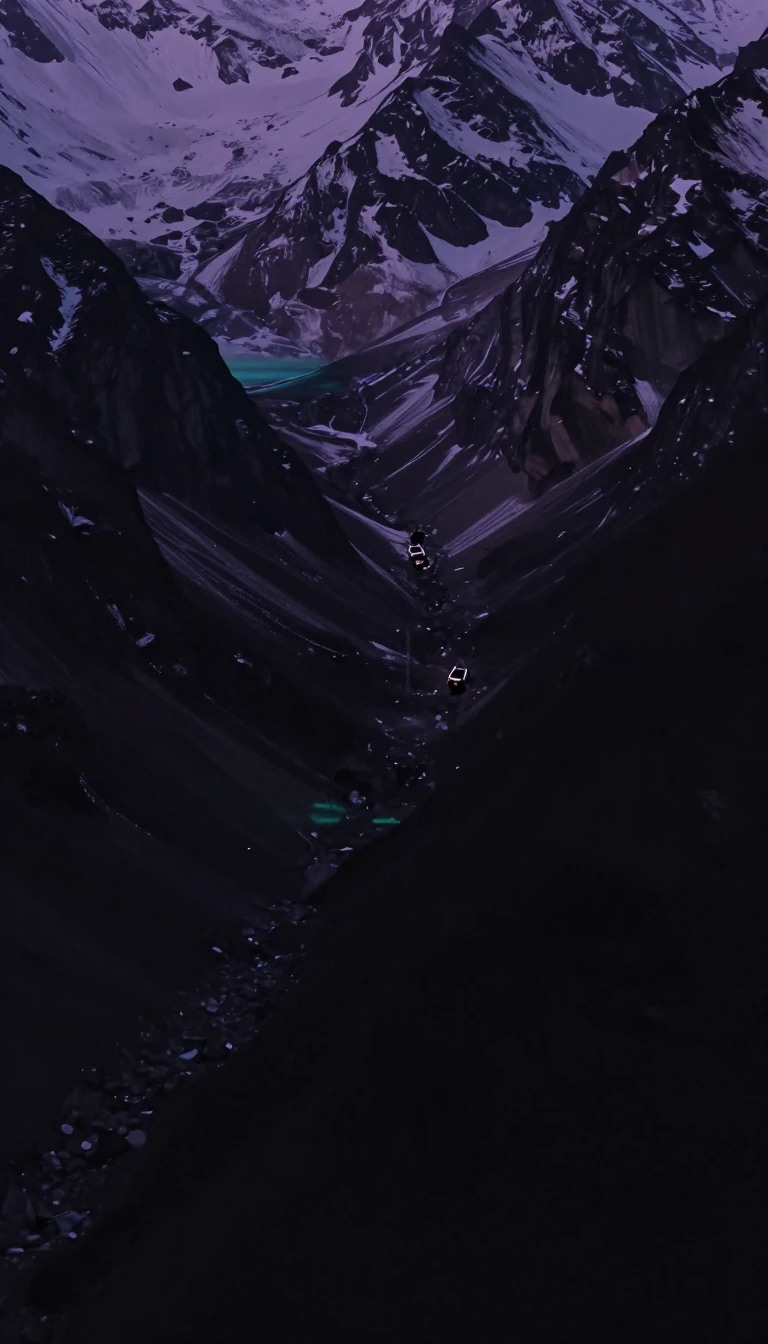
In short: Nestled between the Karakoram and Himalayan ranges, Baltistan is a rugged, mountainous territory with a history as deep as its valleys. Once a collection of independent kingdoms, this land of the Balti people has been shaped by centuries of Tibetan influence, Mughal diplomacy, and complex territorial disputes.
Baltistan, often called Baltiyul by its inhabitants, sits at an average elevation exceeding 3,350 meters. Its landscape is defined by massive glaciers, including the 56-kilometer-long Baltoro, and it hosts over 20 peaks surpassing 6,100 meters, such as K2. This rocky wilderness serves as a vital junction where the Indus River flows between the Karakoram and Himalayan ranges, creating fertile valleys that have supported human settlement since prehistoric times.
The region's cultural identity is a synthesis of its ancient roots and shifting political tides. Originally influenced by Tibetan Buddhism and Bön traditions, the population largely transitioned to Islam between the 14th and 17th centuries, primarily through the efforts of Sufi missionaries. Historically, the area was governed by the Maqpon dynasty, which reached its zenith under Ali Sher Khan Anchan in the late 16th and early 17th centuries. His reign saw the expansion of the kingdom into Gilgit, Chitral, and Ladakh, alongside the introduction of polo—a game whose name is believed to originate from the Balti word for the ball used in play.
Since the 1947 partition of British India, Baltistan has been central to the geopolitical friction between India and Pakistan. Formerly part of the princely state of Jammu and Kashmir, the region was integrated into Pakistan following the 1947–1948 conflict. Today, it functions as an autonomous division within Gilgit-Baltistan. The area remains a site of strategic significance, marked by historical flashpoints like the Siachen and Kargil conflicts, yet it continues to preserve its unique architectural heritage, including ancient Buddhist rock reliefs and Mughal-influenced forts.
The modern population of approximately 582,619 people reflects a diverse heritage, with Tibetan and Dardic influences visible across different valleys. While the region is now administratively divided, the shared history of its valleys—from the fertile plains of Skardu to the high-altitude reaches of Khaplu—remains a testament to a culture that has thrived in one of the world's most challenging environments for centuries.
Opens the Intellect+ feed with this card first. Swipe up for the next one.
Sources
- Summary by Intellect · source: Baltistan
- Also: Wikidata — Baltistan · CC0
To cite this card, link to https://intellectplus.co.uk/app/places-baltistan.
How we source, check and correct cards: Editorial standards.
General information, not professional advice. Spotted an error? Flag the card or see corrections and complaints.
Intellect Plus is a visual educational discovery platform for exploring fascinating facts and ideas. Brain Food, Not Brain Rot. What is Intellect Plus?
Related
More in Bodies of water · More in Countries & Cities · Latest · A–Z · All topics
