How a series of storms and a clever naval trap shaped the Persian invasion
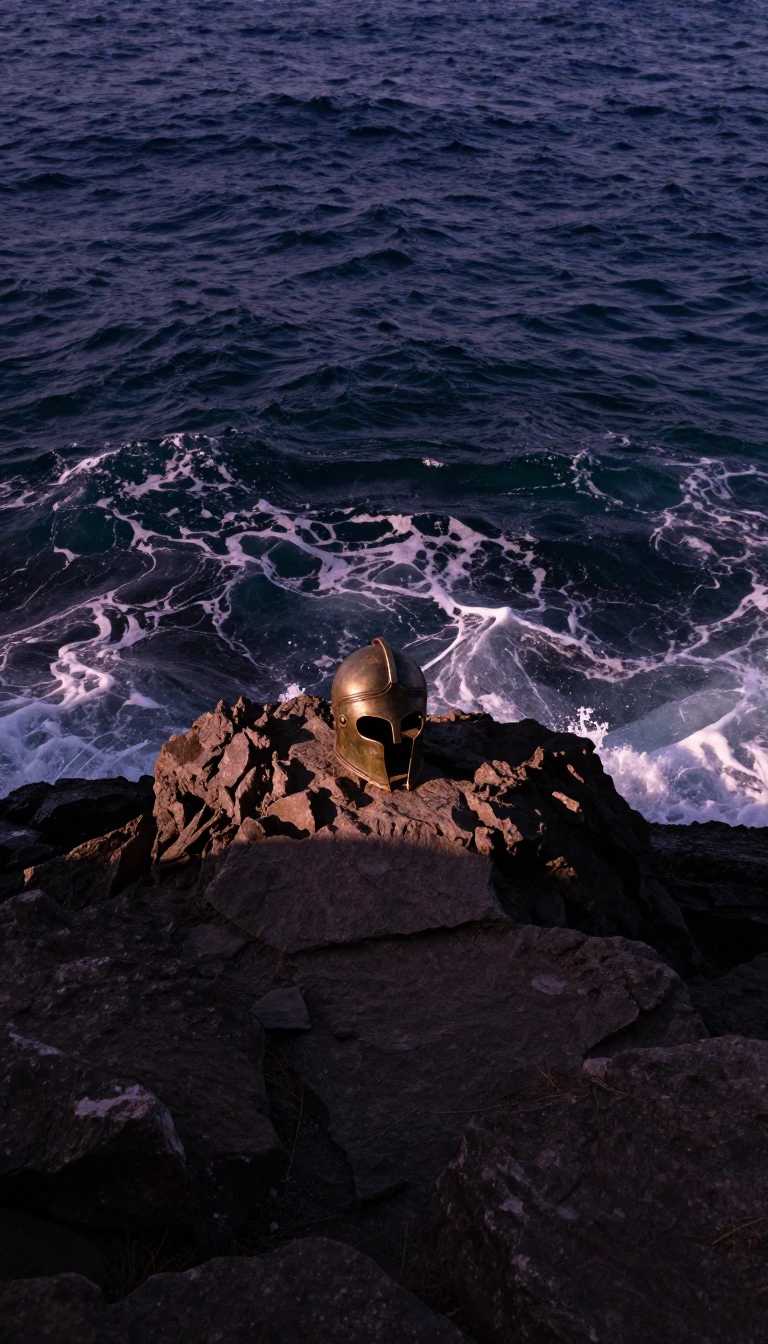
In short: In 480 BC, a Greek alliance faced a massive Persian fleet at the Straits of Artemisium. While the Greeks were heavily outnumbered, they utilized narrow waters and tactical formations to hold their ground. The battle, fought alongside the famous land engagement at Thermopylae, became a pivotal moment in the war.
The Battle of Artemisium was a critical naval campaign during the second Persian invasion of Greece in 480 BC. King Xerxes I had assembled a vast armada to conquer the Greek city-states, prompting an alliance led by Sparta and Athens to adopt a dual-defense strategy. They aimed to block the Persian army at the narrow pass of Thermopylae while simultaneously using their fleet to prevent the Persian navy from outflanking the land forces via the sea.
Nature played a significant role in the conflict. Before the main engagement, a severe gale off the coast of Magnesia destroyed approximately one-third of the 1,200-ship Persian fleet. Later, a detachment of 200 Persian ships sent to trap the Greeks by sailing around Euboea was also wrecked by a storm. Despite these losses, the Persians still maintained a numerical advantage of nearly 3:1. The Greeks, led by the Athenian politician Themistocles, countered this by employing defensive maneuvers—possibly a crescent formation—to negate the Persians' superior seamanship and their tactical use of the diekplous maneuver.
The fighting lasted three days, with both sides suffering heavy losses. On the third day, the Greeks learned of the defeat of the Allied army at Thermopylae. With their strategic objective of holding the pass lost, the fleet withdrew to Salamis. While the Persians subsequently captured and sacked Athens, the Greek fleet later achieved a decisive victory at the Battle of Salamis. This, followed by the victory at the Battle of Plataea in 479 BC, ultimately forced the Persian retreat and ended the invasion.
The historical account of these events relies heavily on Herodotus, though modern scholars debate the exact numbers of ships involved. While some accept the traditional count of 1,207 Persian vessels, others suggest a more conservative estimate of 600. Regardless of the precise figures, the battle remains a testament to the strategic coordination required to unite a disjointed Greek world against an overwhelming imperial force.
Opens the Intellect+ feed with this card first. Swipe up for the next one.
Sources
- Summary by Intellect · source: Battle of Artemisium
- Also: Battle of Artemisium
- Also: Wikidata — Battle of Artemisium · CC0
To cite this card, link to https://intellectplus.co.uk/app/places-battle-of-artemisium.
How we source, check and correct cards: Editorial standards.
General information, not professional advice. Spotted an error? Flag the card or see corrections and complaints.
Intellect Plus is a visual educational discovery platform for exploring fascinating facts and ideas. Brain Food, Not Brain Rot. What is Intellect Plus?
Related
More in Bodies of water · More in Countries & Cities · Latest · A–Z · All topics
