Blenheim Palace: A Monumental War Trophy Built on Political Infighting and Peppercorn Rent
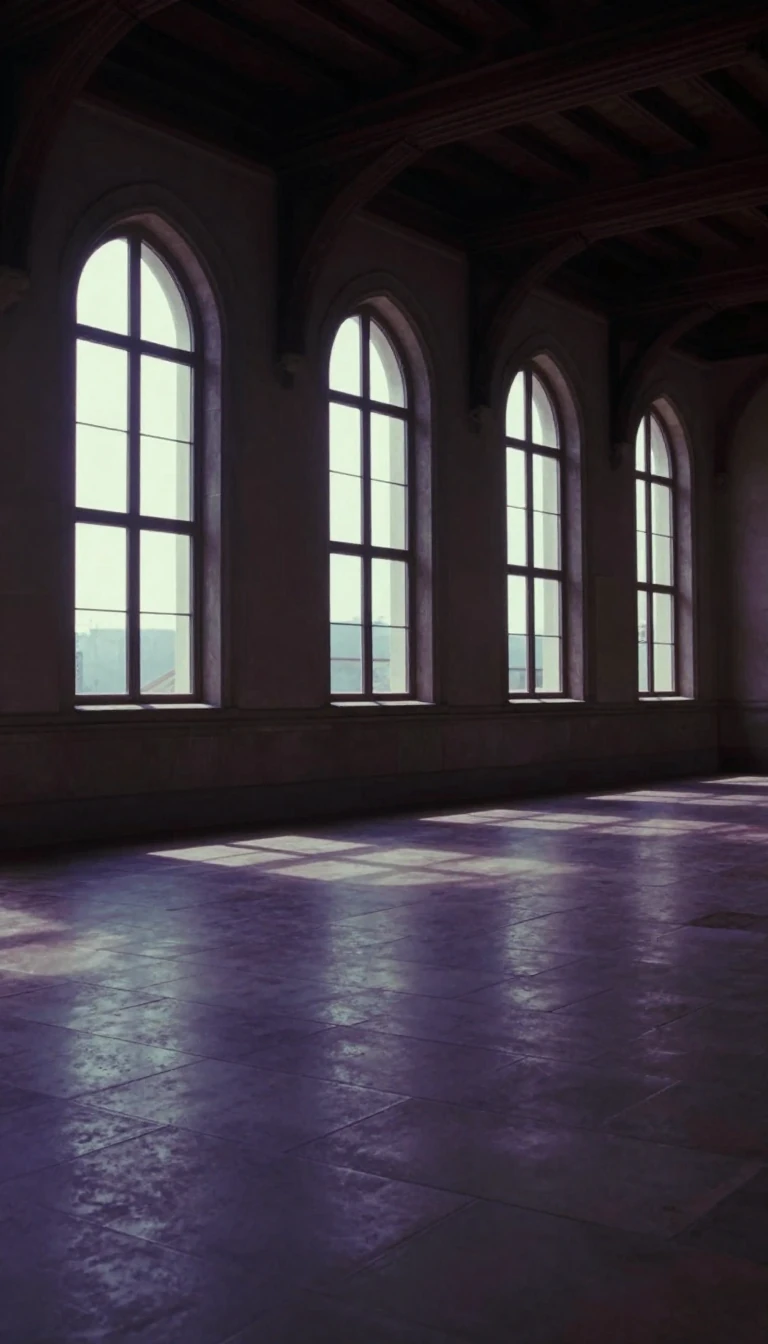
In short: Commissioned as a reward for military triumph, Blenheim Palace is a Baroque masterpiece that nearly ruined its architect. It stands as a unique hybrid of family home, national monument, and mausoleum, where the Duke of Marlborough’s ego was immortalized in stone, despite constant battles over funding and design.
Built between 1705 and 1722, Blenheim Palace was intended as a grand tribute to the 1st Duke of Marlborough following his victory at the 1704 Battle of Blenheim. The project was funded by a combination of the Duke’s own money and parliamentary grants, though the exact nature of the state's financial commitment remained a point of contention. The land itself was a gift from the Crown, requiring a symbolic annual payment of a French royal flag—a literal peppercorn rent—tendered on the anniversary of the battle.
The palace’s design, led by the untrained architect Sir John Vanbrugh, reflects the flamboyant English Baroque style. Vanbrugh envisioned a bastion of power, but his grandiose ambitions frequently clashed with the Duchess of Marlborough, who demanded a comfortable home rather than a cold monument. Their relationship was fraught with conflict, leading to the cessation of state funds in 1712 and Vanbrugh's eventual banishment from the site. The Duchess, known for her thriftiness, later completed the project using lower-cost craftsmen who perfectly mimicked the work of masters like Grinling Gibbons.
The interior layout was strictly defined by 18th-century court etiquette, with state apartments designed to emphasize the Duke’s status. The saloon, intended as the climax of an architectural procession, was meant to throne the Duke beneath an allegorical ceiling depicting his apotheosis. Following his death in 1722, the Duchess transformed the chapel into a mausoleum, housing a gargantuan tomb where they were eventually interred together. Today, the palace remains a Grade I listed site, serving as both a testament to the Duke’s military career and a reminder of the complex, often bitter, domestic and political struggles that defined its creation.
Opens the Intellect+ feed with this card first. Swipe up for the next one.
Sources
- Summary by Intellect · source: Blenheim Palace
- Also: Wikidata — Blenheim Palace · CC0
- Also: Wikidata — Blenheim Palace · CC0
To cite this card, link to https://intellectplus.co.uk/app/places-blenheim-palace.
How we source, check and correct cards: Editorial standards.
General information, not professional advice. Spotted an error? Flag the card or see corrections and complaints.
Intellect Plus is a visual educational discovery platform for exploring fascinating facts and ideas. Brain Food, Not Brain Rot. What is Intellect Plus?
Related
More in World Heritage Sites · More in Countries & Cities · Latest · A–Z · All topics
