Bosra: A Syrian Town Built Upon Centuries of Empires and Shifting Faiths
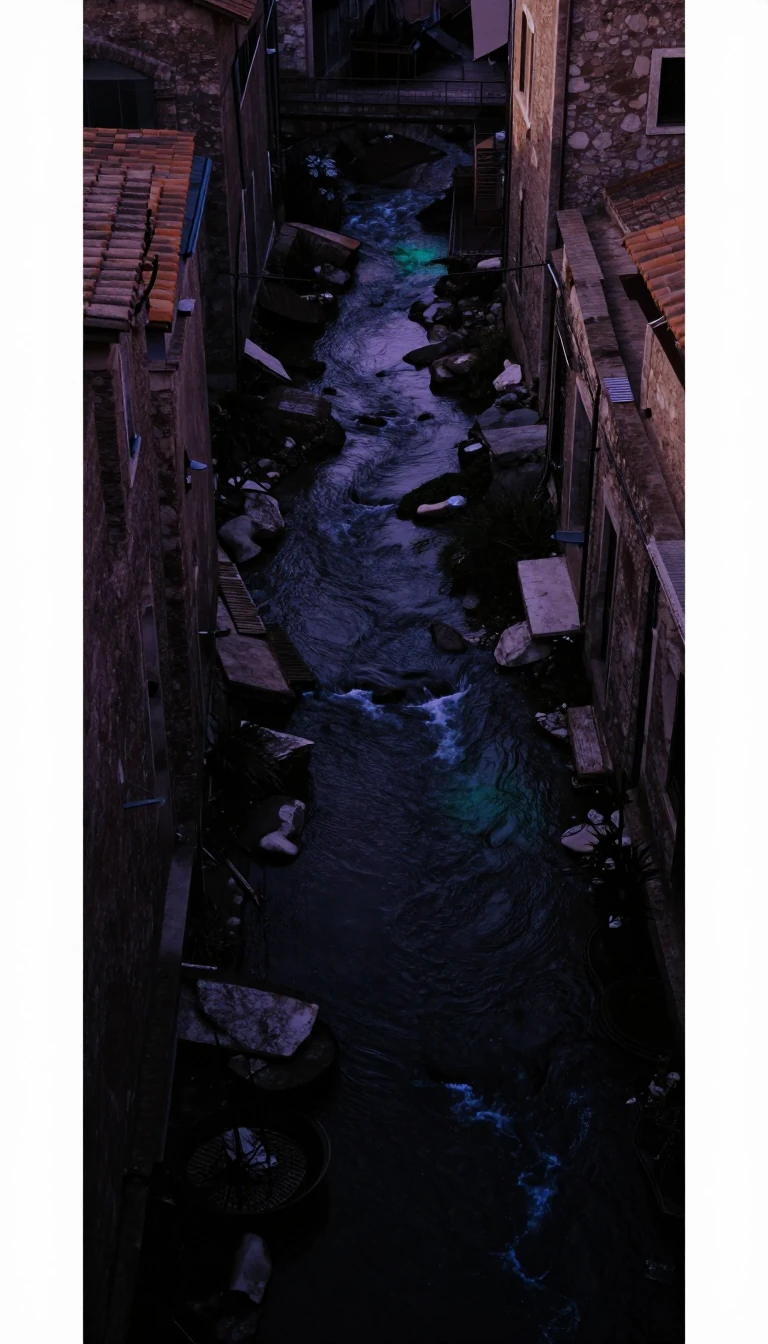
In short: Once a thriving Nabataean capital and Roman metropolis, Bosra stands today as a living archaeological site. From its ancient theatre, later fortified by Ayyubid sultans, to its role as a gateway for Islamic pilgrims, the town reflects a complex history of trade, religious transition, and enduring clan influence.
Bosra’s history stretches back to the 14th century BC, appearing in early Egyptian records. It rose to prominence as the northern capital of the Nabataean kingdom before falling to Roman control in 106 AD under Cornelius Palma. Renamed Nova Trajana Bostra, it became the capital of the province of Arabia Petraea, flourishing as a vital hub on the Via Traiana Nova trade route. By the 6th century, it had become a major Christian center, boasting a large cathedral that influenced architectural styles across the region.
The city’s character shifted significantly after the 634 Battle of Bosra, when Rashidun forces captured it. Under Islamic rule, it served as a strategic southern gateway and a crucial stop for pilgrims traveling to Mecca and Medina. While it declined into a village during the Ottoman era, the 20th century brought renewed interest. Archaeological efforts eventually led to its designation as a UNESCO World Heritage Site, centered on its remarkably preserved 2nd-century Roman theatre, which was later converted into a fortress between 481 and 1231.
Modern Bosra is defined by its social structure and the legacy of its clans. Historian Hanna Batatu noted that traditional clan life, once dominant, has evolved alongside agrarian reforms and increased access to education. The al-Miqdad clan, which arrived in the mid-18th century, has long held significant local influence, occupying key civic and religious roles. Despite the turmoil of the Syrian Civil War, which saw the town change hands multiple times between 2012 and 2018, Bosra remains a site where Roman, Byzantine, and Islamic histories physically overlap, housing everything from ancient colonnades to the historic al-Omari Mosque.
Opens the Intellect+ feed with this card first. Swipe up for the next one.
Sources
- Summary by Intellect · source: Bosra
- Also: Wikidata — Bosra · CC0
To cite this card, link to https://intellectplus.co.uk/app/places-bosra.
How we source, check and correct cards: Editorial standards.
General information, not professional advice. Spotted an error? Flag the card or see corrections and complaints.
Intellect Plus is a visual educational discovery platform for exploring fascinating facts and ideas. Brain Food, Not Brain Rot. What is Intellect Plus?
Related
More in World Heritage Sites · More in Countries & Cities · Latest · A–Z · All topics
