Brest: A border city defined by centuries of shifting empires and violent conflict
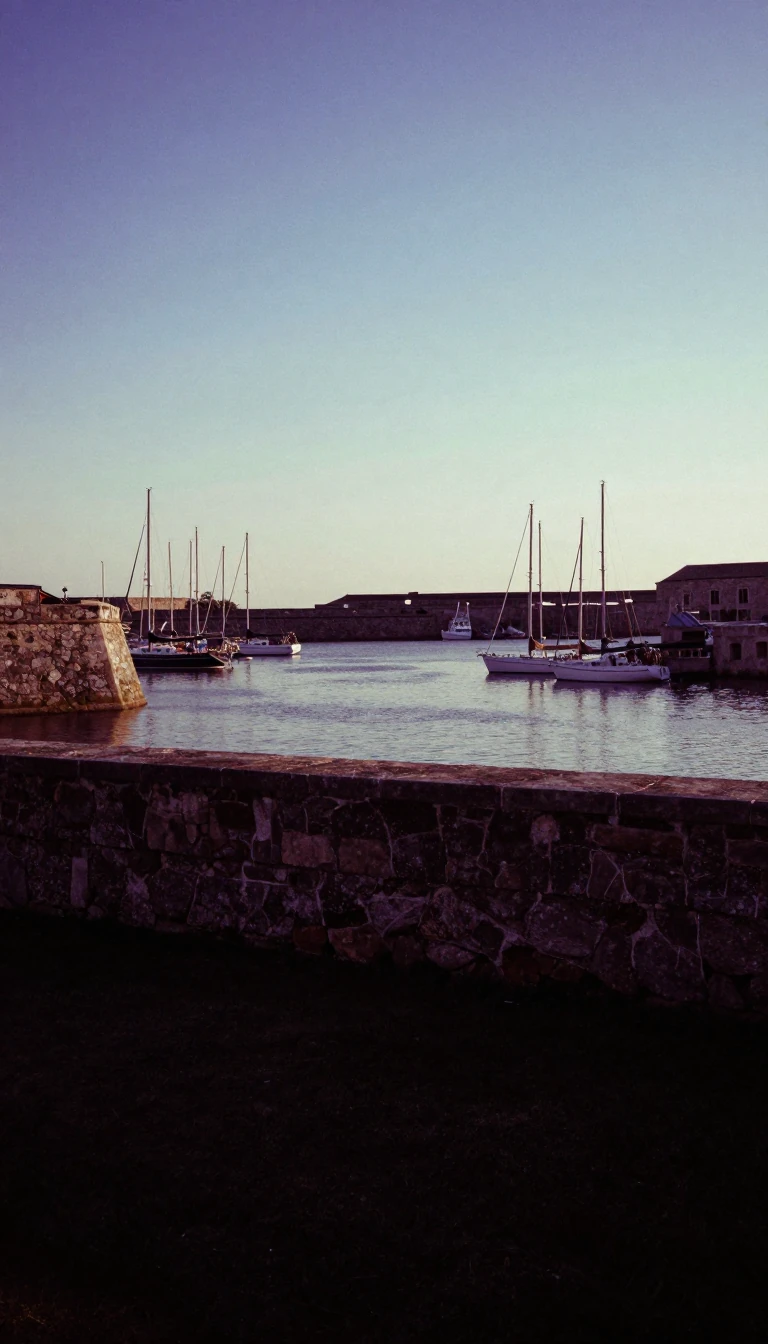
In short: Located at the confluence of the Bug and Mukhavets rivers, Brest has spent centuries as a strategic prize. From the High Middle Ages to the modern era, this Belarusian city has been repeatedly captured, partitioned, and renamed, serving as a crucible for the competing interests of Poland, Lithuania, and Russia.
First mentioned in the Primary Chronicle in 1019, Brest has been a perennial border town. Its history is a record of constant transition, passing between the principalities of Kievan Rus', the Grand Duchy of Lithuania, and the Polish–Lithuanian Commonwealth. By 1569, it was a significant trade hub, and in 1390, it became the first city in what is now Belarus to receive Magdeburg rights. Its cultural importance was equally profound; it was a center of Jewish scholarship, home to the influential Soloveitchik rabbinical family, and the site where the 1596 council established the Uniate Church.
The city's geography—a flat, flood-prone landscape at the border—made it a natural site for military fortification. In the 19th century, the Russian Empire demolished the Old Town to construct the massive Brest Fortress. This site became a focal point of 20th-century trauma. During World War I, the Treaty of Brest-Litovsk was signed there in 1918. In 1939, it was the site of a joint Nazi-Soviet military parade, and in 1941, it was the scene of a desperate, six-day defense against the German invasion of the Soviet Union, later earning it the title of Hero Fortress.
The human cost of these shifts was immense. During the Soviet occupation of 1939–1941, the city housed the largest prison in the Byelorussian SSR, where Polish elites and refugees were held in brutal conditions. Later, the Nazi occupation saw the destruction of the city's Jewish population, with nearly 20,000 people murdered in the Brześć Ghetto. Today, the city serves as a regional administrative center, its history preserved in sites like the Berestye Archeological Museum, which displays 11th-century structures unearthed in the 1970s, and the imposing Soviet-era war memorial that dominates the site of the 1941 battle.
Opens the Intellect+ feed with this card first. Swipe up for the next one.
Sources
- Summary by Intellect · source: Brest, Belarus
To cite this card, link to https://intellectplus.co.uk/app/places-brest-belarus.
How we source, check and correct cards: Editorial standards.
General information, not professional advice. Spotted an error? Flag the card or see corrections and complaints.
Intellect Plus is a visual educational discovery platform for exploring fascinating facts and ideas. Brain Food, Not Brain Rot. What is Intellect Plus?
Related
More in Cities · More in Countries & Cities · Latest · A–Z · All topics
