A remote subantarctic island hosts the world's loneliest tree and a history of extremes.
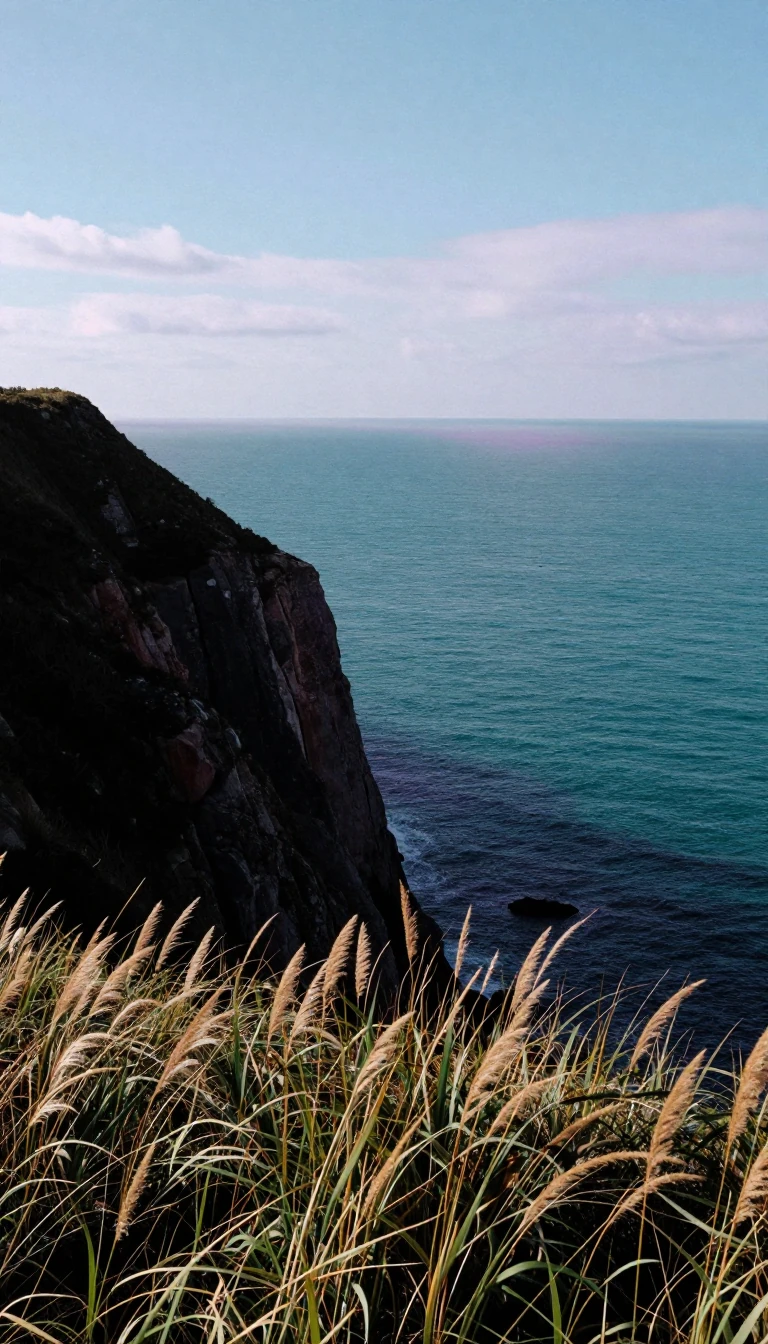
In short: Six hundred sixty kilometers south of New Zealand lies Campbell Island, a rugged volcanic remnant of the submerged continent Zealandia. Once a hub for sealers and sheep farmers, this uninhabited nature reserve now serves as a critical sanctuary for rare seabirds and a site for groundbreaking ecological restoration.
Discovered in 1810 by Captain Frederick Hasselborough, the island was quickly exploited for its seal population, which was nearly wiped out within years. By the late 19th century, the landscape shifted toward pastoralism, with sheep and cattle introduced in 1896. These animals devastated the native vegetation until the lease was abandoned in 1931. Following decades of human presence, including a World War II coastwatching station and a long-running meteorological base, the island underwent a massive transformation. In 2001, conservationists completed the world's largest rat eradication project, allowing native species like the Campbell teal to return to their ancestral home.
The island's climate is notoriously harsh, characterized by frequent clouds, persistent wind, and over 320 days of rain annually. Despite these conditions, it remains a vital breeding ground for the southern royal albatross and various penguin species. It also hosts a solitary Sitka spruce, planted between 1901 and 1907, which is considered the most remote tree on Earth. Some researchers have even proposed using this isolated specimen as a marker for the start of the Anthropocene epoch.
Beyond its biological significance, the island has been the site of remarkable human events. In 1992, a staff member at the weather station survived a great white shark attack, leading to the world's longest single-engine helicopter rescue. More recently, in 2018, a weather buoy near the island recorded a 23.8-metre wave, believed to be the largest ever documented in the Southern Hemisphere. Today, the island remains a protected World Heritage site, visited only by occasional scientific expeditions and eco-tourism cruises.
Opens the Intellect+ feed with this card first. Swipe up for the next one.
Sources
- Summary by Intellect · source: Campbell Island, New Zealand
- Also: Campbell Island | Subantarctic, Wildlife, Nature Reserve | Britannica
- Also: Wikidata — Campbell Island / Motu Ihupuku · CC0
To cite this card, link to https://intellectplus.co.uk/app/places-campbell-island-new-zealand.
How we source, check and correct cards: Editorial standards.
General information, not professional advice. Spotted an error? Flag the card or see corrections and complaints.
Intellect Plus is a visual educational discovery platform for exploring fascinating facts and ideas. Brain Food, Not Brain Rot. What is Intellect Plus?
Related
More in Islands · More in Countries & Cities · Latest · A–Z · All topics
