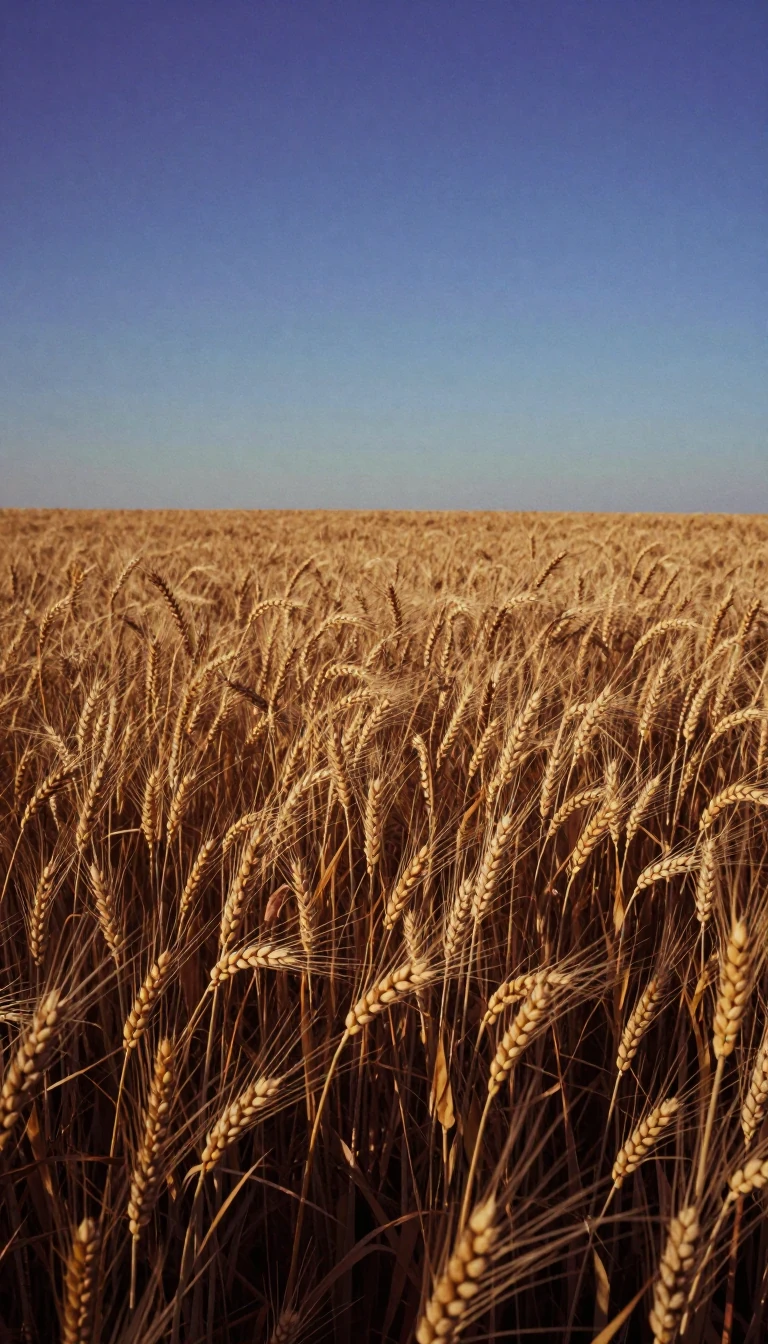
How a single strain of wheat transformed the Canadian Prairies into a global powerhouse
In short: The Canadian Prairies are more than just vast grasslands; they are a complex landscape defined by extreme climates, oil booms, and a unique political identity. Once a frontier for agricultural pioneers, this region evolved through technological innovation to become a critical engine for Canada's economy and a hotbed for radical political movements.
The Canadian Prairies, spanning Alberta, Saskatchewan, and Manitoba, encompass diverse biomes ranging from northern grasslands to boreal forests. While often associated with flat plains, the region’s geography includes the Canadian Shield and the Western Cordillera. Its climate is primarily semi-arid, with the southern regions prone to severe droughts, while the eastern sections in Manitoba benefit from significant freshwater resources. These environmental conditions have historically dictated settlement patterns and economic viability, with areas like Edmonton and Saskatoon emerging as agricultural hubs.
Agriculture was revolutionized in the early 20th century by the introduction of Marquis wheat. By maturing a week earlier than the Red Fife variety, it allowed farmers to harvest before damaging autumn frosts, significantly reducing crop failure. By 1920, this strain dominated the region's hard red spring wheat production, effectively doubling yields in some areas and cementing Canada's status as a premier global grain exporter. This success drew a massive influx of international settlers, creating distinct ethnic block settlements that shaped the region's cultural fabric.
The mid-20th century brought a second economic shift as oil production exploded, particularly in Alberta. This transition moved the region from a strictly agriculture-based economy to one heavily supported by the energy and service sectors. Despite the 2014 global oil market downturn, the extraction of resources like potash, uranium, and oil sands remains vital. This economic evolution has been accompanied by a persistent sense of Western alienation, fueling a history of unique political movements—from the Winnipeg general strike of 1919 to the rise of the Reform Party—that continue to challenge the perceived dominance of Central Canadian elites.
Opens the Intellect+ feed with this card first. Swipe up for the next one.
Sources
- Summary by Intellect · source: Canadian Prairies
- Also: Wikidata — Canadian Prairies · CC0
To cite this card, link to https://intellectplus.co.uk/app/places-canadian-prairies.
How we source, check and correct cards: Editorial standards.
General information, not professional advice. Spotted an error? Flag the card or see corrections and complaints.
Intellect Plus is a visual educational discovery platform for exploring fascinating facts and ideas. Brain Food, Not Brain Rot. What is Intellect Plus?
Related
More in Regions and country subdivisions · More in Countries & Cities · Latest · A–Z · All topics
