Castilla–La Mancha: The Spanish Heartland Where Ancient Traditions Meet Modern Industrial Realities
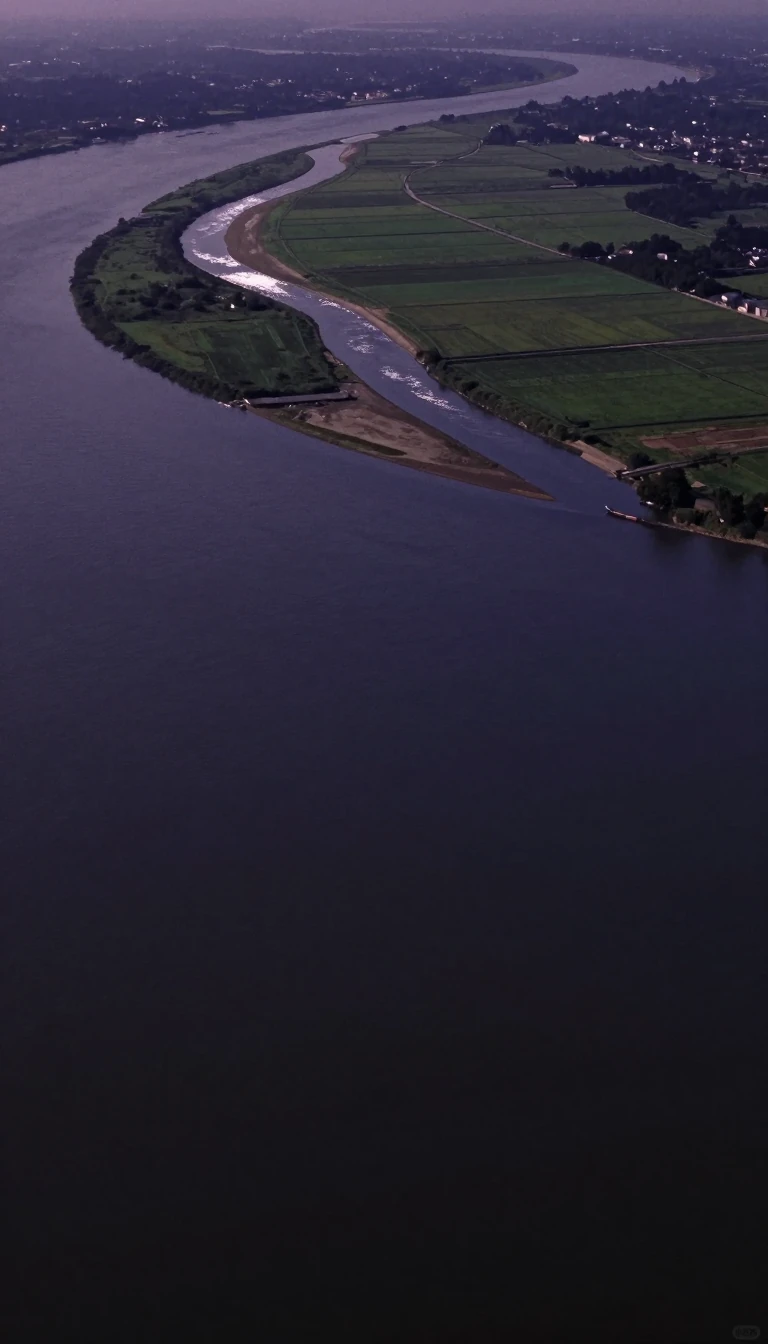
In short: Spanning over 30,000 square miles, this historic Spanish region is defined by its vast plains and rugged mountain borders. While famous for its agricultural heritage and literary connections, the area faces significant demographic shifts as younger generations migrate toward Madrid, leaving behind a landscape of large estates and ancient towns.
Established as an autonomous community on August 10, 1982, Castilla–La Mancha emerged from the historic region of New Castile. It is a land of striking geographical contrasts, bisected by the Toledo Mountains. To the north, the tablelands of La Alcarria are drained by the Tagus River, while the southern plains of La Mancha rely on the Guadiana River. These plains, which extend into the province of Albacete, are framed by the Iberian Cordillera and the Sierra Morena, creating a Mediterranean climate modified by continental influences.
The region’s economy is deeply rooted in agriculture, with dry-farming producing significant quantities of grapes, olives, and barley. Land ownership patterns vary, featuring large estates known as latifundios in La Mancha and smaller holdings, or minifundios, north of the Tagus. While agriculture remains dominant, industrial development is concentrated in Ciudad Real, home to a major petrochemical refinery in Puertollano. Additionally, the region is a significant producer of wine, accounting for about half of Spain's total output, and maintains a long history of ceramic production in Toledo.
Demographically, the region is undergoing a transformation. Emigration to the national capital, Madrid, has significantly impacted the population, particularly in the mountainous zones of Cuenca and Guadalajara. This exodus of young men has contributed to a rising median age and a declining birth rate. Despite these challenges, the region remains a cultural repository, preserving traditions like the Caballada in Atienza, where residents reenact the 1163 rescue of Alfonso VII, and housing the National Museum of Abstract Art in Cuenca.
Opens the Intellect+ feed with this card first. Swipe up for the next one.
Sources
- Summary by Intellect · source: Castile–La Mancha | Spain, Map, & Facts | Britannica
- Also: Castilla–La Mancha
To cite this card, link to https://intellectplus.co.uk/app/places-castilla-la-mancha.
How we source, check and correct cards: Editorial standards.
General information, not professional advice. Spotted an error? Flag the card or see corrections and complaints.
Intellect Plus is a visual educational discovery platform for exploring fascinating facts and ideas. Brain Food, Not Brain Rot. What is Intellect Plus?
Related
More in Regions and country subdivisions · More in Countries & Cities · Latest · A–Z · All topics
